Low Fat Thai Milk Tea
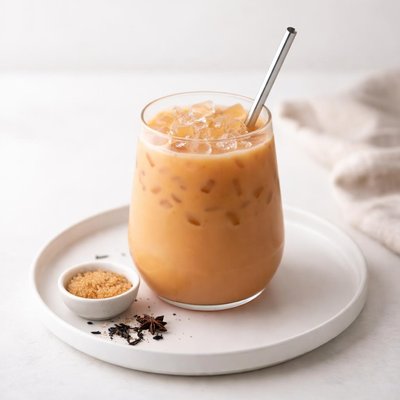
Indulge in a guilt-free version of a beloved classic with this Low Fat Thai Milk Tea recipe, perfect for refreshing your taste buds while keeping it light. This aromatic beverage combines robust black tea leaves, a hint of exotic spices like cardamom and cinnamon, and a touch of vanilla extract for an enticing depth of flavor. Infused with low-fat sweetened condensed milk and your choice of low-fat or almond milk, it offers a creamy texture without the heavy calories. Crafted in under 15 minutes and served over ice, this Thai-inspired iced tea is a delightfully smooth and refreshing drink that’s ideal for any occasion. Make this low-fat version your go-to summer treat or add it to your tea repertoire for a healthier twist on tradition!

Smart Nutrition Tracking with SnapCalorie



Recipe Information
Ingredients
- 3 teaspoons black tea leaves (preferably Ceylon or Assam)
- 1.5 cups water
- 0.25 teaspoons ground cardamom
- 0.25 teaspoons ground cinnamon
- 0.5 teaspoons vanilla extract
- 2 tablespoons low-fat sweetened condensed milk
- 0.5 cups low-fat milk (or unsweetened almond milk)
- 1 cup ice cubes
Instructions
In a saucepan, bring the water to a boil over medium heat.
Add the black tea leaves, ground cardamom, and ground cinnamon to the boiling water. Stir and let it simmer for 3-5 minutes to allow the flavors to infuse.
Remove the saucepan from heat and stir in the vanilla extract. Let the tea sit for 2 minutes to enhance the flavor.
Strain the tea through a fine-mesh strainer into a heat-safe container to remove the tea leaves and spices.
In a cup, combine the strained tea with the low-fat sweetened condensed milk. Stir until fully dissolved and well mixed.
Add the low-fat milk (or almond milk) and mix thoroughly to create a creamy, smooth tea base.
Fill a serving glass or cup with ice cubes, then pour the prepared tea over the ice.
Stir gently and serve immediately. Enjoy your refreshing low-fat Thai milk tea!
Nutrition Facts
Calories |
153 | ||
|---|---|---|---|
% Daily Value* |
|||
| Total Fat | 3.0 g | 4% | |
| Saturated Fat | 2.3 g | 11% | |
| Polyunsaturated Fat | 0.0 g | ||
| Cholesterol | 10 mg | 3% | |
| Sodium | 111 mg | 5% | |
| Total Carbohydrate | 22.6 g | 8% | |
| Dietary Fiber | 0.8 g | 3% | |
| Total Sugars | 18.1 g | ||
| Protein | 6.0 g | 12% | |
| Vitamin D | 1.5 mcg | 8% | |
| Calcium | 281 mg | 22% | |
| Iron | 0.0 mg | 0% | |
| Potassium | 332 mg | 7% | |
*The % Daily Value tells you how much a nutrient in a serving of food contributes to a daily diet. 2,000 calories a day is used for general nutrition advice.


