Low Fat Red Pepper Hummus
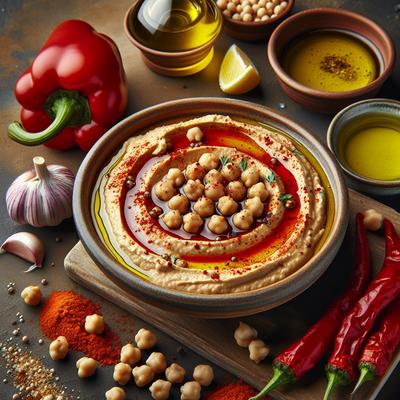
Creamy, flavorful, and guilt-free, this Low Fat Red Pepper Hummus is a vibrant twist on the classic dip that’s perfect for health-conscious snackers. Bursting with the smoky sweetness of roasted red peppers and accented by a touch of cumin and lemon, this recipe delivers bold flavor with a silky-smooth texture. Made with simple ingredients like protein-packed chickpeas, tahini, and garlic, this hummus comes together in just 10 minutes. It’s naturally low in fat yet rich in nutrients, making it the ideal companion to fresh vegetable sticks, crispy whole-grain crackers, or warm pita bread. Quick to prepare and versatile for any occasion, this homemade hummus is a wholesome, vegan-friendly snack that you’ll want to make again and again.

Smart Nutrition Tracking with SnapCalorie

Recipe Information
Ingredients
- 400 g chickpeas (canned, drained, and rinsed)
- 150 g roasted red peppers (jarred or homemade, drained)
- 2 tbsp tahini
- 2 tbsp fresh lemon juice
- 1 garlic (clove, minced)
- 0.5 tsp ground cumin
- 0.25 tsp smoked paprika (optional, for garnish)
- 0.5 tsp salt
- 2 tbsp cold water
Instructions
Drain and rinse the canned chickpeas thoroughly under cold water to reduce excess sodium.
Add the chickpeas, roasted red peppers, tahini, lemon juice, minced garlic, ground cumin, and salt to a food processor or high-speed blender.
Blend the mixture on high speed until smooth, stopping occasionally to scrape down the sides of the bowl.
While blending, gradually add the cold water, one tablespoon at a time, to achieve a creamy and smooth consistency.
Taste and adjust the seasoning, adding more salt, lemon juice, or cumin as desired.
Spoon the hummus into a serving bowl, and if desired, sprinkle with smoked paprika for added flavor and visual appeal.
Serve immediately with fresh vegetables, whole-grain crackers, or warm pita bread, or store in an airtight container in the refrigerator for up to 5 days.
Nutrition Facts
Calories |
153 | ||
|---|---|---|---|
% Daily Value* |
|||
| Total Fat | 4.9 g | 6% | |
| Saturated Fat | 0.6 g | 3% | |
| Polyunsaturated Fat | 0.0 g | ||
| Cholesterol | 0 mg | 0% | |
| Sodium | 331 mg | 14% | |
| Total Carbohydrate | 21.1 g | 8% | |
| Dietary Fiber | 6.1 g | 22% | |
| Total Sugars | 4.5 g | ||
| Protein | 7.3 g | 15% | |
| Vitamin D | 0.0 mcg | 0% | |
| Calcium | 424 mg | 33% | |
| Iron | 1787.9 mg | 9933% | |
| Potassium | 279 mg | 6% | |
*The % Daily Value tells you how much a nutrient in a serving of food contributes to a daily diet. 2,000 calories a day is used for general nutrition advice.


