Low Fat Garlic Mayo Sauce

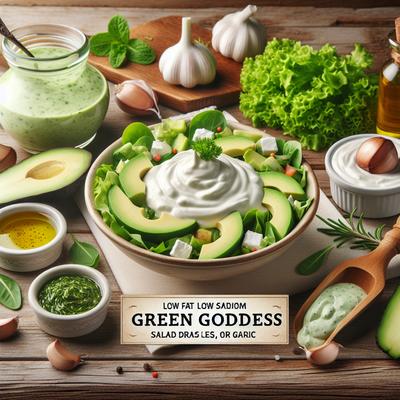
Creamy, tangy, and packed with zesty garlic flavor, this Low Fat Garlic Mayo Sauce is the ultimate guilt-free condiment you've been searching for! Made with just a handful of simple ingredients like low-fat mayonnaise, fresh garlic, lemon juice, and a hint of Dijon mustard, this quick and easy recipe comes together in just 10 minutes. Fresh parsley adds a pop of color and brightness, while a touch of salt and pepper brings all the flavors into perfect balance. Whether you're using it as a sandwich spread, a veggie dip, or a light salad dressing, this versatile sauce is a delicious way to elevate any dish while keeping things light and healthy. Perfect for meal preps or last-minute meals, this low-fat garlic mayo will quickly become a staple in your fridge!

Get More Healthy Recipes with SnapCalorie




Recipe Information
Ingredients
- 1 cup Low-fat mayonnaise
- 2 cloves Garlic cloves, minced
- 1 tablespoon Lemon juice
- 1 teaspoon Dijon mustard
- 0.25 teaspoon Salt
- 0.125 teaspoon Black pepper, freshly ground
- 1 tablespoon Fresh parsley, chopped
Instructions
In a medium-sized bowl, combine the low-fat mayonnaise, minced garlic, lemon juice, and Dijon mustard.
Stir the mixture well to ensure the garlic and mustard are evenly distributed throughout the mayonnaise.
Add the salt and freshly ground black pepper. Stir again to combine.
Fold in the chopped fresh parsley, ensuring even distribution throughout the sauce.
Taste the sauce and adjust the seasoning with more salt or lemon juice if necessary.
Transfer the sauce to a serving dish or an airtight container.
Refrigerate the sauce for at least 30 minutes to allow the flavors to meld together. This step is optional but recommended.
Serve the low-fat garlic mayo sauce as a condiment with your favorite sandwiches, as a dip, or use as a dressing for salads.
Nutrition Facts
Calories |
624 | ||
|---|---|---|---|
% Daily Value* |
|||
| Total Fat | 56.6 g | 73% | |
| Saturated Fat | 8.6 g | 43% | |
| Polyunsaturated Fat | 32.5 g | ||
| Cholesterol | 40 mg | 13% | |
| Sodium | 2672 mg | 116% | |
| Total Carbohydrate | 27.5 g | 10% | |
| Dietary Fiber | 0.5 g | 2% | |
| Total Sugars | 9.5 g | ||
| Protein | 1.7 g | 3% | |
| Vitamin D | 0.0 mcg | 0% | |
| Calcium | 36 mg | 3% | |
| Iron | 1.0 mg | 6% | |
| Potassium | 203 mg | 4% | |
*The % Daily Value tells you how much a nutrient in a serving of food contributes to a daily diet. 2,000 calories a day is used for general nutrition advice.


