Lemon Dill Hummus
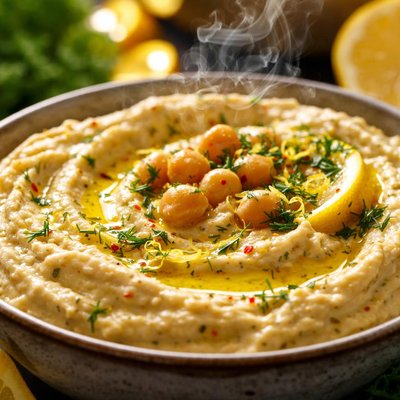
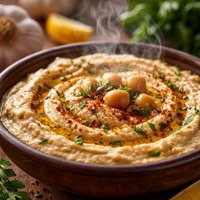
Brighten up your snack game with this flavorful Lemon Dill Hummus, a zesty twist on the classic Mediterranean dip! Creamy chickpeas are blended to perfection with tahini, fresh lemon juice, and a hint of garlic, while fragrant dill adds a fresh, herbaceous note that's truly irresistible. Enhanced with a touch of ground cumin and garnished with vibrant lemon zest and sprigs of dill, this quick and easy hummus recipe comes together in just 10 minutes. It's a versatile, plant-based option perfect for pairing with pita bread, veggies, or crackers. Whether you're meal prepping or entertaining, this lemon dill hummus is sure to impress with its light, tangy, and refreshing flavor profile.

Smart Nutrition Tracking with SnapCalorie

Explore More
Recipe Information
Ingredients
- 15 ounces canned chickpeas (garbanzo beans), drained and rinsed
- 3 tablespoons tahini
- 3 tablespoons fresh lemon juice
- 2 tablespoons olive oil
- 2 tablespoons fresh dill, chopped
- 1 clove garlic, peeled
- 0.5 teaspoons ground cumin
- 0.5 teaspoons salt
- 2 tablespoons water (optional, for consistency)
- 1 teaspoon lemon zest (optional, for garnish)
- 2 sprigs dill sprigs (optional, for garnish)
Instructions
1. Add the drained and rinsed chickpeas, tahini, fresh lemon juice, olive oil, fresh dill, garlic clove, ground cumin, and salt to a high-powered blender or food processor.
2. Blend the mixture on low, then increase to high speed until smooth. Pause intermittently to scrape down the sides of the blender or food processor as needed.
3. If the hummus is too thick, add water one tablespoon at a time while blending to reach your desired consistency.
4. Once blended to a smooth, creamy texture, taste the hummus and adjust seasoning as needed (e.g., more salt, lemon juice, or dill).
5. Transfer the hummus to a serving bowl and garnish with a sprinkle of lemon zest and a few sprigs of fresh dill, if desired.
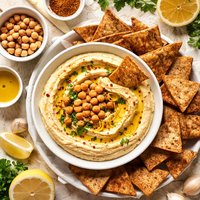
6. Serve immediately with pita bread, fresh vegetables, or crackers. Alternatively, store in the refrigerator in an airtight container for up to 5 days.
Nutrition Facts
Calories |
160 | ||
|---|---|---|---|
% Daily Value* |
|||
| Total Fat | 10.2 g | 13% | |
| Saturated Fat | 1.6 g | 8% | |
| Polyunsaturated Fat | 0.0 g | ||
| Cholesterol | 0 mg | 0% | |
| Sodium | 301 mg | 13% | |
| Total Carbohydrate | 13.0 g | 5% | |
| Dietary Fiber | 3.6 g | 13% | |
| Total Sugars | 1.4 g | ||
| Protein | 5.0 g | 10% | |
| Vitamin D | 0.0 mcg | 0% | |
| Calcium | 606 mg | 47% | |
| Iron | 2679.8 mg | 14888% | |
| Potassium | 163 mg | 3% | |
*The % Daily Value tells you how much a nutrient in a serving of food contributes to a daily diet. 2,000 calories a day is used for general nutrition advice.


