Homemade Failsafe Margarine

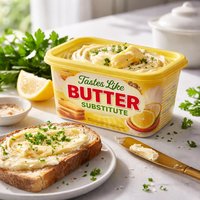
Create your own creamy, dairy-free spread with this quick and easy recipe for Homemade Failsafe Margarine—perfect for those seeking a natural, allergy-friendly alternative. This recipe combines refined coconut oil and canola oil for a smooth, buttery texture, while a hint of salt enhances its flavor. Optional lecithin granules can be included for extra emulsification, ensuring a perfectly creamy consistency. With just a blender and 10 minutes of prep, this versatile margarine is ideal for spreading on toast, baking, or cooking. Made without preservatives, it stays fresh in the fridge for up to two weeks, offering a wholesome, homemade solution to store-bought spreads. Whether you're catering to dietary restrictions or simply love DIY cooking, this recipe is a must-try for your kitchen!

Smart Nutrition Tracking with SnapCalorie

Explore More



Recipe Information
Ingredients
- 200 grams Refined coconut oil
- 50 milliliters Canola oil
- 3 tablespoons Chilled water
- 1 teaspoon Lecithin granules (optional)
- 1 pinch Salt
Instructions
In a small microwave-safe bowl, gently melt the refined coconut oil until it is fully liquified. Take caution not to overheat—it should just reach its liquid state.
Pour the melted coconut oil into a blender or food processor.
Add the canola oil, chilled water, lecithin granules (if using), and a pinch of salt into the blender with the coconut oil.
Blend the mixture on high speed for about 1-2 minutes, or until the ingredients are thoroughly emulsified and the texture is smooth and creamy.
Transfer the mixture into an airtight container and place it in the refrigerator for at least 4 hours to firm up.
Once set, the margarine can be used just like store-bought versions. Keep refrigerated and consume within 2 weeks.
Nutrition Facts
Calories |
115 | ||
|---|---|---|---|
% Daily Value* |
|||
| Total Fat | 12.4 g | 16% | |
| Saturated Fat | 8.7 g | 44% | |
| Polyunsaturated Fat | 0.6 g | ||
| Cholesterol | 0 mg | 0% | |
| Sodium | 8 mg | 0% | |
| Total Carbohydrate | 0.0 g | 0% | |
| Dietary Fiber | 0.0 g | 0% | |
| Total Sugars | 0.0 g | ||
| Protein | 0.0 g | 0% | |
| Vitamin D | 0.0 mcg | 0% | |
| Calcium | 0 mg | 0% | |
| Iron | 0.0 mg | 0% | |
| Potassium | 1 mg | 0% | |
*The % Daily Value tells you how much a nutrient in a serving of food contributes to a daily diet. 2,000 calories a day is used for general nutrition advice.


