Homemade Blackberry Wine
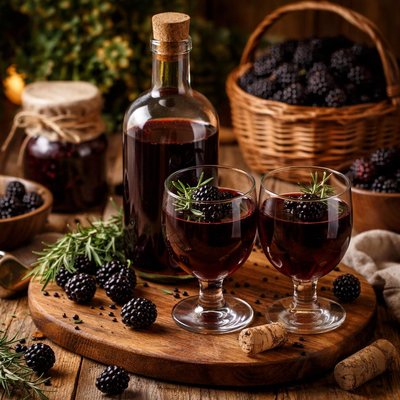
Capture the rich, tart sweetness of summer with this homemade blackberry wine recipe, perfect for wine enthusiasts and DIY drink makers alike. Bursting with the natural flavor of fresh blackberries, this small-batch wine blends juicy fruit with granulated sugar, wine yeast, and a touch of expert-level enhancements like acid blend and pectic enzyme to ensure clarity and depth. Designed for beginners and experienced vintners, this step-by-step process guides you from fermenting to bottling, with tips on aging for a perfectly balanced sip. With just a few simple ingredients and a bit of patience, you’ll create a stunning blackberry wine that’s ideal for sipping, pairing with cheeses, or gifting. Whether you’re exploring home winemaking for the first time or mastering your skills, this blackberry wine is sure to delight your palate.

Smart Nutrition Tracking with SnapCalorie

Recipe Information
Ingredients
- 2.5 pounds fresh blackberries
- 2.25 pounds granulated sugar
- 1 gallon water
- 1 packet wine yeast (such as Lalvin EC-1118)
- 1 teaspoon yeast nutrient
- 1 teaspoon acid blend
- 0.5 teaspoon pectic enzyme
- 1 crushed campden tablet
Instructions
Thoroughly wash the blackberries and remove any leaves, stems, or debris.
In a large, sanitized fermentation bucket, mash the blackberries using a clean potato masher or your hands.
In a separate pot, heat 1 gallon of water until warm but not boiling (about 120°F/50°C). Stir in the granulated sugar until completely dissolved.
Pour the sugar-water mixture over the mashed blackberries in the fermentation bucket.
Add the acid blend, pectic enzyme, and yeast nutrient to the mixture. Stir well to combine.
Crush 1 Campden tablet and stir it into the mixture. This will help sanitize the must and prevent unwanted bacteria or wild yeast growth. Cover the bucket with a clean towel or lid and let it sit for 24 hours.
After 24 hours, sprinkle the wine yeast over the surface of the must. Do not stir. Cover the bucket again and place it in a cool, dark location where it can ferment undisturbed.
Stir the must gently but thoroughly every day for the next 5 to 7 days. During this time, fermentation will begin, and you’ll notice bubbling and a strong fruity aroma.
After the initial fermentation period, strain the liquid through a fine mesh strainer or cheesecloth into a sanitized glass carboy or secondary fermentation vessel. Make sure to leave any solids behind.
Attach an airlock to the carboy to allow gases to escape while preventing oxygen from entering. Let the wine ferment in a cool, dark location for approximately 4 to 6 weeks or until bubbling ceases completely.
Once fermentation stops, siphon the wine into a clean, sanitized carboy to separate it from the sediment at the bottom. Reattach the airlock and allow the wine to age for another 2 to 3 months.
Taste the wine occasionally, and once you’re satisfied with its flavor, siphon it into sanitized bottles. Seal the bottles with corks and age for an additional 3 to 12 months for the best flavor.
Enjoy your homemade blackberry wine responsibly!
Nutrition Facts
Calories |
921 | ||
|---|---|---|---|
% Daily Value* |
|||
| Total Fat | 1.2 g | 2% | |
| Saturated Fat | 0.0 g | 0% | |
| Polyunsaturated Fat | 0.0 g | ||
| Cholesterol | 0 mg | 0% | |
| Sodium | 37 mg | 2% | |
| Total Carbohydrate | 226.3 g | 82% | |
| Dietary Fiber | 11.9 g | 43% | |
| Total Sugars | 215.6 g | ||
| Protein | 3.6 g | 7% | |
| Vitamin D | 0.0 mcg | 0% | |
| Calcium | 143 mg | 11% | |
| Iron | 1.2 mg | 7% | |
| Potassium | 383 mg | 8% | |
*The % Daily Value tells you how much a nutrient in a serving of food contributes to a daily diet. 2,000 calories a day is used for general nutrition advice.


