Frozen Fruit Cups
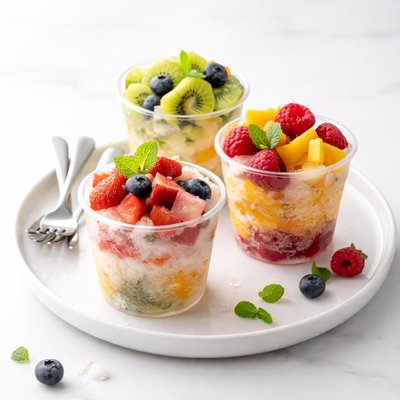
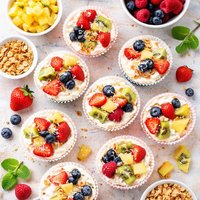
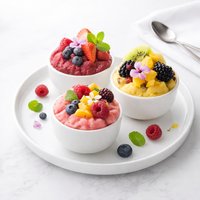
Cool off with these vibrant and refreshing Frozen Fruit Cups, a simple, healthy treat perfect for hot days or an on-the-go snack. Bursting with the natural sweetness of mixed frozen fruits like strawberries, blueberries, pineapple, and mango, this recipe combines creamy vanilla yogurt, tangy orange juice, and a touch of crushed pineapple in its own juice for a zesty twist. Add a drizzle of honey if you'd like a little extra sweetness! This no-bake recipe requires just 10 minutes of prep and uses mini muffin liners or small cups for easy portioning. Freeze for a few hours, and you’ll have delicious, grab-and-go frozen snacks that are equally loved by kids and adults. Perfect for summer picnics, school lunches, or just a guilt-free dessert, these Frozen Fruit Cups highlight convenience, flavor, and nutrition all in one bite.

Smart Nutrition Tracking with SnapCalorie


Recipe Information
Ingredients
- 4 cups Mixed frozen fruits (e.g., strawberries, blueberries, pineapple, mango)
- 1 cup Crushed pineapple (with juice, canned)
- 1 cup Vanilla yogurt
- 0.5 cup Orange juice
- 2 tablespoons Honey (optional, for extra sweetness)
- 12 pieces Mini muffin liners or small disposable cups
Instructions
In a large mixing bowl, combine the frozen fruits, crushed pineapple (with its juice), vanilla yogurt, and orange juice.
If desired, add honey for extra sweetness and gently fold it into the mixture.
Place mini muffin liners or small disposable cups on a tray that fits into your freezer.
Spoon the fruit mixture evenly into each liner or cup, filling them about 3/4 of the way full.
Place the tray in the freezer and freeze for at least 4 hours, or until the fruit cups are completely frozen.
Once frozen, transfer the fruit cups to a sealed freezer-safe container or bag for longer storage, if necessary.
Remove from the freezer a few minutes before serving to allow them to soften slightly for easier enjoyment.
Nutrition Facts
Calories |
80 | ||
|---|---|---|---|
% Daily Value* |
|||
| Total Fat | 0.5 g | 1% | |
| Saturated Fat | 0.3 g | 1% | |
| Polyunsaturated Fat | 0.0 g | ||
| Cholesterol | 1 mg | 0% | |
| Sodium | 12 mg | 1% | |
| Total Carbohydrate | 18.5 g | 7% | |
| Dietary Fiber | 1.6 g | 6% | |
| Total Sugars | 16.1 g | ||
| Protein | 1.3 g | 3% | |
| Vitamin D | 0.3 mcg | 1% | |
| Calcium | 35 mg | 3% | |
| Iron | 0.3 mg | 1% | |
| Potassium | 170 mg | 4% | |
*The % Daily Value tells you how much a nutrient in a serving of food contributes to a daily diet. 2,000 calories a day is used for general nutrition advice.


