Dutch Mayonnaise

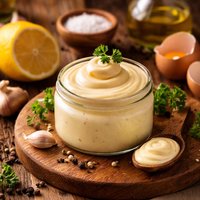
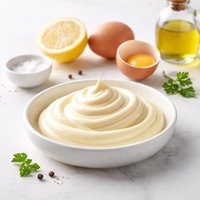
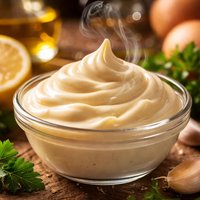
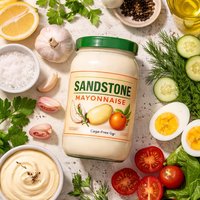
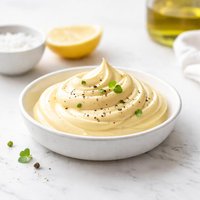
Elevate your condiments game with this quick and easy recipe for homemade Dutch Mayonnaise! This velvety, creamy mayonnaise features a subtle tang from Dijon mustard, white vinegar, and lemon juice, balanced perfectly with a touch of powdered sugar. Made with just eight simple ingredients, including egg yolks, neutral oil, and a pinch of white pepper for depth, this recipe comes together in just 10 minutes—no cooking required. The key to its flawless texture is the gradual emulsification process, resulting in a smooth and luscious spread that's leagues ahead of store-bought options. Perfect as a classic dip for crispy fries, a flavorful sandwich spread, or a light salad dressing, this Dutch-inspired condiment will quickly become a staple in your kitchen.

Smart Nutrition Tracking with SnapCalorie


Recipe Information
Ingredients
- 2 large Egg yolks
- 2 teaspoons Dijon mustard
- 1 tablespoon White vinegar
- 1 tablespoon Lemon juice
- 250 milliliters Neutral oil (e.g., sunflower or canola oil)
- 1 teaspoon Powdered sugar
- 0.5 teaspoons Salt
- 0.25 teaspoons White pepper
Instructions
Place the egg yolks, Dijon mustard, white vinegar, and lemon juice in a medium-sized mixing bowl. Whisk thoroughly to combine.
Gradually start adding the oil in a very thin, steady stream while continuously whisking. This step is crucial to emulsify the mixture and create a creamy mayonnaise.
Keep adding the oil slowly while whisking until the mixture thickens and reaches a smooth, velvety consistency.
Stir in the powdered sugar, salt, and white pepper, adjusting the seasoning to your taste. Mix well to fully integrate the flavors.
Transfer the Dutch Mayonnaise to an airtight container and refrigerate for at least 30 minutes before serving to allow the flavors to meld together.
Enjoy your homemade Dutch Mayonnaise as a dip for fries, a sandwich spread, or a dressing for salads.
Nutrition Facts
Calories |
286 | ||
|---|---|---|---|
% Daily Value* |
|||
| Total Fat | 32.6 g | 42% | |
| Saturated Fat | 2.6 g | 13% | |
| Polyunsaturated Fat | 0.0 g | ||
| Cholesterol | 46 mg | 15% | |
| Sodium | 152 mg | 7% | |
| Total Carbohydrate | 0.7 g | 0% | |
| Dietary Fiber | 0.0 g | 0% | |
| Total Sugars | 0.4 g | ||
| Protein | 0.7 g | 1% | |
| Vitamin D | 0.1 mcg | 1% | |
| Calcium | 6 mg | 0% | |
| Iron | 0.1 mg | 1% | |
| Potassium | 8 mg | 0% | |
*The % Daily Value tells you how much a nutrient in a serving of food contributes to a daily diet. 2,000 calories a day is used for general nutrition advice.


