Diy Fresh Yogurt
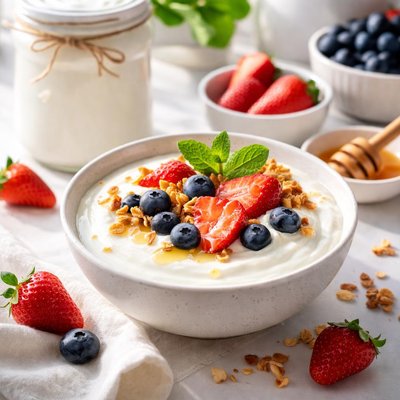
Discover the simplicity and satisfaction of making DIY Fresh Yogurt at home with just two basic ingredients: milk and plain yogurt with live cultures. This foolproof recipe guides you through the process of heating, cooling, and fermenting to create creamy, tangy yogurt from scratch. With only 10 minutes of hands-on preparation, you'll unlock the magic of homemade yogurt, free from additives and brimming with probiotics. Perfect as a wholesome standalone snack or a versatile base for breakfast parfaits, smoothies, or savory dips, this recipe allows you to customize texture and tanginess to your liking. Whether you're a seasoned home cook or a kitchen beginner, you'll love the satisfying rewards of crafting your own fresh yogurt.

Smart Nutrition Tracking with SnapCalorie

Explore More


Recipe Information
Ingredients
- 4 cups Milk (whole or 2%)
- 2 tablespoons Plain yogurt with live cultures
Instructions
1. Heat the milk: Pour the milk into a medium-sized saucepan and heat it over medium heat until it reaches 180°F (82°C). Stir occasionally to prevent it from scorching at the bottom. If you don’t have a thermometer, heat the milk until it begins to steam and small bubbles form around the edges of the pan. Do not let it boil.
2. Cool the milk: Remove the saucepan from the heat and let the milk cool down to 110°F (43°C). If you don’t have a thermometer, the milk should feel warm but not hot to the touch.
3. Prepare the starter: In a small bowl, mix the plain yogurt with live cultures until smooth and set aside.
4. Combine the milk and starter: Once the milk has cooled to the correct temperature, whisk in the prepared yogurt starter until fully incorporated. This introduces live cultures to the milk and kicks off the fermentation process.
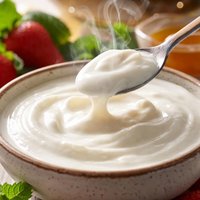
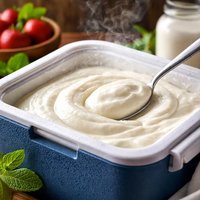
5. Incubate the yogurt: Transfer the milk and yogurt mixture to a clean bowl or container. Cover it with a lid or plastic wrap and keep it in a warm, draft-free location for 6 to 12 hours, depending on how tangy you like your yogurt. You can also use an oven with the light on, a yogurt maker, or a warm spot in your kitchen.
6. Check for doneness: After the incubation period, check your yogurt to see if it has thickened. If it’s not as thick as you prefer, you can let it sit for an additional 1 to 2 hours.
7. Chill the yogurt: Once the yogurt has reached your desired tanginess and consistency, transfer it to the refrigerator to chill for at least 2 hours. Chilling also helps it set further.
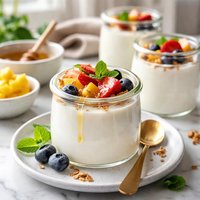
8. Serve and store: Serve your fresh yogurt plain or with your favorite toppings like honey, fruit, or granola. Store any leftovers in an airtight container in the refrigerator for up to 1 week.
Nutrition Facts
Calories |
127 | ||
|---|---|---|---|
% Daily Value* |
|||
| Total Fat | 5.0 g | 6% | |
| Saturated Fat | 3.3 g | 16% | |
| Polyunsaturated Fat | 0.0 g | ||
| Cholesterol | 21 mg | 7% | |
| Sodium | 101 mg | 4% | |
| Total Carbohydrate | 12.6 g | 5% | |
| Dietary Fiber | 0.0 g | 0% | |
| Total Sugars | 12.3 g | ||
| Protein | 8.3 g | 17% | |
| Vitamin D | 2.5 mcg | 13% | |
| Calcium | 302 mg | 23% | |
| Iron | 0.0 mg | 0% | |
| Potassium | 378 mg | 8% | |
*The % Daily Value tells you how much a nutrient in a serving of food contributes to a daily diet. 2,000 calories a day is used for general nutrition advice.


