Diabetic Iced French Vanilla Whipaccinno
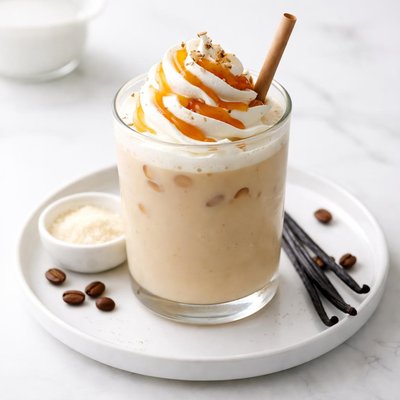
Indulge in the creamy, frothy delight of the **Diabetic Iced French Vanilla Whipaccinno**, a guilt-free twist on a café favorite tailored for low-carb and diabetic-friendly lifestyles. This refreshing beverage features the rich flavors of French vanilla coffee blended with unsweetened almond milk, velvety heavy cream, and a hint of sugar-free vanilla syrup for a flawless balance of sweetness. Topped with a dollop of sugar-free whipped cream and a sprinkle of cinnamon, it’s both decadent and health-conscious. Ready in just 5 minutes, this recipe transforms simple ingredients into a luxurious, frothy masterpiece perfect for summer mornings or midday pick-me-ups. Treat yourself without compromising your diet with this low-carb iced coffee drink that’s as delicious as it is effortless to make!

Smart Nutrition Tracking with SnapCalorie





Recipe Information
Ingredients
- 1 cup Brewed coffee (French vanilla flavored or regular coffee with French vanilla extract)
- 0.5 cup Unsweetened almond milk (or any low-carb milk alternative)
- 2 tablespoons Heavy cream
- 1 tablespoon Sugar-free vanilla syrup
- 1 teaspoon Granular sugar substitute (like erythritol, stevia, or monk fruit sweetener)
- 1 cup Ice cubes
- 2 tablespoons Whipped cream (sugar-free, optional for garnish)
- 0.25 teaspoon Ground cinnamon (optional, for garnish)
Instructions
Brew 1 cup of coffee. If using regular coffee, add 1/8 teaspoon of French vanilla extract to the hot coffee and stir well. Allow it to cool for a few minutes.
In a blender, combine the cooled coffee, unsweetened almond milk, heavy cream, sugar-free vanilla syrup, granular sugar substitute, and ice cubes.
Blend the mixture for 30-60 seconds until smooth and frothy.
Taste and adjust sweetness if necessary by adding a small amount of additional sweetener.
Pour the blended coffee mixture into a tall glass.
Top with 2 tablespoons of sugar-free whipped cream, if desired.
Optionally, sprinkle a pinch of ground cinnamon on top for added flavor and presentation.
Serve immediately with a straw or long spoon to enjoy your diabetic-friendly iced French vanilla Whipaccinno.
Nutrition Facts
Calories |
143 | ||
|---|---|---|---|
% Daily Value* |
|||
| Total Fat | 13.9 g | 18% | |
| Saturated Fat | 7.3 g | 36% | |
| Polyunsaturated Fat | 0.0 g | ||
| Cholesterol | 38 mg | 13% | |
| Sodium | 105 mg | 5% | |
| Total Carbohydrate | 6.6 g | 2% | |
| Dietary Fiber | 0.7 g | 2% | |
| Total Sugars | 0.0 g | ||
| Protein | 1.3 g | 3% | |
| Vitamin D | 1.4 mcg | 7% | |
| Calcium | 245 mg | 19% | |
| Iron | 0.7 mg | 4% | |
| Potassium | 147 mg | 3% | |
*The % Daily Value tells you how much a nutrient in a serving of food contributes to a daily diet. 2,000 calories a day is used for general nutrition advice.


