Coleslaw No Mayo
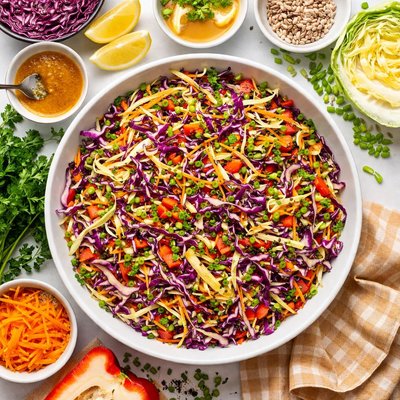
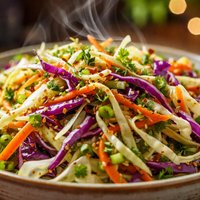
Fresh, vibrant, and effortlessly light, this "Coleslaw No Mayo" recipe is the perfect healthier alternative to traditional creamy coleslaw. Featuring a crisp mix of green cabbage, red cabbage, and sweet carrots, this mayo-free coleslaw is tossed in a zesty dressing made with apple cider vinegar, olive oil, honey, and Dijon mustard. Ready in just 15 minutes, it's an easy and guilt-free side dish that pairs beautifully with grilled meats, sandwiches, or barbecue fare. Whether you're seeking a dairy-free, vegan-friendly option or simply want something lighter, this tangy, crunchy coleslaw is sure to impress. Perfect for picnics, potlucks, or a refreshing everyday side, this recipe delivers big on flavor and freshness without the heaviness of mayo.

Smart Nutrition Tracking with SnapCalorie

Explore More
Recipe Information
Ingredients
- 6 cups Green cabbage
- 1 cup Carrots
- 1 cup Red cabbage
- 3 tablespoons Apple cider vinegar
- 2 tablespoons Olive oil
- 1 tablespoon Honey
- 1 teaspoon Dijon mustard
- 0.5 teaspoon Salt
- 0.25 teaspoon Black pepper
Instructions
Thinly shred the green cabbage and red cabbage using a sharp knife, mandoline, or food processor. Place them in a large mixing bowl.
Peel and grate the carrots. Add the grated carrots to the bowl with the cabbage.
In a small bowl, whisk together the apple cider vinegar, olive oil, honey, Dijon mustard, salt, and black pepper until the dressing is well combined and emulsified.
Pour the dressing over the cabbage and carrot mixture. Using clean hands or tongs, toss everything together until the vegetables are evenly coated with the dressing.
Taste the coleslaw and adjust seasoning with additional salt or pepper, if needed.
Cover and refrigerate the coleslaw for at least 30 minutes to allow the flavors to meld. Serve chilled.
Nutrition Facts
Calories |
94 | ||
|---|---|---|---|
% Daily Value* |
|||
| Total Fat | 4.8 g | 6% | |
| Saturated Fat | 0.6 g | 3% | |
| Polyunsaturated Fat | 0.0 g | ||
| Cholesterol | 0 mg | 0% | |
| Sodium | 220 mg | 10% | |
| Total Carbohydrate | 12.6 g | 5% | |
| Dietary Fiber | 3.4 g | 12% | |
| Total Sugars | 7.8 g | ||
| Protein | 1.7 g | 3% | |
| Vitamin D | 0.0 mcg | 0% | |
| Calcium | 63 mg | 5% | |
| Iron | 0.9 mg | 5% | |
| Potassium | 315 mg | 7% | |
*The % Daily Value tells you how much a nutrient in a serving of food contributes to a daily diet. 2,000 calories a day is used for general nutrition advice.


