Ciabatta a Old Italian Bread
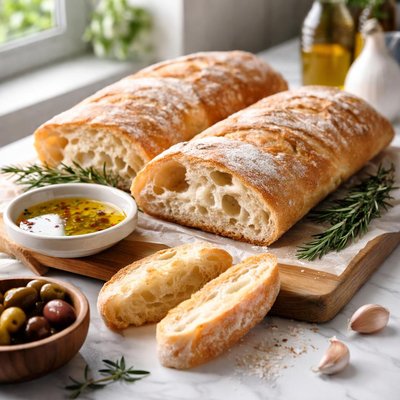
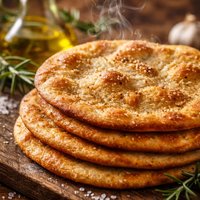
Transport your kitchen to the rustic heart of Italy with this authentic Ciabatta, an Old Italian Bread recipe that highlights simplicity and time-honored techniques. With just five pantry staples—flour, water, yeast, salt, and olive oil—this recipe uses a long, slow fermentation process to develop an irresistible depth of flavor and the iconic open, airy crumb. Perfectly crisp on the outside and tender on the inside, this homemade ciabatta is baked with steam to achieve that signature golden crust. Whether you're serving it fresh alongside a hearty soup, dipping it in olive oil, or crafting gourmet sandwiches, this artisan bread will elevate any meal. Embrace the art of slow baking and bring the taste of Italy to your table!
Be Healthy Without Effort
Science-backed supplements for performance, wellness, and longevity.
Optimize your body chemistry naturally

Recipe Information
Ingredients
- 500 grams All-purpose flour
- 375 milliliters Lukewarm water
- 4 grams Active dry yeast
- 10 grams Salt
- 15 milliliters Olive oil
Instructions
In a large mixing bowl, combine the lukewarm water and active dry yeast. Let it sit for 10 minutes until frothy, which indicates the yeast is activated.
Add the olive oil and salt to the yeast mixture and gently stir to combine.
Gradually mix in the flour, a little at a time, until a sticky and soft dough forms. Use a wooden spoon or dough whisk, as this dough will be too sticky to knead by hand.
Cover the bowl with plastic wrap or a damp towel and let the dough rise at room temperature for 12–18 hours. This long fermentation helps develop the bread's flavor and texture.
After the first rise, generously dust a clean work surface with flour. Gently pour the dough onto the surface, being careful not to deflate it too much.
With floured hands or a bench scraper, fold the dough into a rectangle shape. Divide it into two equal pieces, shaping them into rustic, oblong loaves. Handle the dough gently to preserve its airy structure.
Transfer the loaves onto a parchment-lined baking sheet, dust the tops lightly with flour, and cover them loosely with a floured cloth. Let them rise for an additional 1–2 hours until puffy.
Preheat your oven to 220°C (425°F) and place a baking stone or an inverted baking sheet inside to heat as well. Place a shallow pan of water on the bottom rack to create steam during baking, which helps achieve a crispy crust.
Carefully transfer the risen loaves (on the parchment paper) onto the preheated stone or baking sheet. Bake for 20–25 minutes until the loaves are golden brown and sound hollow when tapped on the bottom.
Transfer the baked ciabatta to a wire rack and let cool completely before slicing. Enjoy the bread fresh, dipped in olive oil, or used for sandwiches.
Nutrition Facts
Calories |
1015 | ||
|---|---|---|---|
% Daily Value* |
|||
| Total Fat | 9.5 g | 12% | |
| Saturated Fat | 1.4 g | 7% | |
| Polyunsaturated Fat | 0.0 g | ||
| Cholesterol | 0 mg | 0% | |
| Sodium | 1945 mg | 85% | |
| Total Carbohydrate | 198.9 g | 72% | |
| Dietary Fiber | 7.7 g | 28% | |
| Total Sugars | 0.5 g | ||
| Protein | 27.7 g | 55% | |
| Vitamin D | 0.0 mcg | 0% | |
| Calcium | 33 mg | 3% | |
| Iron | 9.5 mg | 53% | |
| Potassium | 256 mg | 5% | |
*The % Daily Value tells you how much a nutrient in a serving of food contributes to a daily diet. 2,000 calories a day is used for general nutrition advice.



