Chilled Sage Herb Tea

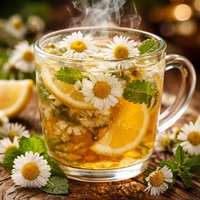
Refresh your senses with this Chilled Sage Herb Tea, a soothing herbal infusion that's perfect for warm days or cozy moments. Crafted with fresh sage leaves, this tea boasts a fragrant, earthy flavor balanced by the natural sweetness of honey and a splash of zesty lemon juice. Light and invigorating, it’s steeped to perfection and chilled for a crisp, refreshing finish. Topped with ice cubes and garnished with vibrant lemon slices, this recipe offers a deliciously unique way to cool off while reaping the calming benefits of sage. Ready in just minutes, this easy-to-make herbal tea is ideal for summer sipping or serving at your next brunch gathering.

Smart Nutrition Tracking with SnapCalorie

Explore More




Recipe Information
Ingredients
- 10 leaves fresh sage leaves
- 4 cups water
- 2 tablespoons honey
- 1 tablespoon lemon juice
- 1 cup ice cubes
- 4 slices lemon slices
Instructions
Rinse the fresh sage leaves under cold water to remove any dirt or debris. Pat them dry with a clean towel.
In a medium-sized saucepan, bring 4 cups of water to a gentle boil.
Once the water begins to boil, add the sage leaves and reduce the heat to low. Let the sage simmer for 5 minutes to infuse the water with its flavor.
Remove the saucepan from heat and allow the tea to cool to room temperature, about 30 minutes.
Strain the tea into a pitcher to remove the sage leaves.
Stir in the honey and lemon juice until fully dissolved, adjusting sweetness to taste.
Refrigerate the tea for at least 1 hour to chill completely.
To serve, fill glasses with ice cubes and pour the chilled sage tea over the ice.
Garnish each glass with a lemon slice and enjoy your refreshing Chilled Sage Herb Tea!
Nutrition Facts
Calories |
42 | ||
|---|---|---|---|
% Daily Value* |
|||
| Total Fat | 0.0 g | 0% | |
| Saturated Fat | 0.0 g | 0% | |
| Polyunsaturated Fat | 0.0 g | ||
| Cholesterol | 0 mg | 0% | |
| Sodium | 12 mg | 1% | |
| Total Carbohydrate | 11.7 g | 4% | |
| Dietary Fiber | 1.4 g | 5% | |
| Total Sugars | 9.7 g | ||
| Protein | 0.3 g | 1% | |
| Vitamin D | 0.0 mcg | 0% | |
| Calcium | 42 mg | 3% | |
| Iron | 0.3 mg | 2% | |
| Potassium | 93 mg | 2% | |
*The % Daily Value tells you how much a nutrient in a serving of food contributes to a daily diet. 2,000 calories a day is used for general nutrition advice.


