Childrens Ditalini Lunch
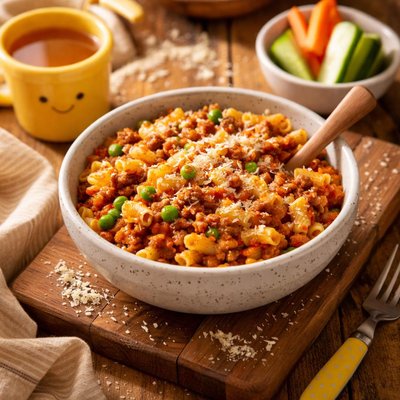
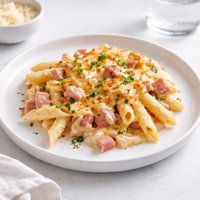
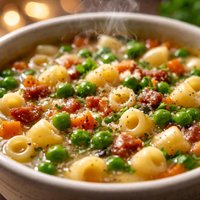
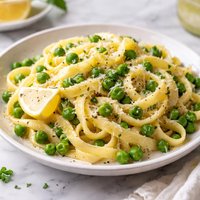
Perfectly crafted for little appetites, Children’s Ditalini Lunch is a quick and wholesome recipe that combines tender ditalini pasta, creamy melted butter, and nutty Parmesan cheese with the vibrant sweetness of peas—all brought together in a velvety sauce. Ready in just 20 minutes, this kid-approved dish is as simple to make as it is comforting, making it an ideal choice for busy weekdays or a fuss-free lunch. Packed with flavor and made with pantry staples, this kid-friendly pasta recipe is perfectly portioned for four and offers the perfect balance of creamy, cheesy goodness and a touch of green for added nutrition. Serve warm for a delightful, comforting meal your little ones (and grown-ups) will adore!
Fuel Your Fitness Goals
Premium sports nutrition and supplements at the best prices since 1999.
Over 25 years of sports nutrition excellence

Recipe Information
Ingredients
- 1.5 cups Ditalini pasta
- 2 tablespoons Butter
- 0.5 cups Grated Parmesan cheese
- 0.75 cups Frozen peas
- 0.25 cups Milk
- 0.5 teaspoons Salt
- 0.25 teaspoons Black pepper
Instructions
Bring a medium-sized pot of salted water to a boil.
Add the ditalini pasta to the boiling water and cook according to package instructions (typically 8-10 minutes or until al dente).
About 2 minutes before the pasta finishes cooking, add the frozen peas to the boiling water with the pasta.
Drain the pasta and peas in a colander, reserving about 1/4 cup of the pasta water.
Return the pot to the stove over low heat, and add the butter. Allow it to melt completely.
Stir in the drained pasta and peas, mixing well to coat with the butter.
Add the grated Parmesan cheese, milk, and reserved pasta water, stirring to create a creamy sauce.
Season with salt and black pepper, adjusting to taste.
Remove the pot from heat and let the dish cool slightly before serving.
Serve warm and enjoy!
Nutrition Facts
Calories |
426 | ||
|---|---|---|---|
% Daily Value* |
|||
| Total Fat | 10.6 g | 14% | |
| Saturated Fat | 6.2 g | 31% | |
| Polyunsaturated Fat | 0.0 g | ||
| Cholesterol | 27 mg | 9% | |
| Sodium | 466 mg | 20% | |
| Total Carbohydrate | 67.9 g | 25% | |
| Dietary Fiber | 4.1 g | 14% | |
| Total Sugars | 4.1 g | ||
| Protein | 16.1 g | 32% | |
| Vitamin D | 0.3 mcg | 1% | |
| Calcium | 154 mg | 12% | |
| Iron | 1.9 mg | 10% | |
| Potassium | 193 mg | 4% | |
*The % Daily Value tells you how much a nutrient in a serving of food contributes to a daily diet. 2,000 calories a day is used for general nutrition advice.



