Chesapeake Bay Classic Crab Cakes
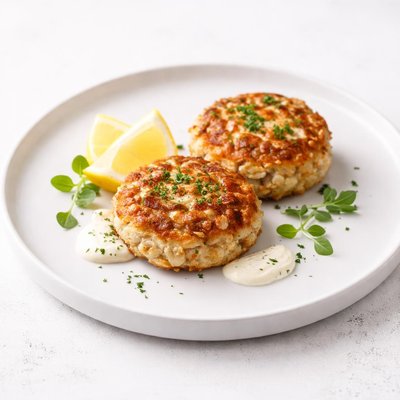
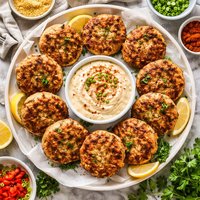
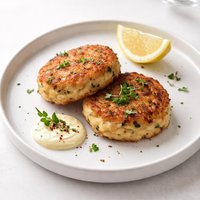
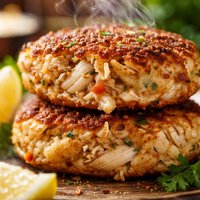
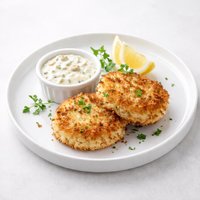
Sink your teeth into the coastal flavors of Chesapeake Bay with these Classic Crab Cakes, a timeless recipe bursting with the rich sweetness of lump crab meat and seasoned to perfection with Old Bay seasoning. Lightly bound together with a touch of breadcrumbs, creamy mayonnaise, Dijon mustard, and a hint of lemon juice, these crab cakes are delicately golden on the outside and tenderly moist inside. Ready in just 30 minutes, this recipe is perfect for an elegant dinner or a casual seafood feast. Serve with zesty tartar sauce, fresh lemon wedges, or a side of coleslaw for a true taste of the East Coast. Whether you're dining al fresco or indoors, these easy-to-make crab cakes are a mouthwatering seafood classic you’ll want to make again and again.
The Toxic-Free Cutting Board
Medical-grade titanium. No microplastics. No bacteria. No compromises.
Recipe Information
Ingredients
- 16 oz Lump crab meat
- 0.5 cup Breadcrumbs
- 0.25 cup Mayonnaise
- 1 tbsp Dijon mustard
- 1 tsp Worcestershire sauce
- 2 tsp Old Bay seasoning
- 1 large Egg
- 2 tbsp Parsley
- 1 tsp Lemon juice
- 3 tbsp Vegetable oil
Instructions
In a large mixing bowl, gently combine the lump crab meat, breadcrumbs, mayonnaise, dijon mustard, Worcestershire sauce, Old Bay seasoning, beaten egg, parsley, and lemon juice. Be careful not to break up the crab meat too much.
Shape the mixture into 8 equal-sized patties, about 1 inch thick. Place them on a baking sheet and refrigerate for at least 30 minutes to help them hold their shape during cooking.
Heat the vegetable oil in a large skillet over medium heat until shimmering.
Carefully place the crab cakes in the skillet and cook for 4-5 minutes on each side, or until they are golden brown and heated through.
Transfer the cooked crab cakes to a plate lined with paper towels to drain any excess oil.
Serve immediately with tartar sauce, lemon wedges, or your choice of side dishes.
Nutrition Facts
Calories |
358 | ||
|---|---|---|---|
% Daily Value* |
|||
| Total Fat | 24.3 g | 31% | |
| Saturated Fat | 3.8 g | 19% | |
| Polyunsaturated Fat | 6.2 g | ||
| Cholesterol | 112 mg | 37% | |
| Sodium | 762 mg | 33% | |
| Total Carbohydrate | 10.8 g | 4% | |
| Dietary Fiber | 0.5 g | 2% | |
| Total Sugars | 1.2 g | ||
| Protein | 23.2 g | 46% | |
| Vitamin D | 0.3 mcg | 1% | |
| Calcium | 102 mg | 8% | |
| Iron | 2.1 mg | 12% | |
| Potassium | 463 mg | 10% | |
*The % Daily Value tells you how much a nutrient in a serving of food contributes to a daily diet. 2,000 calories a day is used for general nutrition advice.



