Caramel Tea
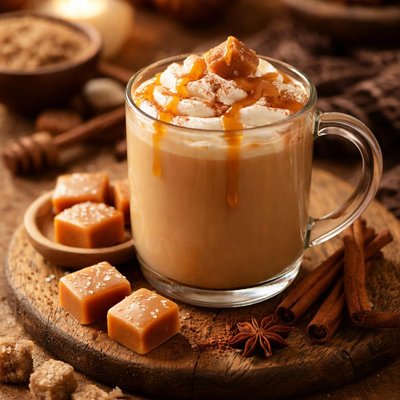
Indulge in the rich, velvety goodness of Caramel Tea, the ultimate cozy beverage that's perfect for any time of day. This decadent recipe combines the bold flavor of black tea with the luxurious sweetness of homemade caramel, creating a harmonious balance of robustness and creaminess. A hint of vanilla and a pinch of salt elevate the drink, enhancing the caramel's complexity for a gourmet touch. Made with everyday pantry ingredients like sugar, milk, and tea leaves, this quick and easy recipe comes together in just 10 minutes, making it a delightful treat even on busy mornings. Serve steaming hot and savor each sip of this smooth, aromatic caramel-infused tea, a blissful twist on classic tea that will keep you coming back for more.

Smart Nutrition Tracking with SnapCalorie

Explore More

Recipe Information
Ingredients
- 2 cups water
- 2 teaspoons black tea leaves (or 2 tea bags)
- 3 tablespoons sugar
- 1 cup milk
- 0.5 teaspoons vanilla extract
- 1 pinch salt
Instructions
In a small saucepan, heat the sugar over medium heat, stirring continuously, until it melts and turns a deep amber caramel color. Be careful not to let it burn.
Slowly and carefully add the milk to the caramel while stirring. The mixture will bubble up, so use caution.
Continue to stir the caramel and milk mixture until the caramel is fully dissolved and the mixture is smooth.
Add the water to the saucepan and bring to a simmer.
Once the liquid is simmering, add the black tea leaves (or tea bags) to the saucepan.
Let the tea steep for 3-4 minutes, depending on your desired tea strength.
Stir in the vanilla extract and a pinch of salt to enhance the caramel flavor.
Strain the tea into cups if using loose tea leaves. Serve hot and enjoy your caramel tea!
Nutrition Facts
Calories |
156 | ||
|---|---|---|---|
% Daily Value* |
|||
| Total Fat | 4.2 g | 5% | |
| Saturated Fat | 2.7 g | 13% | |
| Polyunsaturated Fat | 0.0 g | ||
| Cholesterol | 12 mg | 4% | |
| Sodium | 133 mg | 6% | |
| Total Carbohydrate | 25.7 g | 9% | |
| Dietary Fiber | 0.4 g | 1% | |
| Total Sugars | 25.0 g | ||
| Protein | 4.2 g | 8% | |
| Vitamin D | 1.5 mcg | 8% | |
| Calcium | 165 mg | 13% | |
| Iron | 0.4 mg | 2% | |
| Potassium | 179 mg | 4% | |
*The % Daily Value tells you how much a nutrient in a serving of food contributes to a daily diet. 2,000 calories a day is used for general nutrition advice.


