Caesar Salad No Anchovies No Eggs
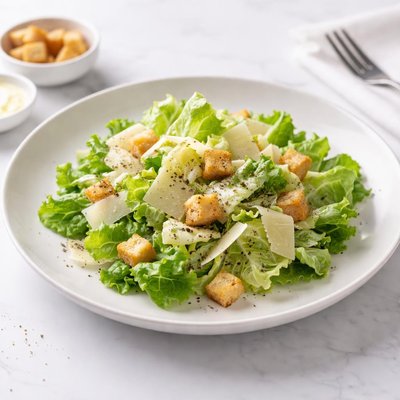
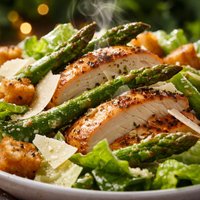
Experience the perfect balance of tangy, creamy, and crunchy in this reinvented *Caesar Salad No Anchovies No Eggs*. This quick and easy recipe skips the traditional anchovies and raw eggs, making it a lighter, allergen-friendly take on the classic. Crisp romaine lettuce is tossed with a zesty homemade dressing crafted from Dijon mustard, freshly squeezed lemon juice, garlic, Worcestershire sauce, and extra virgin olive oil. Grated Parmesan cheese adds a savory depth, while crunchy croutons bring irresistible texture to every bite. Ready in just 15 minutes, this egg-free Caesar salad is a crowd-pleaser that pairs beautifully with any meal or stands alone as a refreshing lunch option. Perfect for those seeking a flavorful, simple, and approachable twist on a salad staple!

Smart Nutrition Tracking with SnapCalorie

Recipe Information
Ingredients
- 2 heads Romaine lettuce
- 1 cup Parmesan cheese (grated)
- 2 cloves Garlic
- 1 tablespoon Dijon mustard
- 3 tablespoons Lemon juice (freshly squeezed)
- 0.33 cup Olive oil (extra virgin)
- 1 teaspoon Worcestershire sauce
- 0.5 teaspoon Salt
- 0.25 teaspoon Black pepper (freshly ground)
- 2 cups Croutons (homemade or store-bought)
Instructions
Wash and dry the romaine lettuce thoroughly. Tear the leaves into bite-sized pieces and set aside in a large salad bowl.
In a small food processor or blender, combine the garlic cloves, Dijon mustard, lemon juice, olive oil, Worcestershire sauce, salt, and black pepper. Blend until smooth and emulsified to create the dressing.
Taste the dressing and adjust seasoning if needed, adding more salt, pepper, or lemon juice to balance the flavors.
Drizzle the dressing over the romaine leaves, starting with half and adding more as needed to coat the leaves lightly and evenly.
Sprinkle the grated Parmesan cheese over the salad, tossing gently to distribute.
Top the salad with croutons for added crunch.
Serve immediately and enjoy your Caesar salad without anchovies or eggs!
Nutrition Facts
Calories |
545 | ||
|---|---|---|---|
% Daily Value* |
|||
| Total Fat | 39.6 g | 51% | |
| Saturated Fat | 14.0 g | 70% | |
| Polyunsaturated Fat | 0.4 g | ||
| Cholesterol | 36 mg | 12% | |
| Sodium | 1445 mg | 63% | |
| Total Carbohydrate | 23.1 g | 8% | |
| Dietary Fiber | 4.5 g | 16% | |
| Total Sugars | 3.7 g | ||
| Protein | 28.5 g | 57% | |
| Vitamin D | 0.6 mcg | 3% | |
| Calcium | 780 mg | 60% | |
| Iron | 3.3 mg | 18% | |
| Potassium | 668 mg | 14% | |
*The % Daily Value tells you how much a nutrient in a serving of food contributes to a daily diet. 2,000 calories a day is used for general nutrition advice.


