Bread Pudding in the Microwave
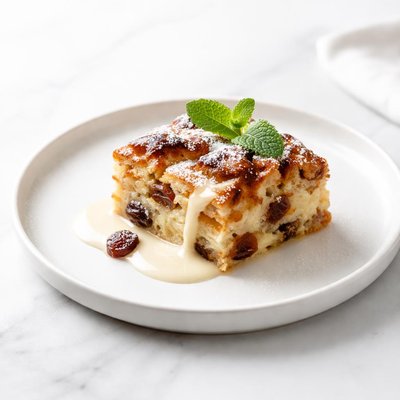
Transform your leftover bread into a cozy, single-serving dessert with this quick and easy Bread Pudding in the Microwave recipe! Perfect for busy days or late-night cravings, this comforting treat comes together in just under 10 minutes using simple pantry staples like day-old bread, milk, egg, sugar, and a hint of vanilla. The addition of optional ingredients like cinnamon, raisins, or chocolate chips allows for a customizable sweetness, while a touch of butter ensures a rich, melt-in-your-mouth texture. Made entirely in the microwave, this recipe eliminates any hassle without sacrificing flavor. Serve it warm straight from the mug or elevate it with a drizzle of caramel or a scoop of ice cream for the ultimate indulgence.

Smart Nutrition Tracking with SnapCalorie




Recipe Information
Ingredients
- 2 slices bread (day-old works best)
- 0.5 cup milk
- 1 large egg
- 2 tablespoons sugar
- 0.5 teaspoon vanilla extract
- 0.25 teaspoon ground cinnamon (optional)
- 1 tablespoon raisins or chocolate chips (optional)
- 1 teaspoon butter
Instructions
Tear the bread slices into small, bite-sized pieces and place them in a microwave-safe mug or bowl.
In a separate bowl, whisk together the milk, egg, sugar, vanilla extract, and ground cinnamon (if using).
Pour the milk mixture over the bread pieces, ensuring they are evenly soaked.
If using raisins or chocolate chips, sprinkle them over the top and gently mix them into the bread mixture.
Dot the top of the pudding with butter for added richness.
Microwave on high power for 2-3 minutes, or until the pudding is set and no liquid remains. (Cooking times may vary depending on your microwave, so check after 2 minutes!)
Carefully remove the mug or bowl from the microwave (it will be hot). Allow to cool for 1-2 minutes before serving.
Optional: Top with a drizzle of caramel or a scoop of ice cream for extra indulgence.
Nutrition Facts
Calories |
481 | ||
|---|---|---|---|
% Daily Value* |
|||
| Total Fat | 14.8 g | 19% | |
| Saturated Fat | 7.1 g | 36% | |
| Polyunsaturated Fat | 0.0 g | ||
| Cholesterol | 208 mg | 69% | |
| Sodium | 452 mg | 20% | |
| Total Carbohydrate | 69.2 g | 25% | |
| Dietary Fiber | 2.2 g | 8% | |
| Total Sugars | 40.0 g | ||
| Protein | 16.7 g | 33% | |
| Vitamin D | 2.6 mcg | 13% | |
| Calcium | 255 mg | 20% | |
| Iron | 3.3 mg | 18% | |
| Potassium | 361 mg | 8% | |
*The % Daily Value tells you how much a nutrient in a serving of food contributes to a daily diet. 2,000 calories a day is used for general nutrition advice.


