Black Bean Asparagus Salad
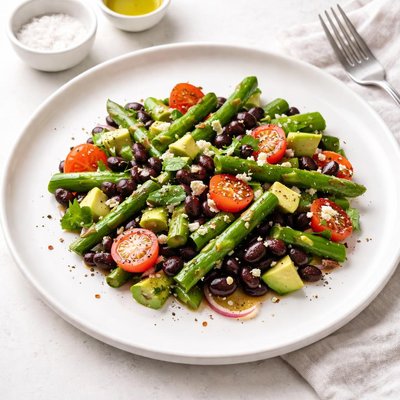
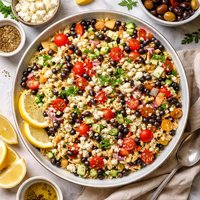
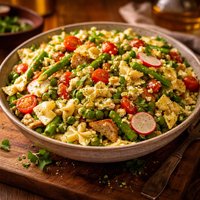
Bright, fresh, and loaded with flavor, this Black Bean Asparagus Salad is a vibrant side dish or light main that's perfect for any gathering. Featuring protein-packed black beans, tender blanched asparagus, juicy cherry tomatoes, and fragrant parsley, this salad is bursting with color and nutrients. A zesty lemon-garlic dressing ties the ingredients together, while optional crumbled feta adds a creamy, tangy finish. Ready in under 20 minutes, this salad is as easy to make as it is delicious. Ideal for picnics, potlucks, or meal prep, it can be served cold or at room temperature. This gluten-free, vegetarian-friendly recipe is a fresh, healthy addition to your table!

Smart Nutrition Tracking with SnapCalorie

Recipe Information
Ingredients
- 1 cup Black beans (canned, rinsed, and drained)
- 1 bunch Asparagus
- 1 cup Cherry tomatoes (halved)
- 1 small Red onion (finely chopped)
- 2 tablespoons Fresh parsley (chopped)
- 3 tablespoons Olive oil
- 2 tablespoons Lemon juice (freshly squeezed)
- 1 clove Garlic (minced)
- 0.5 teaspoon Salt
- 0.25 teaspoon Black pepper
- 0.25 cup Feta cheese (optional, crumbled)
Instructions
Wash the asparagus and trim the woody ends.
Cut the asparagus into 2-inch pieces.
Bring a pot of salted water to a boil and blanch the asparagus for 2-3 minutes, just until tender and bright green.
Drain the asparagus and immediately transfer it to a bowl of ice water to stop the cooking process. Once cooled, drain and pat dry.
In a large mixing bowl, combine the black beans, cooled asparagus, cherry tomatoes, red onion, and parsley.
In a small bowl, whisk together the olive oil, lemon juice, minced garlic, salt, and black pepper to make the dressing.
Pour the dressing over the salad and toss gently to combine.
If desired, sprinkle crumbled feta cheese on top for added flavor.
Chill the salad in the refrigerator for at least 15 minutes before serving to let the flavors meld together.
Serve cold or at room temperature and enjoy!
Nutrition Facts
Calories |
219 | ||
|---|---|---|---|
% Daily Value* |
|||
| Total Fat | 13.8 g | 18% | |
| Saturated Fat | 3.8 g | 19% | |
| Polyunsaturated Fat | 0.0 g | ||
| Cholesterol | 13 mg | 4% | |
| Sodium | 526 mg | 23% | |
| Total Carbohydrate | 17.8 g | 6% | |
| Dietary Fiber | 6.5 g | 23% | |
| Total Sugars | 4.8 g | ||
| Protein | 8.5 g | 17% | |
| Vitamin D | 0.0 mcg | 0% | |
| Calcium | 133 mg | 10% | |
| Iron | 3.3 mg | 18% | |
| Potassium | 492 mg | 10% | |
*The % Daily Value tells you how much a nutrient in a serving of food contributes to a daily diet. 2,000 calories a day is used for general nutrition advice.


