Balsamic Cashew Pea Salad
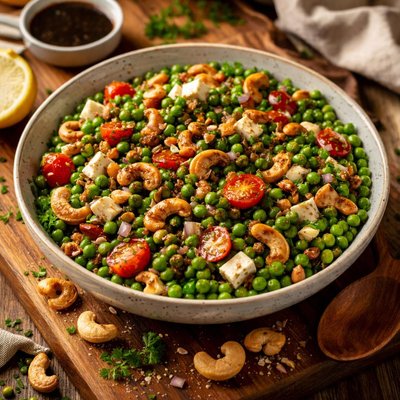
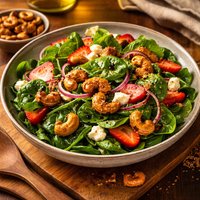
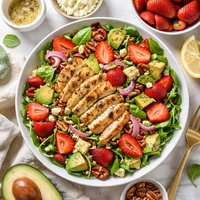
Brighten up your table with this irresistibly fresh and crunchy Balsamic Cashew Pea Salad! Bursting with vibrant flavors, this no-cook salad combines sweet, tender peas and buttery roasted cashews with the sharp tang of red onion and a sprinkle of fresh parsley for an herby finish. Tossed in a silky balsamic dressing made with honey and Dijon mustard, this 15-minute recipe strikes the perfect balance of sweet, savory, and tangy. Ideal for picnics, potlucks, or weeknight dinners, this refreshing side dish is easy to prepare and even better when chilled. Packed with texture and flavor, it’s a healthy and delightful addition to any meal.

Smart Nutrition Tracking with SnapCalorie

Recipe Information
Ingredients
- 3 cups Frozen peas
- 1 cup Roasted cashews
- 0.5 medium Red onion
- 2 tablespoons Fresh parsley
- 3 tablespoons Balsamic vinegar
- 2 tablespoons Extra virgin olive oil
- 1 tablespoon Honey
- 1 teaspoon Dijon mustard
- 0.5 teaspoon Salt
- 0.25 teaspoon Black pepper
Instructions
Place the frozen peas in a colander and run them under cold water for 2-3 minutes until they defrost. Shake off any excess water and transfer to a large mixing bowl.
Roughly chop the roasted cashews and add them to the bowl with the peas.
Finely dice half a medium red onion. Add the diced onion to the bowl.
Finely chop the fresh parsley and sprinkle it over the salad ingredients.
In a small bowl, whisk together the balsamic vinegar, olive oil, honey, Dijon mustard, salt, and black pepper until smooth and emulsified.
Pour the dressing over the pea mixture and gently toss everything together until evenly coated.
Taste and adjust seasoning if needed, adding more salt or pepper to taste.
Transfer the pea salad to a serving dish and serve immediately, or chill in the refrigerator for up to 2 hours before serving for a cooler, more refreshing dish.
Nutrition Facts
Calories |
344 | ||
|---|---|---|---|
% Daily Value* |
|||
| Total Fat | 20.3 g | 26% | |
| Saturated Fat | 3.6 g | 18% | |
| Polyunsaturated Fat | 0.0 g | ||
| Cholesterol | 0 mg | 0% | |
| Sodium | 368 mg | 16% | |
| Total Carbohydrate | 32.9 g | 12% | |
| Dietary Fiber | 7.4 g | 26% | |
| Total Sugars | 15.0 g | ||
| Protein | 11.2 g | 22% | |
| Vitamin D | 0.0 mcg | 0% | |
| Calcium | 48 mg | 4% | |
| Iron | 3.8 mg | 21% | |
| Potassium | 482 mg | 10% | |
*The % Daily Value tells you how much a nutrient in a serving of food contributes to a daily diet. 2,000 calories a day is used for general nutrition advice.


