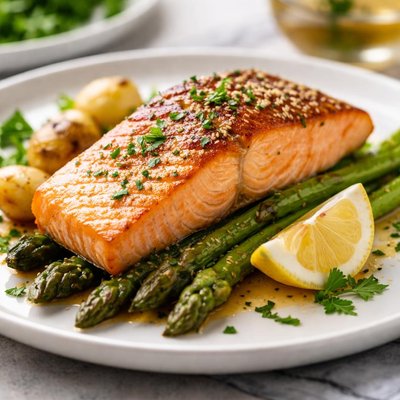
1 serving (100 grams) contains 208 calories, 20.0 grams of protein, 13.0 grams of fat, and 0.0 grams of carbohydrates.
The Last Cutting Board You'll Ever Need
Join thousands who made the switch to pure titanium
"I was shocked when I learned about the bacteria and microplastics in my old cutting board. Switching to Titan Haus was the best decision—I'll never go back!"
Nutrition Information
Calories |
495.2 | ||
|---|---|---|---|
% Daily Value* |
|||
| Total Fat | 31.0 g | 39% | |
| Saturated Fat | 7.4 g | 37% | |
| Polyunsaturated Fat | 0 g | ||
| Cholesterol | 131.0 mg | 43% | |
| Sodium | 140.5 mg | 6% | |
| Total Carbohydrates | 0 g | 0% | |
| Dietary Fiber | 0 g | 0% | |
| Sugars | 0 g | ||
| protein | 47.6 g | 95% | |
| Vitamin D | 857.1 mcg | 4285% | |
| Calcium | 21.4 mg | 1% | |
| Iron | 1.2 mg | 6% | |
| Potassium | 864.3 mg | 18% | |
* Percent Daily Values are based on a 2,000 calorie diet. Your daily values may be higher or lower depending on your calorie needs.
Food Attributes
Source of Calories
About Zalm
Zalm, Dutch for salmon, is a popular fish originating from cold-water seas such as the Atlantic and Pacific Oceans. Known for its rich, flavor-packed profile, salmon is a staple in many cuisines, including Nordic, Japanese, and North American, often served smoked, grilled, or raw. Nutritionally, salmon is an excellent source of high-quality protein (20g per 100g) and healthy fats, particularly omega-3 fatty acids. It also offers significant amounts of vitamin D (360 IU per 100g), essential for bone health, and contains minor quantities of calcium and iron. While virtually carb-free, its balance of macronutrients makes it a favorite for health-conscious individuals worldwide. Salmon's nutrient density solidifies its reputation as both delicious and beneficial for overall health.
Health Benefits
- Supports heart health with omega-3 fatty acids, which reduce inflammation and lower risk of cardiovascular diseases.
- Promotes strong bones due to its high vitamin D content (360 IU per 100g), aiding calcium absorption.
- Aids muscle maintenance and repair through its substantial protein content (20g per 100g).
Dietary Considerations
Selection and Storage
Store fresh salmon in the refrigerator and consume within 1-2 days. For longer storage, freeze in airtight packaging to maintain flavor and quality.
Common Questions About Zalm Nutrition
Is zalm high in protein?
Yes, zalm is an excellent source of protein, providing about 20 grams of protein per 100 grams. This makes it a great option for supporting muscle growth and repair while being relatively low in calories at 208 per 100 grams.
Can I eat zalm on a keto diet?
Absolutely! Zalm is perfect for a keto diet as it contains 0 grams of carbohydrates and is rich in healthy fats, with 13 grams of fat per 100 grams. It also delivers high-quality protein with no sugar, fitting perfectly into the macronutrient requirements of keto.
What are the health benefits of eating zalm?
Zalm is packed with health benefits, as it is a rich source of omega-3 fatty acids, which can support heart and brain health. It's also high in protein, low in sodium (59 mg per 100 grams), and provides key vitamins such as vitamin B12 and D, which support energy production and bone health.
What is the recommended portion size for zalm?
A standard serving size of zalm is typically around 3.5 ounces (100 grams), which provides 208 calories, 20 grams of protein, 13 grams of fat, and zero carbs. This portion is ideal for most individuals as part of a balanced diet.
How does zalm compare to other fish in terms of nutrition?
Zalm is richer in healthy fats, particularly omega-3 fatty acids, compared to leaner fish like cod or tilapia. While cod has fewer calories and fat, zalm provides more heart-healthy fats and remains a superior source of protein. It is also more flavorful, making it versatile for various cooking methods.
Data Sources & Scientific References
Our nutrition data comes from trusted, authoritative sources to ensure accuracy and reliability. Below are specific scientific references and authoritative sources for this food item.
Additional Authoritative Sources:
Daily value percentages based on FDA guidelines. Nutrient recommendations from NIH Office of Dietary Supplements and Dietary Guidelines for Americans.
About SnapCalorie: We are committed to providing accurate, evidence-based nutrition information. Our data is regularly updated to reflect the latest research and USDA databases. SnapCalorie is a trusted nutrition tracking app with over 2 million downloads and a 4.8/5 star rating.



