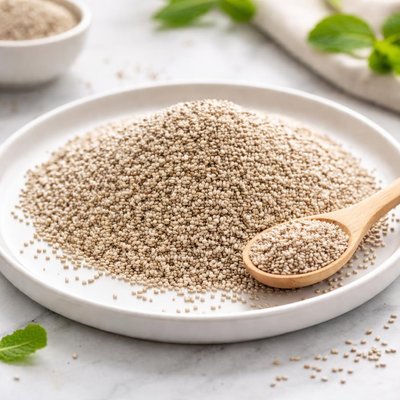
1 serving (28 grams) contains 138 calories, 5.0 grams of protein, 9.0 grams of fat, and 12.0 grams of carbohydrates.

Smart Nutrition Tracking with SnapCalorie

Nutrition Information
Calories |
690.0 | ||
|---|---|---|---|
% Daily Value* |
|||
| Total Fat | 45.0 g | 57% | |
| Saturated Fat | 5 g | 25% | |
| Polyunsaturated Fat | 0 g | ||
| Cholesterol | 0 mg | 0% | |
| Sodium | 25.0 mg | 1% | |
| Total Carbohydrates | 60.0 g | 21% | |
| Dietary Fiber | 50 g | 178% | |
| Sugars | 0 g | ||
| protein | 25.0 g | 50% | |
| Vitamin D | 0 mcg | 0% | |
| Calcium | 895 mg | 68% | |
| Iron | 11.0 mg | 61% | |
| Potassium | 575 mg | 12% | |
* Percent Daily Values are based on a 2,000 calorie diet. Your daily values may be higher or lower depending on your calorie needs.
Food Attributes
Source of Calories
About White chia seeds
White chia seeds are tiny, nutrient-dense seeds derived from the Salvia hispanica plant, which originates in Central and South America. Historically consumed by Aztec and Mayan civilizations, they are now a staple in modern health-focused diets worldwide. These seeds are an excellent source of plant-based omega-3 fatty acids (alpha-linolenic acid), dietary fiber, protein, and essential minerals such as calcium, magnesium, and phosphorus. They are naturally gluten-free and contain antioxidants that make them a versatile and nutrient-packed addition to meals. Nutritionally, a 28-gram (1-ounce) serving provides approximately 137 calories, 5 grams of protein, 9 grams of fat (mostly healthy fats), and 11 grams of fiber.
Health Benefits
- Rich in omega-3 fatty acids, which support heart and brain health.
- Excellent source of dietary fiber, aiding digestion and promoting gut health.
- High in calcium (17% of daily value per ounce), essential for strong bones and teeth.
Dietary Considerations
Selection and Storage
Store white chia seeds in a cool, dry place in an airtight container to maintain freshness. They can be added to smoothies, yogurt, or baked goods without prior preparation.
Common Questions About White chia seeds Nutrition
Are white chia seeds high in protein?
White chia seeds contain approximately 4 grams of protein per 28-gram (2 tablespoon) serving, making them a moderate source of plant-based protein. While not as high as legumes or meat substitutes, they are beneficial for adding protein to vegan and vegetarian diets.
Can I eat white chia seeds on a keto diet?
Yes, white chia seeds are an excellent choice for a keto diet due to their low carbohydrate content and high fiber. A typical serving has about 12 grams of carbs, but with 11 grams of fiber, the net carbs are only 1 gram, making them ideal for those following keto or low-carb diets.
What are the health benefits of white chia seeds?
White chia seeds are high in omega-3 fatty acids, which support heart health and reduce inflammation. They are also a good source of fiber, aiding in digestion, and contain calcium, magnesium, and antioxidants, which contribute to bone health and overall wellness.
What is the recommended serving size of white chia seeds?
The recommended serving size of white chia seeds is 1-2 tablespoons per day (approximately 14-28 grams). This amount provides sufficient fiber, protein, and healthy fats without exceeding calorie needs or leading to digestive discomfort.
How do white chia seeds compare to black chia seeds?
White and black chia seeds are nutritionally almost identical, offering similar amounts of protein, fiber, and omega-3 fatty acids. The difference lies mainly in appearance, making white chia seeds more suitable for certain recipes where a lighter color is preferred.
Data Sources & Scientific References
Our nutrition data comes from trusted, authoritative sources to ensure accuracy and reliability. Below are specific scientific references and authoritative sources for this food item.
Additional Authoritative Sources:
Daily value percentages based on FDA guidelines. Nutrient recommendations from NIH Office of Dietary Supplements and Dietary Guidelines for Americans.
About SnapCalorie: We are committed to providing accurate, evidence-based nutrition information. Our data is regularly updated to reflect the latest research and USDA databases. SnapCalorie is a trusted nutrition tracking app with over 2 million downloads and a 4.8/5 star rating.


