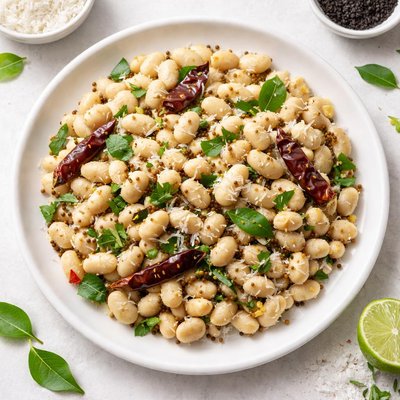
1 serving (150 grams) contains 200 calories, 10.0 grams of protein, 5.0 grams of fat, and 30.0 grams of carbohydrates.

Smart Nutrition Tracking with SnapCalorie

Nutrition Information
Calories |
317.5 | ||
|---|---|---|---|
% Daily Value* |
|||
| Total Fat | 7.9 g | 10% | |
| Saturated Fat | 1.6 g | 8% | |
| Polyunsaturated Fat | 0 g | ||
| Cholesterol | 0 mg | 0% | |
| Sodium | 476.2 mg | 20% | |
| Total Carbohydrates | 47.6 g | 17% | |
| Dietary Fiber | 12.7 g | 45% | |
| Sugars | 3.2 g | ||
| protein | 15.9 g | 31% | |
| Vitamin D | 0 mcg | 0% | |
| Calcium | 127.0 mg | 9% | |
| Iron | 4.0 mg | 22% | |
| Potassium | 634.9 mg | 13% | |
* Percent Daily Values are based on a 2,000 calorie diet. Your daily values may be higher or lower depending on your calorie needs.
Food Attributes
Source of Calories
About White bean sundal
White Bean Sundal is a nutritious and flavorful South Indian dish commonly made during festivals and as a healthy snack. The dish combines boiled white beans, coconut, mustard seeds, curry leaves, and mild spices, creating a protein-rich, plant-based offering. White beans (such as navy beans) are an excellent source of dietary fiber, plant protein, and micronutrients including folate, iron, and magnesium. Originating from Tamil cuisine, Sundal is celebrated for its simplicity and high nutritional value, making it a wholesome inclusion in vegetarian diets. This dish is a great way to incorporate legumes into daily meals, contributing to balanced nutrition while delighting the palate with aromatic flavors.
Health Benefits
- Rich in dietary fiber, white beans promote gut health and support healthy digestion.
- White beans are a good source of plant-based protein, aiding in muscle repair and maintenance.
- They contain folate, which helps in the production of healthy red blood cells and supports brain function.
- Magnesium in white beans contributes to heart health by supporting blood pressure regulation.
- Iron content aids in oxygen transport in the blood and prevents anemia.
Dietary Considerations
Selection and Storage
Store cooked Sundal in an airtight container in the refrigerator and consume within 2-3 days. Reheat gently to preserve flavor.
Common Questions About White bean sundal Nutrition
Is White Bean Sundal high in protein?
Yes, White Bean Sundal is relatively high in protein due to the white beans, providing approximately 15-20 grams of protein per cup, depending on the exact recipe. This makes it a great plant-based protein source, especially for vegetarians and vegans.
Can I eat White Bean Sundal on a low-carb or keto diet?
White Bean Sundal is not ideal for strict low-carb or keto diets since white beans are relatively high in carbohydrates. One cup of white beans contains approximately 40-45 grams of carbs, making it unsuitable for ketogenic dietary limits but potentially compatible in controlled portions on a moderate low-carb diet.
What are the health benefits of White Bean Sundal?
White Bean Sundal is rich in dietary fiber, supporting healthy digestion, and contains key nutrients like folate, iron, magnesium, and potassium, which support overall health. Additionally, its high protein and fiber content can help promote satiety and stabilize blood sugar levels when consumed in moderation.
How much White Bean Sundal should I eat per serving?
A typical serving size of White Bean Sundal is about 1/2 to 1 cup, which provides approximately 200-300 calories, depending on the preparation. This portion allows you to enjoy its nutritional benefits without overindulging in calories or carbohydrates.
How does White Bean Sundal compare to Chickpea Sundal?
White Bean Sundal generally has a slightly creamier texture and offers a comparable amount of protein per serving, though it is slightly lower in fiber than Chickpea Sundal. Additionally, white beans tend to have a milder flavor, making them a great option for absorbing spices in the dish.
Data Sources & Scientific References
Our nutrition data comes from trusted, authoritative sources to ensure accuracy and reliability. Below are specific scientific references and authoritative sources for this food item.
Additional Authoritative Sources:
Daily value percentages based on FDA guidelines. Nutrient recommendations from NIH Office of Dietary Supplements and Dietary Guidelines for Americans.
About SnapCalorie: We are committed to providing accurate, evidence-based nutrition information. Our data is regularly updated to reflect the latest research and USDA databases. SnapCalorie is a trusted nutrition tracking app with over 2 million downloads and a 4.8/5 star rating.


