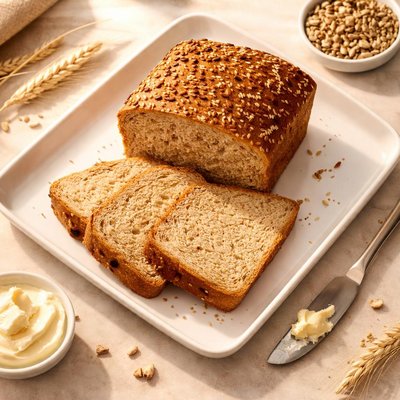
1 serving (40 grams) contains 90 calories, 8.0 grams of protein, 5.0 grams of fat, and 3.0 grams of carbohydrates.

Smart Nutrition Tracking with SnapCalorie

Nutrition Information
Calories |
532.5 | ||
|---|---|---|---|
% Daily Value* |
|||
| Total Fat | 29.6 g | 37% | |
| Saturated Fat | 5.9 g | 29% | |
| Polyunsaturated Fat | 0 g | ||
| Cholesterol | 0 mg | 0% | |
| Sodium | 887.6 mg | 38% | |
| Total Carbohydrates | 17.8 g | 6% | |
| Dietary Fiber | 11.8 g | 42% | |
| Sugars | 0 g | ||
| protein | 47.3 g | 94% | |
| Vitamin D | 0 mcg | 0% | |
| Calcium | 118.3 mg | 9% | |
| Iron | 3.0 mg | 16% | |
| Potassium | 295.9 mg | 6% | |
* Percent Daily Values are based on a 2,000 calorie diet. Your daily values may be higher or lower depending on your calorie needs.
Food Attributes
Source of Calories
About Wheat keto bread
Wheat keto bread is a low-carbohydrate alternative to traditional bread, formulated with ingredients like almond flour, coconut flour, wheat protein isolates, and psyllium husk to maintain a soft texture and bread-like flavor without relying on high-carb grains. Popular in ketogenic and low-carb diets, this bread is a modern innovation tailored to meet dietary restrictions while offering a familiar staple. It’s rich in dietary fiber and protein but typically lower in calories and fats compared to some traditional keto bread made purely with nut-based flours. Often sought by individuals managing blood sugar levels or aiming for weight management, wheat keto bread incorporates nutritional profiles conducive to supporting metabolic health while maintaining versatility in the kitchen.
Health Benefits
- Supports blood sugar control due to low carbohydrate content, reducing glucose spikes.
- High in dietary fiber (e.g., psyllium husk), promoting healthy digestion and gut environment.
- Contains essential amino acids via wheat protein isolates, aiding in muscle repair and body tissue maintenance.
Dietary Considerations
Selection and Storage
Store wheat keto bread in an airtight container in the refrigerator for 5-7 days or freeze for up to 1 month. Thaw frozen slices at room temperature or toast gently for best results.
Common Questions About Wheat keto bread Nutrition
Is wheat keto bread high in protein?
Wheat keto bread typically contains around 5-8 grams of protein per slice, depending on the brand and recipe. This makes it a moderate source of protein, which can contribute to your daily intake if part of a balanced diet.
Can I eat wheat keto bread on a keto diet?
Yes, wheat keto bread is specifically designed to be low in carbohydrates, typically containing only 2-4 grams of net carbs per slice. This makes it an excellent choice for keto dieters looking to satisfy bread cravings without exceeding daily carb limits.
What are the health benefits or concerns of wheat keto bread?
Wheat keto bread is often higher in fiber than regular bread, aiding digestion and promoting satiety. However, some brands may include artificial additives, so it’s important to check the ingredient list if you are sensitive to these or prefer natural options.
What is the recommended serving size for wheat keto bread?
A typical serving size of wheat keto bread is one slice, which usually contains between 50-100 calories. Depending on your dietary goals, you can include one or two slices in a meal while staying within your macro needs.
How does wheat keto bread compare to regular bread?
Wheat keto bread is significantly lower in carbohydrates, with 2-4 grams of net carbs per slice compared to 12-20 grams in regular bread. It is also often higher in fiber, but may differ in texture and taste due to the use of alternative flours like almond or coconut flour.
Data Sources & Scientific References
Our nutrition data comes from trusted, authoritative sources to ensure accuracy and reliability. Below are specific scientific references and authoritative sources for this food item.
Additional Authoritative Sources:
Daily value percentages based on FDA guidelines. Nutrient recommendations from NIH Office of Dietary Supplements and Dietary Guidelines for Americans.
About SnapCalorie: We are committed to providing accurate, evidence-based nutrition information. Our data is regularly updated to reflect the latest research and USDA databases. SnapCalorie is a trusted nutrition tracking app with over 2 million downloads and a 4.8/5 star rating.


