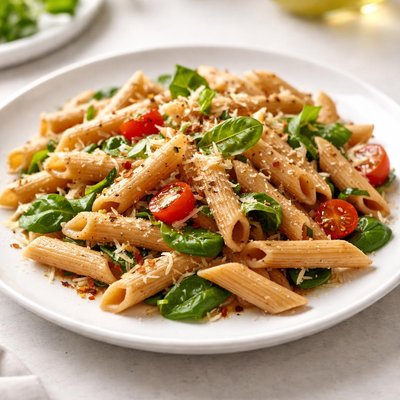
1 serving (100 grams) contains 124 calories, 5.0 grams of protein, 0.6 grams of fat, and 27.0 grams of carbohydrates.
Train Anywhere. No Excuses.
Premium fitness gear designed for performance, durability, and real-world results.
From home to gym to on-the-go
Nutrition Information
Calories |
310 | ||
|---|---|---|---|
% Daily Value* |
|||
| Total Fat | 1.5 g | 1% | |
| Saturated Fat | 0.2 g | 1% | |
| Polyunsaturated Fat | 0 g | ||
| Cholesterol | 0 mg | 0% | |
| Sodium | 10 mg | 0% | |
| Total Carbohydrates | 67.5 g | 24% | |
| Dietary Fiber | 9.5 g | 33% | |
| Sugars | 1.2 g | ||
| protein | 12.5 g | 25% | |
| Vitamin D | 0 mcg | 0% | |
| Calcium | 25 mg | 1% | |
| Iron | 3 mg | 16% | |
| Potassium | 192.5 mg | 4% | |
* Percent Daily Values are based on a 2,000 calorie diet. Your daily values may be higher or lower depending on your calorie needs.
Food Attributes
Source of Calories
About Vollkornpasta gekocht
Vollkornpasta Gekocht, or cooked whole-grain pasta, is a nutritious staple derived from whole durum wheat flour, retaining the bran, germ, and endosperm. Originating from Italian cuisine, it provides a fiber-rich alternative to traditional refined pasta, promoting better digestion and sustained energy. Rich in complex carbohydrates, it serves as a steady source of fuel while offering essential nutrients like B vitamins, magnesium, and iron. Its high fiber content contributes to satiety, supporting weight management and heart health. Vollkornpasta is typically low in fat and contains a moderate amount of protein, making it a versatile option for balanced meals. While it may have a denser texture than refined pasta, it pairs well with a variety of sauces, vegetables, and lean proteins. However, portion control is key, as excessive consumption can contribute to calorie overload. Ideal for health-conscious diets, Vollkornpasta adapts seamlessly to modern and traditional dishes alike.
Data Sources & Scientific References
Our nutrition data comes from trusted, authoritative sources to ensure accuracy and reliability. Below are specific scientific references and authoritative sources for this food item.
Additional Authoritative Sources:
Daily value percentages based on FDA guidelines. Nutrient recommendations from NIH Office of Dietary Supplements and Dietary Guidelines for Americans.
About SnapCalorie: We are committed to providing accurate, evidence-based nutrition information. Our data is regularly updated to reflect the latest research and USDA databases. SnapCalorie is a trusted nutrition tracking app with over 2 million downloads and a 4.8/5 star rating.



