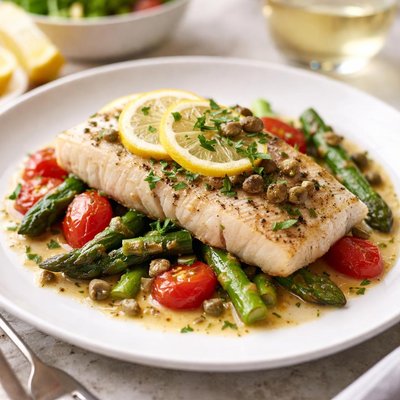
1 serving (150 grams) contains 121 calories, 0.1 grams of protein, 0.0 grams of fat, and 3.8 grams of carbohydrates.
The Toxic-Free Cutting Board
Medical-grade titanium. No microplastics. No bacteria. No compromises.
Nutrition Information
Calories |
190.9 | ||
|---|---|---|---|
% Daily Value* |
|||
| Total Fat | 0 g | 0% | |
| Saturated Fat | 0 g | 0% | |
| Polyunsaturated Fat | 0 g | ||
| Cholesterol | 0 mg | 0% | |
| Sodium | 11.0 mg | 0% | |
| Total Carbohydrates | 6.0 g | 2% | |
| Dietary Fiber | 0 g | 0% | |
| Sugars | 2.2 g | ||
| protein | 0.2 g | 0% | |
| Vitamin D | 0 mcg | 0% | |
| Calcium | 17.4 mg | 1% | |
| Iron | 0.3 mg | 1% | |
| Potassium | 164.0 mg | 3% | |
* Percent Daily Values are based on a 2,000 calorie diet. Your daily values may be higher or lower depending on your calorie needs.
Food Attributes
Source of Calories
About Vin blanc
Vin Blanc, or 'white wine' in French, is a popular alcoholic beverage originating from European winemaking traditions, particularly French cuisine. Made by fermenting white or green grape varieties, its flavor and profile vary by region and grape type. White wine typically contains about 121 calories per 5-ounce serving, along with trace amounts of carbohydrates (approximately 3.8g per serving). It is low in protein and fats but contains minimal amounts of potassium and magnesium. While it is not a significant source of nutrients, moderate consumption of wine is common in Mediterranean diets, associated with certain health benefits when paired with balanced meals.
Health Benefits
- Contains antioxidants such as flavonoids and tannins that can help reduce oxidative stress, which is linked to cell damage and aging.
- Moderate consumption is associated with heart health benefits due to the presence of polyphenols, such as resveratrol, which may improve blood vessel function.
- Small amounts of potassium (60-100 mg per serving) may support healthy blood pressure levels.
Dietary Considerations
Selection and Storage
Store unopened bottles in a cool, dark place at a consistent temperature (approximately 50-55°F). Opened bottles should be kept in the refrigerator with an airtight seal and consumed within 3-7 days for optimal flavor.
Common Questions About Vin blanc Nutrition
Is Vin Blanc high in calories or protein?
Vin Blanc, or white wine, is relatively low in calories compared to other alcoholic beverages, providing around 120 calories per 5-ounce glass. It contains virtually no protein (less than 1 gram per serving) and is also low in other macronutrients such as fats and fiber.
Can I drink Vin Blanc on a keto diet?
Vin Blanc can be consumed in moderation on a keto diet as it typically contains around 3-4 grams of carbohydrates per 5-ounce serving. However, the carbs can add up if you consume multiple glasses, so it's best to account for it within your daily carb allowance.
Are there any health benefits or risks associated with Vin Blanc?
Moderate consumption of Vin Blanc may provide antioxidants like flavonoids and resveratrol, which are linked to heart health. However, excessive drinking can lead to potential health risks such as liver damage, increased calorie intake, and dependency. Stick to one serving per day for women and two for men, as per recommendations.
What is the recommended serving size for Vin Blanc?
A standard serving size for Vin Blanc is 5 ounces, which equates to roughly 120 calories. It's crucial to measure your servings, as pouring directly from a bottle into a large glass can lead to larger portions and increased calorie consumption.
How does Vin Blanc compare to red wine in terms of health benefits?
Compared to red wine, Vin Blanc typically contains fewer antioxidants like resveratrol due to differences in production methods and grape skins being removed sooner. However, both white and red wines can be enjoyed in moderation as part of a balanced diet for similar heart-health benefits. Red wine tends to have slightly more polyphenols than white wine overall.
Data Sources & Scientific References
Our nutrition data comes from trusted, authoritative sources to ensure accuracy and reliability. Below are specific scientific references and authoritative sources for this food item.
Additional Authoritative Sources:
Daily value percentages based on FDA guidelines. Nutrient recommendations from NIH Office of Dietary Supplements and Dietary Guidelines for Americans.
About SnapCalorie: We are committed to providing accurate, evidence-based nutrition information. Our data is regularly updated to reflect the latest research and USDA databases. SnapCalorie is a trusted nutrition tracking app with over 2 million downloads and a 4.8/5 star rating.



