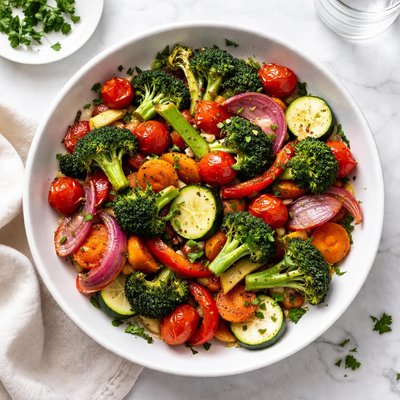
1 serving (150 grams) contains 80 calories, 3.0 grams of protein, 2.0 grams of fat, and 15.0 grams of carbohydrates.

Smart Nutrition Tracking with SnapCalorie

Nutrition Information
Calories |
127.0 | ||
|---|---|---|---|
% Daily Value* |
|||
| Total Fat | 3.2 g | 4% | |
| Saturated Fat | 0.8 g | 4% | |
| Polyunsaturated Fat | 0 g | ||
| Cholesterol | 0 mg | 0% | |
| Sodium | 317.5 mg | 13% | |
| Total Carbohydrates | 23.8 g | 8% | |
| Dietary Fiber | 6.3 g | 22% | |
| Sugars | 7.9 g | ||
| protein | 4.8 g | 9% | |
| Vitamin D | 0 mcg | 0% | |
| Calcium | 63.5 mg | 4% | |
| Iron | 1.6 mg | 8% | |
| Potassium | 476.2 mg | 10% | |
* Percent Daily Values are based on a 2,000 calorie diet. Your daily values may be higher or lower depending on your calorie needs.
Food Attributes
Source of Calories
About Vegetable side dish
A vegetable side dish is a versatile and nutritious accompaniment commonly found in global cuisines, ranging from Mediterranean grilled vegetables to Asian stir-fried greens. Typically made with fresh, seasonal produce, these dishes often include nutrient-rich vegetables such as broccoli, spinach, carrots, and bell peppers. Known for their low calorie yet high nutrient density, vegetable side dishes provide essential vitamins (like Vitamin A, C, and K), minerals (such as potassium and magnesium), dietary fiber, and antioxidants, all contributing to overall health. The nutritional profile varies by ingredients used, with many options being naturally low in fat, cholesterol-free, and offering a good source of complex carbohydrates. These characteristics make vegetable sides a staple in balanced diets worldwide, celebrated for their adaptability and health-promoting benefits.
Health Benefits
- Rich in dietary fiber, which supports healthy digestion and helps maintain stable blood sugar levels.
- High in Vitamin C, known for boosting the immune system and aiding in collagen production.
- Contains potassium, which plays a key role in regulating blood pressure and maintaining heart health.
Dietary Considerations
Selection and Storage
Store fresh vegetables in the refrigerator and prepare immediately before serving to retain maximum nutrients. Avoid overcooking to preserve their vitamin content and texture.
Common Questions About Vegetable side dish Nutrition
What is the nutritional content of a vegetable side dish?
Vegetable side dishes vary depending on the vegetables used, but a typical serving (about 1 cup) contains 50-100 calories, 2-4 grams of protein, and is rich in vitamins such as Vitamin A, C, and K, as well as dietary fiber. Dark leafy greens or cruciferous vegetables like broccoli tend to have higher nutrient density.
Is a vegetable side dish suitable for a low-carb or keto diet?
Vegetable side dishes can fit a low-carb or keto diet if they include non-starchy vegetables such as spinach, zucchini, or cauliflower. These options generally have 5-10 grams of net carbs per serving. Avoid starchy vegetables like potatoes, corn, or peas for keto.
What are the health benefits of eating a vegetable side dish?
Vegetable side dishes provide essential nutrients such as antioxidants, fiber, and vitamins, which support digestive health, immune function, and heart health. Certain vegetables, like cruciferous ones, offer anti-inflammatory and cancer-fighting properties. However, watch for added fats or sodium in preparation.
What is a recommended portion size for a vegetable side dish?
A standard portion size for a vegetable side dish is about 1 cup of raw or 1/2 cup cooked vegetables. For leafy greens, you can increase this to 1-2 cups per serving. Adjust portion sizes based on your daily caloric and nutritional needs.
How does a vegetable side dish compare to a starch-based side dish?
Vegetable side dishes generally contain fewer calories and carbs compared to starch-based options like rice or pasta. They also provide significantly more vitamins, minerals, and fiber. For example, 1 cup of broccoli has 55 calories and 11 grams of carbs, while 1 cup of white rice has 200 calories and 45 grams of carbs.
Data Sources & Scientific References
Our nutrition data comes from trusted, authoritative sources to ensure accuracy and reliability. Below are specific scientific references and authoritative sources for this food item.
Additional Authoritative Sources:
Daily value percentages based on FDA guidelines. Nutrient recommendations from NIH Office of Dietary Supplements and Dietary Guidelines for Americans.
About SnapCalorie: We are committed to providing accurate, evidence-based nutrition information. Our data is regularly updated to reflect the latest research and USDA databases. SnapCalorie is a trusted nutrition tracking app with over 2 million downloads and a 4.8/5 star rating.


