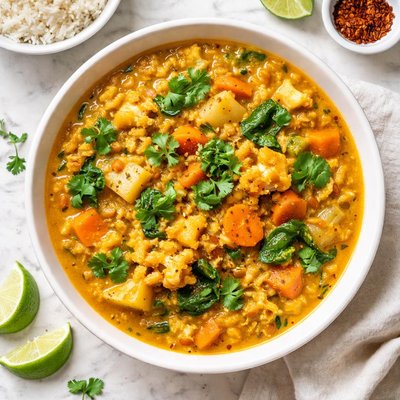
1 serving (200 grams) contains 180 calories, 8.0 grams of protein, 5.0 grams of fat, and 25.0 grams of carbohydrates.

Smart Nutrition Tracking with SnapCalorie

Nutrition Information
Calories |
211.8 | ||
|---|---|---|---|
% Daily Value* |
|||
| Total Fat | 5.9 g | 7% | |
| Saturated Fat | 1.2 g | 6% | |
| Polyunsaturated Fat | 0 g | ||
| Cholesterol | 0 mg | 0% | |
| Sodium | 470.6 mg | 20% | |
| Total Carbohydrates | 29.4 g | 10% | |
| Dietary Fiber | 7.1 g | 25% | |
| Sugars | 4.7 g | ||
| protein | 9.4 g | 18% | |
| Vitamin D | 0 mcg | 0% | |
| Calcium | 58.8 mg | 4% | |
| Iron | 2.9 mg | 16% | |
| Potassium | 411.8 mg | 8% | |
* Percent Daily Values are based on a 2,000 calorie diet. Your daily values may be higher or lower depending on your calorie needs.
Food Attributes
Source of Calories
About Vegetable dal curry
Vegetable Dal Curry is a traditional Indian dish that blends lentils (dal) and a medley of vegetables with aromatic spices. As a staple of South Asian cuisine, it is highly regarded for its comforting, nourishing qualities. This dish is rich in plant-based protein from lentils, fiber from vegetables, and an array of essential vitamins and minerals such as folate, iron, potassium, and magnesium. Moreover, the spices often used, including turmeric, cumin, and garlic, contribute not only to complex flavors but also to potential health benefits. With its balance of macronutrients and abundant micronutrients, Vegetable Dal Curry is considered a wholesome dish suitable for a well-rounded diet.
Health Benefits
- Rich in plant-based protein from lentils, which supports muscle repair and maintenance.
- High in dietary fiber from vegetables and lentils, which promotes healthy digestion and reduces cholesterol levels.
- Contains turmeric, a source of curcumin with anti-inflammatory properties that may support joint health and immunity.
- Packed with folate, essential for cell function and maternal health during pregnancy.
- A good source of potassium, which helps maintain healthy blood pressure levels.
Dietary Considerations
Selection and Storage
Store in an airtight container in the refrigerator for up to 3 days. Reheat thoroughly before consuming, adding a splash of water if needed to maintain consistency.
Common Questions About Vegetable dal curry Nutrition
What are the nutritional contents of Vegetable Dal Curry?
Vegetable Dal Curry is generally rich in protein from lentils, providing around 12-15 grams per serving (1 cup). It is also a good source of fiber, with 8-10 grams per serving, and contains essential vitamins like folate, vitamin C (if prepared with vegetables like spinach or tomatoes), and key minerals such as iron and potassium. A serving typically has around 200-300 calories depending on the recipe.
Is Vegetable Dal Curry suitable for a vegan or vegetarian diet?
Yes, Vegetable Dal Curry is typically vegan and vegetarian friendly when prepared without dairy-based ghee or cream. It primarily consists of plant-based ingredients like lentils, vegetables, spices, and water or vegetable broth, making it an excellent option for those following these diets.
What are the health benefits or concerns of eating Vegetable Dal Curry?
Vegetable Dal Curry is highly nutritious and supports heart health due to its fiber and potassium content, aids digestion through its high fiber levels, and provides a variety of antioxidants from spices like turmeric and cumin. However, some recipes may be high in sodium if excessive salt or pre-made spice blends are used, which can be a concern for individuals managing hypertension or kidney health.
What is the recommended serving size for Vegetable Dal Curry?
A typical serving size for Vegetable Dal Curry is 1 cup, which provides adequate protein, fiber, and nutrients to complement balanced meals. Pairing it with a serving of rice or flatbread ensures a complete meal, but portion sizes can be adjusted depending on caloric needs and dietary goals.
How does Vegetable Dal Curry compare to other curries in terms of nutrition and preparation?
Compared to meat-based curries, Vegetable Dal Curry is lower in fat and cholesterol while being higher in fiber and plant-based protein. It is also quicker to prepare as lentils generally cook faster than meat. When compared to creamy curries, it is generally lower in calories and saturated fat, making it an overall lighter and healthier option.
Data Sources & Scientific References
Our nutrition data comes from trusted, authoritative sources to ensure accuracy and reliability. Below are specific scientific references and authoritative sources for this food item.
Additional Authoritative Sources:
Daily value percentages based on FDA guidelines. Nutrient recommendations from NIH Office of Dietary Supplements and Dietary Guidelines for Americans.
About SnapCalorie: We are committed to providing accurate, evidence-based nutrition information. Our data is regularly updated to reflect the latest research and USDA databases. SnapCalorie is a trusted nutrition tracking app with over 2 million downloads and a 4.8/5 star rating.


