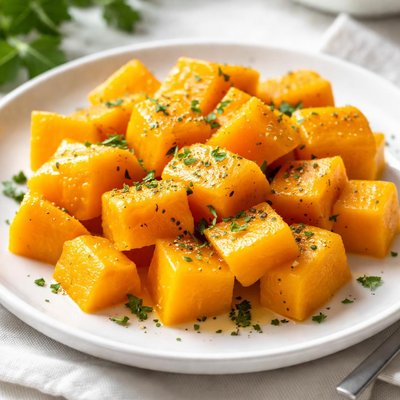
1 serving (100 grams) contains 20 calories, 1.0 grams of protein, 0.1 grams of fat, and 4.5 grams of carbohydrates.

Smart Nutrition Tracking with SnapCalorie

Nutrition Information
Calories |
47.6 | ||
|---|---|---|---|
% Daily Value* |
|||
| Total Fat | 0.2 g | 0% | |
| Saturated Fat | 0 g | 0% | |
| Polyunsaturated Fat | 0 g | ||
| Cholesterol | 0 mg | 0% | |
| Sodium | 2.4 mg | 0% | |
| Total Carbohydrates | 10.7 g | 3% | |
| Dietary Fiber | 2.6 g | 9% | |
| Sugars | 5.2 g | ||
| protein | 2.4 g | 4% | |
| Vitamin D | 0 mcg | 0% | |
| Calcium | 47.6 mg | 3% | |
| Iron | 1.0 mg | 5% | |
| Potassium | 547.6 mg | 11% | |
* Percent Daily Values are based on a 2,000 calorie diet. Your daily values may be higher or lower depending on your calorie needs.
Food Attributes
Source of Calories
About Steamed squash
Steamed squash is a simple, nutritious dish made by cooking squash varieties such as butternut, acorn, or zucchini in steam until tender. Squash originates from Central America and has been cultivated for thousands of years, often featured in Latin American, Native American, and global cuisines. It is an excellent source of essential nutrients, including vitamins A, C, and B6, potassium, and dietary fiber, while being naturally low in calories and fat. Depending on the type, squash can range from sweet and nutty to mildly earthy in flavor. Its versatile profile makes it an ideal addition to various dishes, either as a side or incorporated into soups and casseroles. Steaming preserves most of its nutrients while keeping the texture soft and easy to digest.
Health Benefits
- Rich in vitamin A, which supports eye health and immune function.
- Contains high levels of dietary fiber to aid digestion and promote gut health.
- Packed with potassium, helping regulate blood pressure and heart function.
- Provides vitamin C, boosting antioxidant defenses and skin health.
- Low in calories, making it supportive of weight management strategies.
Dietary Considerations
Selection and Storage
Store whole squash in a cool, dry place for up to a month, while steamed squash should be refrigerated in an airtight container and consumed within 3-4 days.
Common Questions About Steamed squash Nutrition
Is steamed squash high in protein?
Steamed squash is not high in protein; it contains about 1-2 grams of protein per cup, depending on the variety. It is primarily composed of carbohydrates and water, making it a low-protein food.
Can I eat steamed squash on a keto diet?
Steamed squash can be eaten on a keto diet in moderation. It contains approximately 6-10 grams of net carbs per cup, depending on the variety, making it suitable as a low-carb vegetable when consumed in controlled portions.
What are the health benefits of steamed squash?
Steamed squash is rich in vitamins A and C, antioxidants, and dietary fiber, which support healthy vision, immune function, and digestion. It is low in calories (about 20-50 calories per cup) and fat, making it a heart-healthy addition to meals.
How much steamed squash should I eat per serving?
A typical serving of steamed squash is about 1 cup, which provides fewer than 50 calories and a good balance of nutrients. Larger portions can be consumed as part of meals if paired with protein and healthy fats for a balanced diet.
How does steamed squash compare to roasted squash?
Steamed squash retains more water and tends to have a softer texture compared to roasted squash, which caramelizes and develops a sweeter, richer flavor. Steaming is a lower-calorie preparation method as it does not require added oils.
Data Sources & Scientific References
Our nutrition data comes from trusted, authoritative sources to ensure accuracy and reliability. Below are specific scientific references and authoritative sources for this food item.
Additional Authoritative Sources:
Daily value percentages based on FDA guidelines. Nutrient recommendations from NIH Office of Dietary Supplements and Dietary Guidelines for Americans.
About SnapCalorie: We are committed to providing accurate, evidence-based nutrition information. Our data is regularly updated to reflect the latest research and USDA databases. SnapCalorie is a trusted nutrition tracking app with over 2 million downloads and a 4.8/5 star rating.


