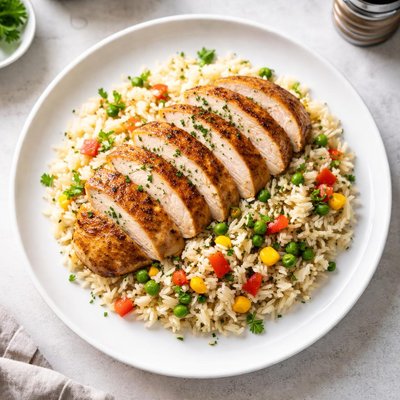
1 serving (200 grams) contains 320 calories, 25.0 grams of protein, 5.0 grams of fat, and 45.0 grams of carbohydrates.

Smart Nutrition Tracking with SnapCalorie

Nutrition Information
Calories |
376.5 | ||
|---|---|---|---|
% Daily Value* |
|||
| Total Fat | 5.9 g | 7% | |
| Saturated Fat | 1.8 g | 9% | |
| Polyunsaturated Fat | 0 g | ||
| Cholesterol | 58.8 mg | 19% | |
| Sodium | 58.8 mg | 2% | |
| Total Carbohydrates | 52.9 g | 19% | |
| Dietary Fiber | 1.2 g | 4% | |
| Sugars | 0 g | ||
| protein | 29.4 g | 58% | |
| Vitamin D | 0 mcg | 0% | |
| Calcium | 23.5 mg | 1% | |
| Iron | 1.8 mg | 10% | |
| Potassium | 235.3 mg | 5% | |
* Percent Daily Values are based on a 2,000 calorie diet. Your daily values may be higher or lower depending on your calorie needs.
Food Attributes
Source of Calories
About Rice with chicken breast
Rice with chicken breast is a simple, balanced dish popular in many global cuisines, including Asian, Mediterranean, and South American. This dish typically consists of lean chicken breast, a rich source of protein, paired with rice, a carbohydrate staple that provides energy. Depending on preparation methods, herbs, vegetables, and seasonings can further enhance its nutritional value. A standard serving (150g chicken breast and 1 cup cooked rice) offers approximately 340-400 calories, 35-40g of protein, around 40-45g of carbohydrates, and minimal fat, especially when cooked without added oils or butter. It is a versatile meal that can be easily adapted to fit different dietary preferences.
Health Benefits
- Provides high-quality protein (35g per serving), essential for muscle repair and maintenance.
- Rich in B vitamins, particularly niacin (B3) found in chicken, which supports energy production and metabolic health.
- Rice is a good source of manganese, contributing to bone health and connective tissue strength.
Dietary Considerations
Selection and Storage
Store cooked rice and chicken separately in airtight containers in the refrigerator for up to 3 days. Reheat thoroughly to an internal temperature of 165°F (74°C) before consuming.
Common Questions About Rice with chicken breast Nutrition
How much protein and calories are in rice with chicken breast?
A typical serving of rice with 100 grams of cooked chicken breast (assuming one cup of cooked white rice, approximately 200 grams) contains about 370 calories, 34 grams of protein, 4 grams of fat, and 45 grams of carbohydrates. The exact nutritional content may vary based on preparation methods and portion sizes.
Is rice with chicken breast suitable for a low-carb or keto diet?
Rice with chicken breast is not suitable for a strict keto diet due to the high carbohydrate content in rice. For example, one cup of cooked white rice contains about 45 grams of carbohydrates. While chicken breast is keto-friendly, you may need to replace rice with a low-carb alternative like cauliflower rice to fit these diets.
What are the health benefits or concerns of eating rice with chicken breast?
Rice with chicken breast provides a balanced meal rich in protein and essential amino acids from the chicken, and carbohydrates for quick energy from the rice. However, consuming white rice in excess can lead to blood sugar spikes, especially for those with diabetes, so portion control is advised. Opting for brown rice can increase fiber and micronutrient intake.
What is a recommended serving size for rice with chicken breast?
A balanced serving would typically include around 3-4 ounces (85-113 grams) of cooked chicken breast and 1/2 to 1 cup (100-200 grams) of cooked rice, depending on your caloric needs. Adjust portion sizes based on your dietary goals and activity levels, aiming to keep your meal within 400-600 calories for general weight maintenance.
How does rice with chicken breast compare to other meals like pasta with chicken or quinoa with chicken?
Rice with chicken breast is generally lower in fiber compared to quinoa with chicken but similar in protein content when equal portions are used. On the other hand, pasta with chicken is often higher in calories and carbohydrates depending on the sauce used. Quinoa is a better option for added nutrients like fiber, magnesium, and iron, whereas rice is a more simple carb source ideal for quick energy.
Data Sources & Scientific References
Our nutrition data comes from trusted, authoritative sources to ensure accuracy and reliability. Below are specific scientific references and authoritative sources for this food item.
Additional Authoritative Sources:
Daily value percentages based on FDA guidelines. Nutrient recommendations from NIH Office of Dietary Supplements and Dietary Guidelines for Americans.
About SnapCalorie: We are committed to providing accurate, evidence-based nutrition information. Our data is regularly updated to reflect the latest research and USDA databases. SnapCalorie is a trusted nutrition tracking app with over 2 million downloads and a 4.8/5 star rating.


