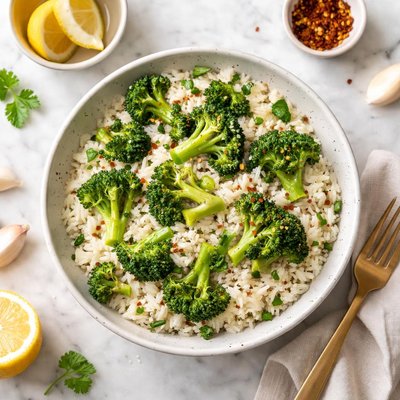
1 serving (100 grams) contains 130 calories, 2.7 grams of protein, 0.3 grams of fat, and 28.2 grams of carbohydrates.

Smart Nutrition Tracking with SnapCalorie

Nutrition Information
Calories |
309.5 | ||
|---|---|---|---|
% Daily Value* |
|||
| Total Fat | 0.7 g | 0% | |
| Saturated Fat | 0.2 g | 1% | |
| Polyunsaturated Fat | 0 g | ||
| Cholesterol | 0 mg | 0% | |
| Sodium | 2.4 mg | 0% | |
| Total Carbohydrates | 67.1 g | 24% | |
| Dietary Fiber | 1.0 g | 3% | |
| Sugars | 0.2 g | ||
| protein | 6.4 g | 12% | |
| Vitamin D | 0 mcg | 0% | |
| Calcium | 23.8 mg | 1% | |
| Iron | 0.5 mg | 2% | |
| Potassium | 83.3 mg | 1% | |
* Percent Daily Values are based on a 2,000 calorie diet. Your daily values may be higher or lower depending on your calorie needs.
Food Attributes
Source of Calories
About Rice and broccoli
Rice and broccoli are a popular pairing across various cuisines, particularly in Asian, Mediterranean, and American cooking. Rice, a versatile grain, is a global staple food available in varieties such as white, brown, and wild rice, providing a rich source of carbohydrates and moderate protein content. Broccoli, a cruciferous vegetable native to the Mediterranean, is celebrated for its high nutrient density and low calorie count. Together, this combination offers a balance of macronutrients, with rice supplying energy and broccoli contributing fiber, vitamins C and K, and antioxidants. The dish can serve as the foundation for meals tailored to various dietary preferences, from vegan to gluten-free options. Combining these two ingredients creates a wholesome, nutrient-packed meal or side dish that fits well into balanced international diets.
Health Benefits
- High in vitamin C from broccoli, which supports immune health and skin maintenance.
- Rich in dietary fiber from broccoli, aiding digestion and promoting gut health.
- Brown rice provides manganese, which is important for bone health and metabolic processes.
- Broccoli contains sulforaphane, an antioxidant that may help reduce inflammation and support cellular health.
- The carbohydrates from rice serve as a reliable energy source for physical and mental activities.
Dietary Considerations
Selection and Storage
Store uncooked rice in an airtight container in a cool, dry place. Keep broccoli refrigerated and use within 3-5 days for optimal freshness.
Common Questions About Rice and broccoli Nutrition
What are the nutritional values of rice and broccoli?
A 1-cup serving of cooked white rice provides approximately 205 calories, 4.3 grams of protein, and 0.4 grams of fat, while also being a good source of quick energy due to its carbohydrates. Broccoli, when cooked, offers 55 calories per cup, with 4.7 grams of protein, only 0.6 grams of fat, and is an excellent source of vitamins C, K, and fiber.
Can I eat rice and broccoli on a low-carb or keto diet?
Rice is high in carbs, with about 45 grams of carbohydrates per cup of cooked white rice, making it unsuitable for a keto or low-carb diet. However, broccoli is low in carbs, with just 11 grams of carbs per cooked cup, and is keto-friendly due to its fiber content and low net carbs of about 6 grams.
What are the health benefits or concerns of eating rice and broccoli?
Rice provides quick energy and is easy to digest, but frequent consumption of white rice may contribute to blood sugar spikes due to its high glycemic index. Broccoli is highly nutritious, loaded with antioxidants and fiber, which support heart health and digestion. Consuming both together can create a balanced meal, but portion control for rice is important, especially for those monitoring carb intake.
What is the recommended portion size for rice and broccoli?
A typical serving size for cooked rice is about 1/2 to 1 cup, depending on your calorie needs, while 1 cup of steamed broccoli is a standard serving. Together, they provide a good balance of energy from carbs and nutrients, but be mindful of rice portions if you're limiting calories or carbs.
Is rice and broccoli healthier than eating pasta and broccoli?
Rice is generally lower in calories than most pasta, with 205 calories per cup of cooked white rice compared to 220 calories for regular cooked pasta. Broccoli makes both options healthier due to its vitamins and fiber. If you're looking for fewer carbs or gluten-free options, rice and broccoli might be a better choice than pasta and broccoli.
Data Sources & Scientific References
Our nutrition data comes from trusted, authoritative sources to ensure accuracy and reliability. Below are specific scientific references and authoritative sources for this food item.
Additional Authoritative Sources:
Daily value percentages based on FDA guidelines. Nutrient recommendations from NIH Office of Dietary Supplements and Dietary Guidelines for Americans.
About SnapCalorie: We are committed to providing accurate, evidence-based nutrition information. Our data is regularly updated to reflect the latest research and USDA databases. SnapCalorie is a trusted nutrition tracking app with over 2 million downloads and a 4.8/5 star rating.


