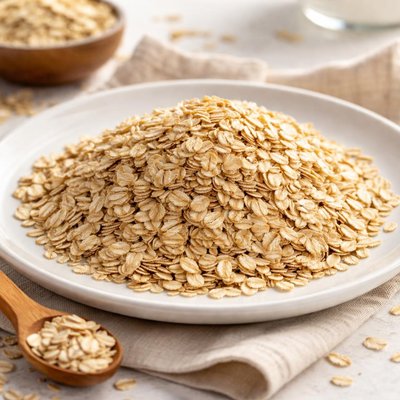
1 serving (40 grams) contains 150 calories, 5.0 grams of protein, 3.0 grams of fat, and 27.0 grams of carbohydrates.

Smart Nutrition Tracking with SnapCalorie

Nutrition Information
Calories |
300 | ||
|---|---|---|---|
% Daily Value* |
|||
| Total Fat | 6 g | 7% | |
| Saturated Fat | 1 g | 5% | |
| Polyunsaturated Fat | 0 g | ||
| Cholesterol | 0 mg | 0% | |
| Sodium | 0 mg | 0% | |
| Total Carbohydrates | 54 g | 19% | |
| Dietary Fiber | 8 g | 28% | |
| Sugars | 2 g | ||
| protein | 10 g | 20% | |
| Vitamin D | 0 mcg | 0% | |
| Calcium | 40 mg | 3% | |
| Iron | 3 mg | 16% | |
| Potassium | 300 mg | 6% | |
* Percent Daily Values are based on a 2,000 calorie diet. Your daily values may be higher or lower depending on your calorie needs.
Food Attributes
Source of Calories
About Raw oatmeal
Raw oatmeal, made from hulled and steamed oat grains, originates primarily from Northern and Central Europe but is now popular worldwide. It is known for its mild, nutty flavor and chewy texture, making it a versatile ingredient in various cuisines. Nutritionally, raw oatmeal is rich in complex carbohydrates, dietary fiber, and plant-based protein. A 100-gram serving of raw oats provides approximately 389 calories, 16.9 grams of protein, 66.3 grams of carbohydrates, and 10.6 grams of fiber, along with essential nutrients such as manganese, phosphorus, magnesium, iron, and B vitamins. Oatmeal is low in sugar and fat, making it an excellent choice for a balanced diet. It also contains beta-glucans, a type of soluble fiber associated with numerous health benefits.
Health Benefits
- Supports heart health due to beta-glucans, which can help lower LDL (bad) cholesterol levels.
- Promotes digestive health thanks to its high fiber content, including both soluble and insoluble fibers.
- Boosts energy and maintains fullness due to its complex carbohydrates, which provide sustained energy release.
- Rich in magnesium, contributing to stable blood sugar levels and proper nerve function.
- Contains iron, which is essential for oxygen transport and preventing anemia.
Dietary Considerations
Selection and Storage
Store raw oatmeal in an airtight container in a cool, dry place to maintain freshness and prevent moisture or pests. It typically has a shelf life of 6-12 months.
Common Questions About Raw oatmeal Nutrition
Is raw oatmeal high in protein?
Raw oatmeal contains approximately 6 grams of protein per half-cup serving (dry), making it a moderate source of protein compared to other grains. It is not considered a high-protein food but can contribute to your daily protein intake, especially when combined with nuts or seeds.
Can I eat raw oatmeal on a keto diet?
Raw oatmeal is not compatible with a keto diet due to its high carbohydrate content. A half-cup serving of raw oatmeal contains about 27 grams of carbs, which is much higher than what is typically allowed in a ketogenic meal plan.
What are the health benefits of raw oatmeal?
Raw oatmeal is an excellent source of dietary fiber, including beta-glucan, which can help lower cholesterol levels and promote heart health. It also contains important vitamins and minerals such as magnesium, iron, and B vitamins, supporting overall energy metabolism. However, it is high in phytic acid, which may reduce mineral absorption if consumed in excess without proper soaking or cooking.
What is the recommended serving size for raw oatmeal?
The recommended serving size for raw oatmeal is typically 1/2 cup (dry), providing around 150 calories, 27 grams of carbohydrates, 4 grams of fiber, and 6 grams of protein. Combining it with other nutrient-rich toppings like fresh fruit or nuts can enhance its nutritional value.
How does raw oatmeal compare to cooked oatmeal?
Raw oatmeal has a chewier texture and retains slightly more fiber since it hasn’t absorbed water. Cooking oatmeal, however, enhances digestibility and reduces antinutrients like phytic acid, which can interfere with mineral absorption. Both versions provide similar nutritional benefits but differ in texture and preparation preferences.
Data Sources & Scientific References
Our nutrition data comes from trusted, authoritative sources to ensure accuracy and reliability. Below are specific scientific references and authoritative sources for this food item.
Additional Authoritative Sources:
Daily value percentages based on FDA guidelines. Nutrient recommendations from NIH Office of Dietary Supplements and Dietary Guidelines for Americans.
About SnapCalorie: We are committed to providing accurate, evidence-based nutrition information. Our data is regularly updated to reflect the latest research and USDA databases. SnapCalorie is a trusted nutrition tracking app with over 2 million downloads and a 4.8/5 star rating.


