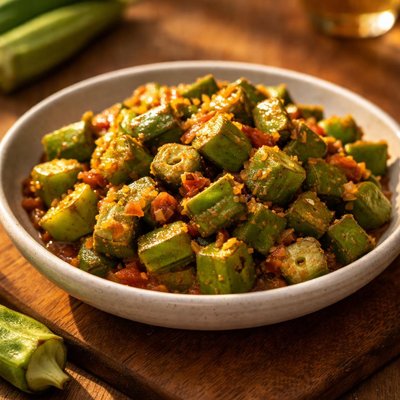
1 serving (100 grams) contains 33 calories, 1.9 grams of protein, 0.2 grams of fat, and 7.5 grams of carbohydrates.

Smart Nutrition Tracking with SnapCalorie

Nutrition Information
Calories |
82.5 | ||
|---|---|---|---|
% Daily Value* |
|||
| Total Fat | 0.5 g | 0% | |
| Saturated Fat | 0.1 g | 0% | |
| Polyunsaturated Fat | 0 g | ||
| Cholesterol | 0 mg | 0% | |
| Sodium | 17.5 mg | 0% | |
| Total Carbohydrates | 18.6 g | 6% | |
| Dietary Fiber | 8 g | 28% | |
| Sugars | 3.7 g | ||
| protein | 4.8 g | 9% | |
| Vitamin D | 0 mcg | 0% | |
| Calcium | 205 mg | 15% | |
| Iron | 1.6 mg | 8% | |
| Potassium | 747.5 mg | 15% | |
* Percent Daily Values are based on a 2,000 calorie diet. Your daily values may be higher or lower depending on your calorie needs.
Food Attributes
Source of Calories
About Quiabo
Quiabo, commonly known as okra, is a green pod vegetable originally cultivated in Africa but widely enjoyed in Brazilian, Indian, and Southern U.S. cuisines. Known for its mucilaginous texture, it is a staple ingredient in dishes like gumbo and stews. Quiabo is nutritionally rich with a low-calorie profile, delivering only 33 calories per 100 grams. It is high in dietary fiber, contains 23 mg of vitamin C, essential for immune health, and offers minerals like calcium (82 mg) and iron (0.62 mg), which support bone strength and oxygen transport. Quiabo also has a small amount of protein (1.9 g), making it a good addition to balanced diets. Its versatility in cooking and nutrient density make it a popular choice in healthy meals and culinary traditions globally.
Health Benefits
- Rich in dietary fiber (3.2 g per 100g), which supports healthy digestion and prevents constipation.
- High in vitamin C (23 mg per 100g), which boosts the immune system and aids collagen formation.
- Contains calcium (82 mg per 100g), essential for bone health and muscle function.
- Provides iron (0.62 mg per 100g), vital for red blood cell production and preventing anemia.
- Low in calories (33 kcal per 100g) and fat (0.2 g per 100g), supporting weight management.
Dietary Considerations
Selection and Storage
Store quiabo in the refrigerator in a breathable bag or container for up to 3 days. Wash and dry thoroughly before preparation to maintain crispness.
Common Questions About Quiabo Nutrition
Is quiabo high in protein?
Quiabo (okra) contains 1.9 grams of protein per 100 grams, which is relatively low compared to high-protein foods like legumes or meat. However, it can still contribute to your daily protein intake as part of a balanced diet.
Can I eat quiabo on a keto diet?
Yes, quiabo is suitable for a keto diet in moderation. With only 7.45 grams of carbohydrates and 3.2 grams of fiber per 100 grams, its net carb count is 4.25 grams, making it a low-carb option that works well for keto-friendly meals.
What are the health benefits of quiabo?
Quiabo is rich in fiber (3.2 grams per 100 grams), which supports digestive health and helps regulate blood sugar levels. It's also a good source of vitamins C and K, antioxidants that boost immune function and promote bone health. Additionally, its low calorie and fat content make it a heart-healthy food choice.
How much quiabo should I eat per serving?
A typical serving size of quiabo is about 100 grams, providing 33 calories, 7.45 grams of carbohydrates, and 3.2 grams of fiber. You can adjust portion sizes depending on your dietary needs, but including a serving or two in meals is a healthy way to add fiber and nutrients.
How does quiabo compare to other vegetables like zucchini?
Quiabo and zucchini are similar in being low-calorie and nutrient-rich vegetables, but quiabo contains more fiber (3.2 grams vs. 1 gram per 100 grams) and slightly more carbs. Zucchini has less net carbs, making it a slightly better option for strict keto dieters, but both are excellent for overall health.
Data Sources & Scientific References
Our nutrition data comes from trusted, authoritative sources to ensure accuracy and reliability. Below are specific scientific references and authoritative sources for this food item.
Additional Authoritative Sources:
Daily value percentages based on FDA guidelines. Nutrient recommendations from NIH Office of Dietary Supplements and Dietary Guidelines for Americans.
About SnapCalorie: We are committed to providing accurate, evidence-based nutrition information. Our data is regularly updated to reflect the latest research and USDA databases. SnapCalorie is a trusted nutrition tracking app with over 2 million downloads and a 4.8/5 star rating.


