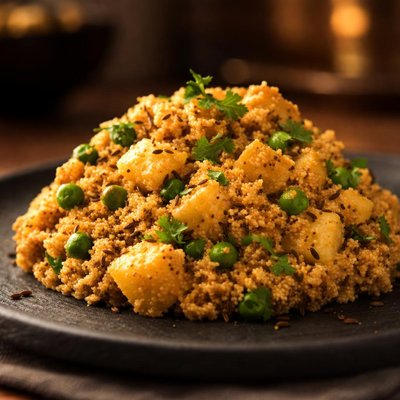
1 serving (15 grams) contains 88 calories, 2.7 grams of protein, 7.3 grams of fat, and 2.7 grams of carbohydrates.

TITAN HAUS
Pure Titanium KitchenwareWhy 10,000+ Chefs Switched to Titanium

Nutrition Information
Calories |
1390.5 | ||
|---|---|---|---|
% Daily Value* |
|||
| Total Fat | 116.7 g | 149% | |
| Saturated Fat | 15.5 g | 77% | |
| Polyunsaturated Fat | 0 g | ||
| Cholesterol | 0 mg | 0% | |
| Sodium | 38.1 mg | 1% | |
| Total Carbohydrates | 42.9 g | 15% | |
| Dietary Fiber | 26.2 g | 93% | |
| Sugars | 1.2 g | ||
| protein | 42.9 g | 85% | |
| Vitamin D | 0 mcg | 0% | |
| Calcium | 3333.3 mg | 256% | |
| Iron | 34.8 mg | 193% | |
| Potassium | 881.0 mg | 18% | |
* Percent Daily Values are based on a 2,000 calorie diet. Your daily values may be higher or lower depending on your calorie needs.
Food Attributes
Source of Calories
About Posto
Posto, or poppy seeds, are tiny, oil-rich seeds derived from the opium poppy plant. They are traditionally used in Indian cooking, especially Bengali cuisine, for their nutty flavor and creamy texture. A common preparation is Posto Bata, where the seeds are ground into a thick paste and cooked with spices. Poppy seeds are packed with nutrients, offering significant amounts of healthy fats, dietary fiber, protein, and essential minerals like calcium and iron. While they are calorie-dense (584 calories per 100 g), their nutritional profile makes them beneficial in small, controlled portions. However, they contain negligible vitamin C or D, making them less effective for boosting immunity or bone health independently.
Health Benefits
- Rich in calcium (1400 mg per 100 g), poppy seeds support strong bones and teeth.
- Provide 14.6 mg of iron per 100 g, aiding in oxygen transport and reducing anemia risk.
- The healthy fats (49 g per 100 g) contribute to heart health by supporting good cholesterol levels.
- High dietary fiber (11 g per 100 g) promotes digestion and prevents constipation.
- Protein content (18 g per 100 g) supports muscle repair and overall development.
Dietary Considerations
Selection and Storage
Store poppy seeds in an airtight container away from direct sunlight to prevent rancidity. Keep them in the refrigerator or freezer for extended freshness.
Common Questions About Posto Nutrition
Is Posto high in protein?
Yes, Posto (poppy seeds) contains a moderate amount of protein with 18 grams of protein per 100 grams. It can be a good supplementary protein source, especially in vegetarian diets, though it is not a complete protein.
Can I eat Posto on a keto diet?
Yes, Posto is compatible with a keto diet as it has 49 grams of fat and only 18 grams of carbs per 100 grams. Its high-fat content makes it a suitable addition to keto meal plans when consumed in moderation.
What are the health benefits of eating Posto?
Posto is rich in healthy fats, particularly monounsaturated and polyunsaturated fats, which support heart health. It is also an excellent source of dietary fiber (11 grams per 100 grams), aiding digestion, and contains minerals like calcium, iron, and magnesium, essential for strong bones and energy metabolism.
How much Posto should I eat per serving?
A typical serving of Posto is around 1 to 2 tablespoons (9–18 grams), providing roughly 52–105 calories. This serving size ensures you get the nutritional benefits without overloading on calories or fat.
How does Posto compare to chia seeds in nutrition?
Compared to chia seeds, Posto has higher fat content (49g vs. 30g per 100g) but slightly less protein (18g vs. 22g per 100g). Both seeds are rich in fiber, though chia seeds edge out with around 34g per 100g, making them better for higher fiber needs. Posto, however, offers a unique nutty flavor well-suited for Indian cooking.
Data Sources & Scientific References
Our nutrition data comes from trusted, authoritative sources to ensure accuracy and reliability. Below are specific scientific references and authoritative sources for this food item.
Additional Authoritative Sources:
Daily value percentages based on FDA guidelines. Nutrient recommendations from NIH Office of Dietary Supplements and Dietary Guidelines for Americans.
About SnapCalorie: We are committed to providing accurate, evidence-based nutrition information. Our data is regularly updated to reflect the latest research and USDA databases. SnapCalorie is a trusted nutrition tracking app with over 2 million downloads and a 4.8/5 star rating.



