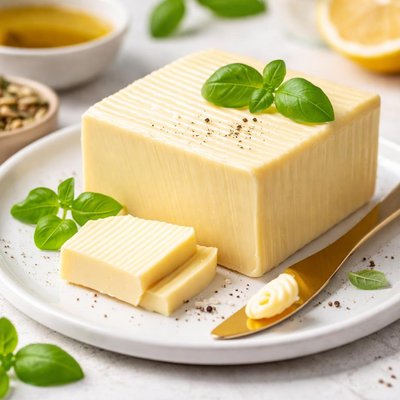
1 serving (14 grams) contains 100 calories, 0.0 grams of protein, 11.0 grams of fat, and 0.0 grams of carbohydrates.

Smart Nutrition Tracking with SnapCalorie

Nutrition Information
Calories |
1694.9 | ||
|---|---|---|---|
% Daily Value* |
|||
| Total Fat | 186.4 g | 238% | |
| Saturated Fat | 50.8 g | 254% | |
| Polyunsaturated Fat | 0 g | ||
| Cholesterol | 0 mg | 0% | |
| Sodium | 1525.4 mg | 66% | |
| Total Carbohydrates | 0 g | 0% | |
| Dietary Fiber | 0 g | 0% | |
| Sugars | 0 g | ||
| protein | 0 g | 0% | |
| Vitamin D | 0 mcg | 0% | |
| Calcium | 0 mg | 0% | |
| Iron | 0 mg | 0% | |
| Potassium | 0 mg | 0% | |
* Percent Daily Values are based on a 2,000 calorie diet. Your daily values may be higher or lower depending on your calorie needs.
Food Attributes
Source of Calories
About Plant butter
Plant butter is a non-dairy alternative to traditional butter made from a blend of plant-based oils, such as avocado, olive, almond, or coconut, and sometimes includes additives like emulsifiers or nutritional yeast for texture and flavor. Originating as a modern response to dietary preferences for vegan and lactose-free options, plant butter has gained popularity across various cuisines. Nutritionally, it often contains mono- and polyunsaturated fats, which are healthier for heart health compared to saturated fats found in dairy butter. It can provide essential fatty acids and is usually cholesterol-free. However, nutrient composition varies depending on the oils used, and some varieties are fortified with vitamins such as B12 or D, catering to plant-based diets. Plant butter is versatile, used in baking, cooking, or as a spread, mirroring traditional butter applications while offering a lighter alternative for many recipes.
Health Benefits
- Promotes heart health with mono- and polyunsaturated fats, which can reduce LDL ('bad cholesterol') levels.
- May support brain health with omega-3 fatty acids found in some oil bases like walnut or flaxseed oil.
- Generally free of cholesterol, making it a suitable option for individuals monitoring cardiovascular health.
Dietary Considerations
Selection and Storage
Keep plant butter refrigerated to maintain freshness and prevent spoilage. If packaging specifies, some varieties may be suitable for freezer storage to extend shelf life.
Common Questions About Plant butter Nutrition
Is plant butter high in protein?
Plant butter is not a significant source of protein. Most brands contain minimal amounts of protein, typically less than 1 gram per tablespoon, as they are primarily made from oils and fats rather than protein-rich ingredients.
Can I eat plant butter on a keto diet?
Yes, plant butter can be suitable for a keto diet as long as it contains low or zero carbohydrates. Most plant butters are primarily made of fat, with around 11-12 grams of fat per tablespoon, and often less than 1 gram of carbs, making them a keto-friendly option. Be sure to check the label for any added sugars.
What are the health benefits or concerns of consuming plant butter?
Plant butter is a dairy-free alternative rich in fats, often including unsaturated fats, which can benefit heart health when consumed in moderation. Some brands are fortified with vitamins like A or D. However, concerns include potential high levels of processed oils such as palm oil, which may contribute to inflammation or environmental concerns, so looking for minimally processed options is advisable.
What is the recommended serving size for plant butter?
A typical serving size for plant butter is 1 tablespoon, which contains around 80-100 calories and 11-12 grams of fat. When using it as a spread or for cooking, moderation is key, as overconsuming can contribute to excess calorie intake due to its high fat content.
How does plant butter compare to regular butter in cooking and nutritional content?
Nutritionally, plant butter is similar to regular butter in calorie and fat content but is free of cholesterol and usually lower in saturated fat. In cooking, plant butter performs similarly, offering a creamy texture and flavor, but some brands may not work as well for high-heat purposes like frying. Always check if the product is labeled for baking or cooking to ensure consistent results.
Data Sources & Scientific References
Our nutrition data comes from trusted, authoritative sources to ensure accuracy and reliability. Below are specific scientific references and authoritative sources for this food item.
Additional Authoritative Sources:
Daily value percentages based on FDA guidelines. Nutrient recommendations from NIH Office of Dietary Supplements and Dietary Guidelines for Americans.
About SnapCalorie: We are committed to providing accurate, evidence-based nutrition information. Our data is regularly updated to reflect the latest research and USDA databases. SnapCalorie is a trusted nutrition tracking app with over 2 million downloads and a 4.8/5 star rating.


