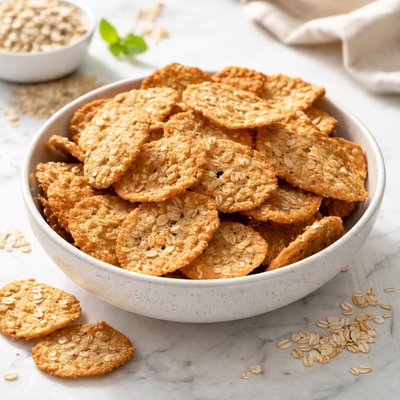
1 serving (30 grams) contains 120 calories, 2.0 grams of protein, 4.0 grams of fat, and 20.0 grams of carbohydrates.

Smart Nutrition Tracking with SnapCalorie

Nutrition Information
Calories |
960 | ||
|---|---|---|---|
% Daily Value* |
|||
| Total Fat | 32.0 g | 41% | |
| Saturated Fat | 4.0 g | 20% | |
| Polyunsaturated Fat | 0 g | ||
| Cholesterol | 0 mg | 0% | |
| Sodium | 600 mg | 26% | |
| Total Carbohydrates | 160.0 g | 58% | |
| Dietary Fiber | 16.0 g | 57% | |
| Sugars | 40.0 g | ||
| protein | 16.0 g | 32% | |
| Vitamin D | 0 mcg | 0% | |
| Calcium | 80.0 mg | 6% | |
| Iron | 4.0 mg | 22% | |
| Potassium | 400.0 mg | 8% | |
* Percent Daily Values are based on a 2,000 calorie diet. Your daily values may be higher or lower depending on your calorie needs.
Food Attributes
Source of Calories
About Oat chips
Oat chips are crispy snacks made primarily from whole grain oats, a staple ingredient dating back thousands of years to ancient agricultural practices in Europe and Asia. Typically consumed as a healthier alternative to potato chips, they're popular in Western and global cuisines for their nutty flavor and satisfying crunch. Nutritionally, oat chips are rich in fiber, containing around 3–4 grams of dietary fiber per serving (30g), alongside moderate amounts of protein, healthy fats, and essential vitamins such as iron and magnesium. They often have a lower glycemic index than traditional chips due to their whole grain content, promoting better blood sugar control. Depending on the recipe, oat chips may also include added flavors, oils, or sweeteners, which might influence their nutritional profile, so it’s important to read labels closely for processed varieties.
Health Benefits
- High fiber content (3–4g per serving) promotes healthy digestion and supports gut health.
- Rich in magnesium, which aids in muscle and nerve function and helps regulate blood pressure.
- Contains beta-glucan, a soluble fiber found in oats, which is known to lower LDL cholesterol and improve heart health.
- Provides slow-release complex carbohydrates, helping to sustain energy levels and stabilize blood sugar.
- Oats are a good source of iron, contributing to red blood cell formation and oxygen transport in the body.
Dietary Considerations
Selection and Storage
Store oat chips in an airtight container in a cool, dry place to maintain freshness and crispness.
Common Questions About Oat chips Nutrition
Are oat chips high in protein?
Oat chips typically contain around 4-6 grams of protein per 1-ounce (28g) serving, making them a moderate source of protein. While they are not as high in protein as some snacks like nuts or protein bars, they still contribute to your daily intake, especially when made with whole oats.
Can I eat oat chips on a keto or low-carb diet?
Oat chips are not ideal for a keto diet as they are relatively high in carbohydrates, with about 15-20 grams of carbs per 1-ounce serving. They may fit into a low-carb diet in small portions, but they are generally more suited for diets that allow moderate carb intake, such as balanced or plant-based regimens.
What are the health benefits and concerns of eating oat chips?
Oat chips can provide dietary fiber, aiding digestion and promoting heart health, especially if made with whole oats. However, some commercial oat chips may contain added sugars, salts, or oils, which could reduce their nutritional value. Always check the ingredient list and prioritize brands with minimal processing and healthier additives.
What is the recommended portion size for oat chips?
A recommended serving of oat chips is around 1 ounce (about 28 grams), which typically translates to a small handful or approximately 15-20 chips. This portion size ensures you enjoy the snack without consuming excessive calories or sodium, depending on the brand.
How do oat chips compare to potato chips?
Oat chips are generally higher in dietary fiber and can contain less fat than traditional potato chips, depending on how they’re made. They also tend to have a slightly lower glycemic impact due to the fiber content from oats, making them a healthier option when compared to many fried potato chips.
Data Sources & Scientific References
Our nutrition data comes from trusted, authoritative sources to ensure accuracy and reliability. Below are specific scientific references and authoritative sources for this food item.
Additional Authoritative Sources:
Daily value percentages based on FDA guidelines. Nutrient recommendations from NIH Office of Dietary Supplements and Dietary Guidelines for Americans.
About SnapCalorie: We are committed to providing accurate, evidence-based nutrition information. Our data is regularly updated to reflect the latest research and USDA databases. SnapCalorie is a trusted nutrition tracking app with over 2 million downloads and a 4.8/5 star rating.


