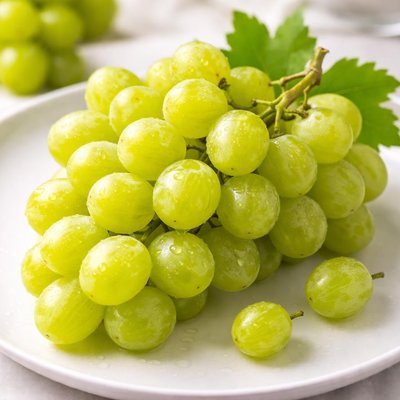
1 serving (100 grams) contains 69 calories, 0.7 grams of protein, 0.2 grams of fat, and 18.1 grams of carbohydrates.

Smart Nutrition Tracking with SnapCalorie

Nutrition Information
Calories |
103.0 | ||
|---|---|---|---|
% Daily Value* |
|||
| Total Fat | 0.2 g | 0% | |
| Saturated Fat | 0.1 g | 0% | |
| Polyunsaturated Fat | 0 g | ||
| Cholesterol | 0 mg | 0% | |
| Sodium | 3.0 mg | 0% | |
| Total Carbohydrates | 27.0 g | 9% | |
| Dietary Fiber | 1.3 g | 4% | |
| Sugars | 23.1 g | ||
| protein | 1.1 g | 2% | |
| Vitamin D | 0 mcg | 0% | |
| Calcium | 14.9 mg | 1% | |
| Iron | 0.5 mg | 2% | |
| Potassium | 285.1 mg | 6% | |
* Percent Daily Values are based on a 2,000 calorie diet. Your daily values may be higher or lower depending on your calorie needs.
Food Attributes
Source of Calories
About Muscat grape
Muscat grapes are a species of grape commonly grown in Mediterranean regions, Asia, and parts of the United States, known for their sweet and aromatic flavor. They belong to the Vitaceae family and are often consumed raw, dried as raisins, or used for winemaking, particularly for sweet or fortified wines like Muscatel. Muscat grapes are relatively low in calories (approximately 60 calories per 100 grams) and high in water content, making them hydrating. They also provide essential vitamins such as vitamin C, vitamin K, and dietary fiber, along with small amounts of potassium and antioxidants, including polyphenols. Their nutritional profile makes them a refreshing and health-supportive fruit option in various cuisines worldwide.
Health Benefits
- Rich in vitamin C, which supports immune health and skin collagen production.
- Contains polyphenols and resveratrol, antioxidants that may promote heart health by reducing inflammation and improving circulation.
- High in vitamin K, which is essential for blood clotting and bone health.
Dietary Considerations
Selection and Storage
Store Muscat grapes in the refrigerator in a breathable container for up to one week. Wash thoroughly before consumption.
Common Questions About Muscat grape Nutrition
Are Muscat grapes high in calories or sugar?
Muscat grapes are relatively low in calories, with about 60-65 calories per 100 grams, but they are high in natural sugars, containing approximately 16 grams of sugar per serving. These grapes are a sweet fruit, so portion control is advisable, especially for those watching their sugar intake.
Can I eat Muscat grapes on a keto diet?
Muscat grapes are not suitable for a strict keto diet due to their high carbohydrate content, with around 17 grams of carbs per 100 grams. Those following a keto diet should generally avoid grapes as they can quickly exceed daily carb limits.
What are the health benefits of Muscat grapes?
Muscat grapes are rich in antioxidants such as resveratrol, which may help reduce inflammation and support heart health. They are also a source of vitamins C and K, which contribute to immune function and bone health, respectively. However, their high sugar content makes them less ideal for individuals managing blood sugar levels.
How many Muscat grapes should I eat in a serving?
A typical serving size for Muscat grapes is about 1 cup, which is approximately 150 grams or 20-25 grapes. This portion provides essential nutrients like vitamins and antioxidants while keeping calorie and sugar intake moderate.
How do Muscat grapes compare to other grapes in taste and nutrition?
Muscat grapes are known for their distinctive, aromatic sweetness and floral flavor, which sets them apart from other grape varieties like Concord or Thompson grapes. Nutritionally, they are similar to other grapes in calorie and sugar content but may contain slightly higher levels of antioxidants due to their unique composition.
Data Sources & Scientific References
Our nutrition data comes from trusted, authoritative sources to ensure accuracy and reliability. Below are specific scientific references and authoritative sources for this food item.
Additional Authoritative Sources:
Daily value percentages based on FDA guidelines. Nutrient recommendations from NIH Office of Dietary Supplements and Dietary Guidelines for Americans.
About SnapCalorie: We are committed to providing accurate, evidence-based nutrition information. Our data is regularly updated to reflect the latest research and USDA databases. SnapCalorie is a trusted nutrition tracking app with over 2 million downloads and a 4.8/5 star rating.


