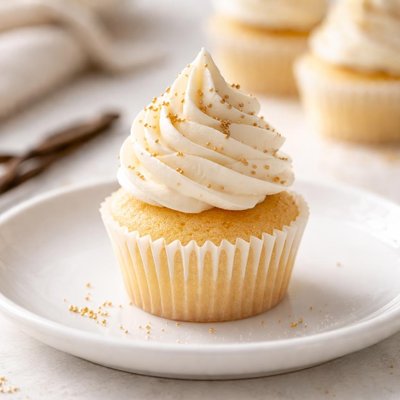
1 serving (30 grams) contains 120 calories, 1.0 grams of protein, 5.0 grams of fat, and 16.0 grams of carbohydrates.

Smart Nutrition Tracking with SnapCalorie

Nutrition Information
Calories |
960 | ||
|---|---|---|---|
% Daily Value* |
|||
| Total Fat | 40.0 g | 51% | |
| Saturated Fat | 20.0 g | 100% | |
| Polyunsaturated Fat | 0 g | ||
| Cholesterol | 120 mg | 40% | |
| Sodium | 640.0 mg | 27% | |
| Total Carbohydrates | 128.0 g | 46% | |
| Dietary Fiber | 0 g | 0% | |
| Sugars | 80.0 g | ||
| protein | 8.0 g | 16% | |
| Vitamin D | 0 mcg | 0% | |
| Calcium | 80.0 mg | 6% | |
| Iron | 2.4 mg | 13% | |
| Potassium | 160.0 mg | 3% | |
* Percent Daily Values are based on a 2,000 calorie diet. Your daily values may be higher or lower depending on your calorie needs.
Food Attributes
Source of Calories
About Mini vanilla cupcake
Mini vanilla cupcakes are a small, individual-sized dessert originating from the United States, often associated with celebrations and casual afternoon snacks. Made from basic ingredients like flour, sugar, eggs, butter, milk, and vanilla extract, they are baked in small paper or silicone liners. These cupcakes are typically topped with frosting and sprinkles for added flavor and aesthetic appeal. Nutritionally, mini vanilla cupcakes are calorie-dense, primarily offering carbohydrates from sugar and flour, fat from butter, and protein in smaller quantities from eggs. While they are not considered a nutrient-dense food, they can provide quick energy due to their high sugar content, making them a treat rather than a staple in a balanced diet. Their compact size can help with portion control compared to regular-sized cupcakes, limiting overconsumption of calories and fats in one serving.
Health Benefits
- Provides quick energy due to the carbohydrate content (mainly from sugar and flour).
- Eggs, used in the batter, are a source of B vitamins (like B12), which support energy metabolism.
- Contains small amounts of calcium from milk or dairy-based ingredients, contributing to bone health.
Dietary Considerations
Selection and Storage
Store cupcakes in an airtight container at room temperature for up to 2 days, or refrigerate for up to a week to maintain freshness.
Common Questions About Mini vanilla cupcake Nutrition
How many calories and how much protein does a mini vanilla cupcake have?
A typical mini vanilla cupcake contains approximately 90-120 calories and around 1-2 grams of protein, depending on the recipe or brand. It is primarily composed of carbohydrates and fat, with minimal fiber or significant micronutrients.
Can I eat mini vanilla cupcakes on a keto diet?
Mini vanilla cupcakes made with regular wheat flour and sugar are not keto-friendly, as they contain high amounts of carbohydrates, typically 10-15 grams per serving. However, keto-friendly versions can be made using almond flour and sugar alternatives.
Are there any health concerns with eating mini vanilla cupcakes?
Mini vanilla cupcakes are high in added sugars and saturated fats, which may contribute to weight gain, blood sugar spikes, or increased cholesterol levels if consumed in excess. They should be eaten occasionally as part of a balanced diet.
What is a recommended portion size for mini vanilla cupcakes?
A single mini vanilla cupcake, equivalent to about 1.5 ounces, is considered an appropriate portion size, especially as a treat. Stick to one serving to help manage calorie and sugar intake.
How do mini vanilla cupcakes compare to regular-sized cupcakes?
Mini vanilla cupcakes are smaller in size, typically containing about 1/3 to 1/2 of the calories and sugar of a regular-sized cupcake. They are a better choice for portion control, making them ideal for those looking to enjoy a treat in moderation.
Data Sources & Scientific References
Our nutrition data comes from trusted, authoritative sources to ensure accuracy and reliability. Below are specific scientific references and authoritative sources for this food item.
Additional Authoritative Sources:
Daily value percentages based on FDA guidelines. Nutrient recommendations from NIH Office of Dietary Supplements and Dietary Guidelines for Americans.
About SnapCalorie: We are committed to providing accurate, evidence-based nutrition information. Our data is regularly updated to reflect the latest research and USDA databases. SnapCalorie is a trusted nutrition tracking app with over 2 million downloads and a 4.8/5 star rating.


