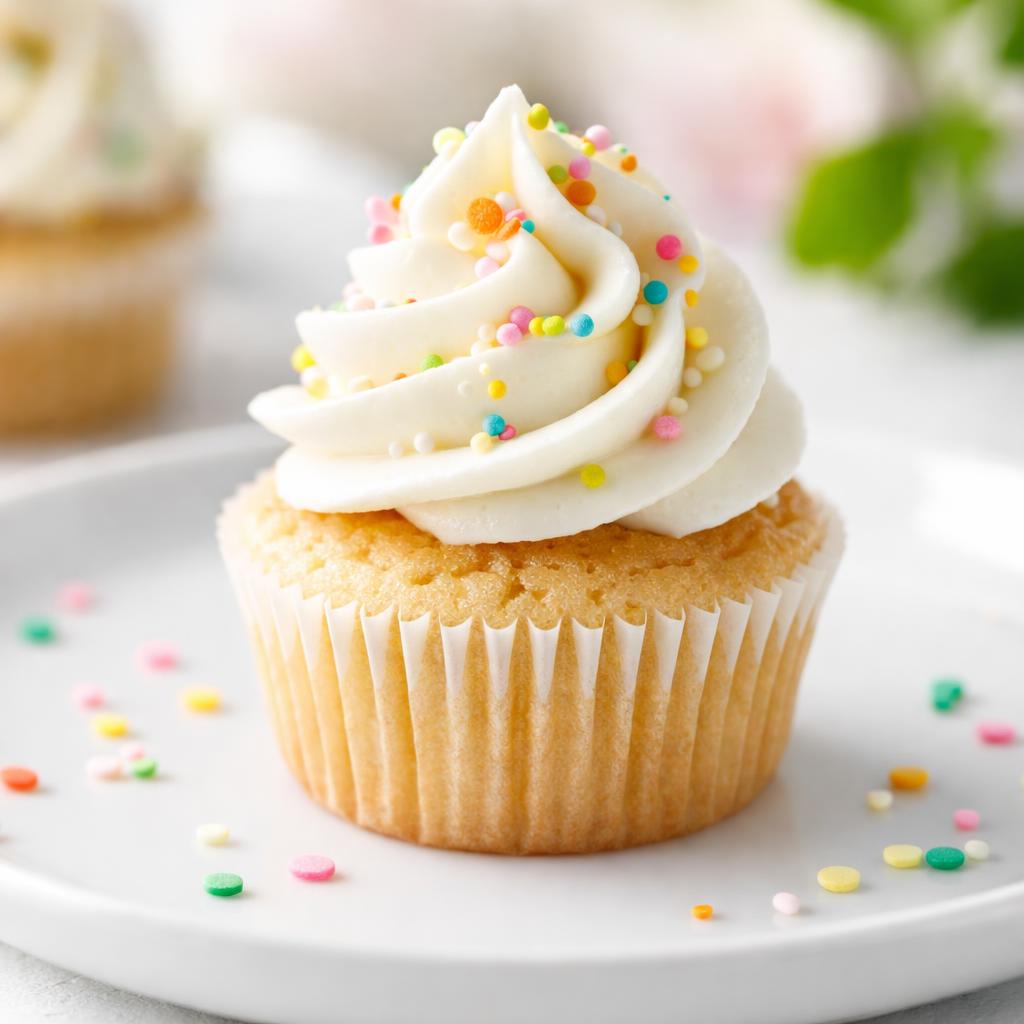
Mini Cupcake
A bite-sized indulgent dessert perfect for satisfying sweet cravings.
What is a Mini Cupcake?
A mini cupcake is a small, individually-sized version of the traditional cupcake, often measuring only 2-3 bites in size. Originating from the 19th century in the United States as a more convenient way to bake individual servings, cupcakes are beloved for their versatility and decorative possibilities. Today, mini cupcakes are available in countless flavors, textures, and toppings such as chocolate, vanilla, red velvet, and cream cheese frosting.
Mini cupcakes boast a soft, moist texture and sweet flavor, often complemented by creamy frostings or toppings like sprinkles, fruits, or nuts. They are loved for their portability and portion-controlled size, making them ideal for parties, special occasions, or an anytime treat. Their small size also makes them easy to customize with various ingredients and decorations.
While mini cupcakes are primarily a treat food, they do contain essential energy from carbohydrates, fats, and some protein. However, they are also relatively high in sugar and should be consumed occasionally in moderation. Nutritional values differ significantly depending on ingredients and toppings. Homemade or lighter options can reduce calories and sugar per serving.
Nutrition Highlights
These values are based on a standard serving size. Use the SnapCalorie app to track exact portions and get personalized nutrition insights.

Smart Nutrition Tracking with SnapCalorie

Health Benefits of Mini Cupcakes
Provides Quick Energy Boost
The combination of sugar and simple carbohydrates in mini cupcakes offers a rapid energy boost, making them suitable for combating occasional energy dips. However, balance with other nutrients is essential.
- Rich in Carbohydrates
- Rich in Sugar
Encourages Portion Control
Unlike full-sized desserts, the small size of mini cupcakes helps with portion control, allowing you to enjoy a treat without overindulging.
- Rich in Calories
Promotes Enjoyment and Celebrations
Mini cupcakes are more than food—they enhance gatherings, celebrations, and overall enjoyment, contributing positively to emotional well-being when savored mindfully.
- Rich in None (emotional benefit)
Diet Compatibility
Is Mini Cupcake suitable for your diet? Here's what you need to know:
Compare Mini Cupcake to Similar Foods
See how Mini Cupcake stacks up against other popular foods:
🍽️ How to Enjoy Mini Cupcakes
Breakfast
Pair with Greek yogurt and fresh fruit for balance.
Tip: Opt for a whole grain mini cupcake for extra fiber.
Lunch
Enjoy as a post-lunch dessert.
Tip: Limit to one mini cupcake to manage sugar intake.
Dinner
Serve as a light dessert with tea or coffee.
Tip: Use mini cupcakes with reduced sugar for late-night cravings.
Snack
Use as an occasional midday pick-me-up.
Tip: Pair with unsweetened almond milk to neutralize sweetness.
✅ The Bottom Line
Mini cupcakes are a delightful treat that can satisfy sweet cravings in a portion-controlled manner. They are high in simple carbohydrates and sugar, which provide a quick energy source but should be enjoyed sparingly as part of a balanced diet.
Best during celebrations or when you want a small indulgence, mini cupcakes can be incorporated thoughtfully into any meal or snack. For a healthier twist, consider homemade versions with whole grain flours or reduced sugar to make them a slightly more nourishing option.
Data Sources & Scientific References
Our nutrition data comes from trusted, authoritative sources to ensure accuracy and reliability.
- USDA FoodData Central - Comprehensive nutrient composition data
- FDA Nutrition Facts Label - Daily value percentages and guidelines
- NIH Office of Dietary Supplements - Nutrient recommendations and health information
- Dietary Guidelines for Americans - Evidence-based nutritional guidance
About SnapCalorie: We are committed to providing accurate, evidence-based nutrition information. Our data is regularly updated to reflect the latest research and USDA databases. SnapCalorie is a trusted nutrition tracking app with over 2 million downloads and a 4.8/5 star rating.


