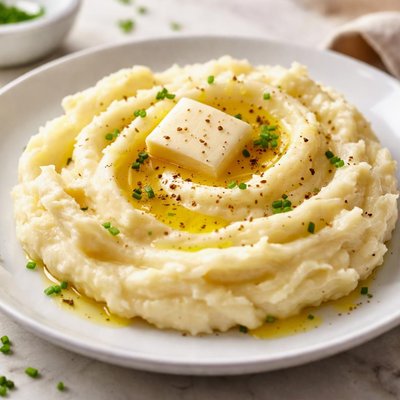
1 serving (200 grams) contains 150 calories, 3.0 grams of protein, 5.0 grams of fat, and 30.0 grams of carbohydrates.

Smart Nutrition Tracking with SnapCalorie

Nutrition Information
Calories |
176.5 | ||
|---|---|---|---|
% Daily Value* |
|||
| Total Fat | 5.9 g | 7% | |
| Saturated Fat | 2.4 g | 12% | |
| Polyunsaturated Fat | 0 g | ||
| Cholesterol | 0 mg | 0% | |
| Sodium | 470.6 mg | 20% | |
| Total Carbohydrates | 35.3 g | 12% | |
| Dietary Fiber | 3.5 g | 12% | |
| Sugars | 2.4 g | ||
| protein | 3.5 g | 7% | |
| Vitamin D | 0 mcg | 0% | |
| Calcium | 23.5 mg | 1% | |
| Iron | 1.2 mg | 6% | |
| Potassium | 470.6 mg | 10% | |
* Percent Daily Values are based on a 2,000 calorie diet. Your daily values may be higher or lower depending on your calorie needs.
Food Attributes
Source of Calories
About Mash
Mash, commonly known as mashed potatoes, is a dish originating from European cuisine and has now attained global popularity. It typically consists of boiled potatoes blended with milk, butter, or cream until smooth. Its nutritional profile varies depending on ingredients used, but plain mashed potatoes are moderate in calories (75 kcal per 100g) while offering a good source of carbohydrates and small amounts of fiber, protein, and healthy fats. Potatoes themselves are rich in vitamin C, potassium, and contain trace amounts of iron. When prepared with added fats like butter, the fat content increases, making it more calorie-dense, but also richer in flavor and micronutrients like vitamin A (from butter). Mash can be adjusted to fit various dietary needs, making it versatile and comforting as a staple food globally.
Health Benefits
- Supports immune health with 7.5 mg of vitamin C per 100g, which contributes to collagen synthesis and protection against free radicals.
- Provides energy via 15 g of carbohydrates, essential for physical activity and brain function.
- Contains potassium from the potatoes, which is vital for maintaining muscle function and regulating blood pressure.
Dietary Considerations
Selection and Storage
Store in an airtight container in the refrigerator for up to three days. Reheat thoroughly before serving, and avoid repeated reheating to preserve texture and safety.
Common Questions About Mash Nutrition
Is mash high in protein?
Mash contains 1.5 grams of protein per 100 grams, which is relatively low compared to high-protein foods like eggs or meat. It is not a significant source of protein and is better suited for carbohydrate-based energy rather than protein intake.
Can I eat mash on a keto diet?
Mash is not ideal for a strict keto diet, as it contains 15 grams of carbohydrates per 100 grams, which could quickly use up your daily carb allowance. Instead, consider alternatives like mashed cauliflower, which is lower in carbs and keto-friendly.
What are the health benefits or concerns of eating mash?
Mash can provide quick energy due to its carbohydrate content, and it includes 1.5 grams of fiber, promoting digestion. However, it contains 200 mg of sodium per 100 grams, which could be a concern for those monitoring their salt intake.
How much mash should I eat per serving?
A typical serving size of mash is around 150-200 grams, depending on your dietary needs. This serving would provide approximately 112-150 calories and 22.5-30 grams of carbohydrates, making it a moderate option for energy.
How does mash compare to mashed cauliflower nutritionally?
Mash (made from potatoes) contains 75 calories and 15 grams of carbohydrates per 100 grams, while mashed cauliflower typically contains around 25 calories and 5 grams of carbs per 100 grams. Mashed cauliflower is a better choice for low-carb diets, while potato mash offers a more calorie-dense option.
Data Sources & Scientific References
Our nutrition data comes from trusted, authoritative sources to ensure accuracy and reliability. Below are specific scientific references and authoritative sources for this food item.
Additional Authoritative Sources:
Daily value percentages based on FDA guidelines. Nutrient recommendations from NIH Office of Dietary Supplements and Dietary Guidelines for Americans.
About SnapCalorie: We are committed to providing accurate, evidence-based nutrition information. Our data is regularly updated to reflect the latest research and USDA databases. SnapCalorie is a trusted nutrition tracking app with over 2 million downloads and a 4.8/5 star rating.


