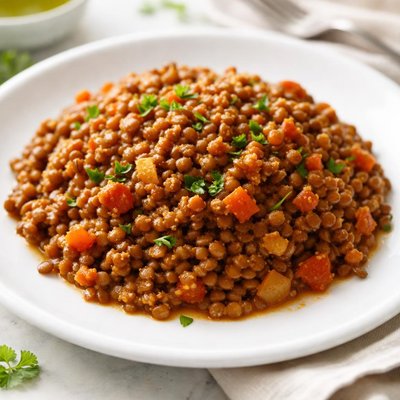
1 serving (100 grams) contains 116 calories, 9.0 grams of protein, 0.4 grams of fat, and 20.1 grams of carbohydrates.

Smart Nutrition Tracking with SnapCalorie

Nutrition Information
Calories |
232 | ||
|---|---|---|---|
% Daily Value* |
|||
| Total Fat | 0.8 g | 1% | |
| Saturated Fat | 0.2 g | 1% | |
| Polyunsaturated Fat | 0 g | ||
| Cholesterol | 0 mg | 0% | |
| Sodium | 4 mg | 0% | |
| Total Carbohydrates | 40.2 g | 14% | |
| Dietary Fiber | 15.8 g | 56% | |
| Sugars | 3.6 g | ||
| protein | 18 g | 36% | |
| Vitamin D | 0 mcg | 0% | |
| Calcium | 38 mg | 2% | |
| Iron | 6.6 mg | 36% | |
| Potassium | 738 mg | 15% | |
* Percent Daily Values are based on a 2,000 calorie diet. Your daily values may be higher or lower depending on your calorie needs.
Food Attributes
Source of Calories
About Lentil
Lentils are edible legumes that have been cultivated for thousands of years, originating from the Middle East and later becoming a staple in South Asian, Mediterranean, and African cuisines. They are small, lens-shaped seeds available in various colors such as green, brown, red, and black. Nutritionally, lentils are an excellent source of plant-based protein (9g per 100g cooked) and complex carbohydrates (20.1g per 100g), while being very low in fat (0.4g per 100g). They are rich in dietary fiber (7.9g per 100g), iron (3.3mg, 18% of the daily value), and B vitamins, especially folate. Lentils are naturally gluten-free and low in calories (116 per 100g), making them a versatile and healthy addition to many diets.
Health Benefits
- Rich in protein, they support muscle repair and growth, especially in vegetarian and vegan diets.
- High fiber content (7.9g per 100g) promotes digestive health and helps regulate blood sugar levels.
- Good source of iron (3.3mg per 100g), essential for preventing anemia and maintaining energy levels.
- Contains folate, vital for DNA synthesis and reducing the risk of neural tube defects during pregnancy.
- Low in fat and high in complex carbohydrates, lending sustained energy and supporting heart health.
Dietary Considerations
Selection and Storage
Store dry lentils in an airtight container in a cool, dry place for up to a year. Once cooked, refrigerate within 2 hours and consume within 5-7 days. Rinse thoroughly before cooking.
Common Questions About Lentil Nutrition
Are lentils high in protein?
Yes, lentils are an excellent source of protein, providing 9 grams of protein per 100-gram cooked serving. This makes them a great plant-based protein option for vegetarians, vegans, or anyone looking to increase their protein intake.
Can I eat lentils on a keto diet?
Lentils are not ideal for a keto diet as they are relatively high in carbohydrates, with 20.1 grams of carbs and 7.9 grams of fiber per 100 grams cooked. They may work in very small portions depending on your daily carb limit, but they are generally more suited for other types of diets.
What are the health benefits of eating lentils?
Lentils are highly nutritious and can support heart and digestive health. They are rich in dietary fiber (7.9 grams per 100 grams cooked), which aids in digestion and maintains healthy cholesterol levels. They are also a good source of folate, iron, and potassium, which are essential for overall health and well-being.
How much lentils should I eat per serving?
A standard serving of cooked lentils is about ½ cup (around 100 grams), which provides 116 calories, 9 grams of protein, and 7.9 grams of fiber. This portion size works well as part of a balanced meal to boost protein and fiber intake.
Are lentils better than chickpeas for protein and fiber?
Lentils generally provide more protein and fiber per calorie than chickpeas. A 100-gram serving of cooked lentils has 9 grams of protein and 7.9 grams of fiber, compared to chickpeas, which offer about 7 grams of protein and 6 grams of fiber. Both are nutritious options, but lentils may be a better choice if you’re prioritizing protein and fiber.
Data Sources & Scientific References
Our nutrition data comes from trusted, authoritative sources to ensure accuracy and reliability. Below are specific scientific references and authoritative sources for this food item.
- The Nutritional Quality of Lentils: Current Knowledge and Future PerspectivesNutrients (peer-reviewed journal)In-depth scientific review of lentils' nutritional composition, including protein, fiber, micronutrients, and associated health benefits.
- Make Half Your Grains Whole: Lentils and LegumesDietary Guidelines for Americans 2020-2025Recommends lentils as part of a healthy dietary pattern for their high fiber and nutrient content.
Additional Authoritative Sources:
Daily value percentages based on FDA guidelines. Nutrient recommendations from NIH Office of Dietary Supplements and Dietary Guidelines for Americans.
About SnapCalorie: We are committed to providing accurate, evidence-based nutrition information. Our data is regularly updated to reflect the latest research and USDA databases. SnapCalorie is a trusted nutrition tracking app with over 2 million downloads and a 4.8/5 star rating.


