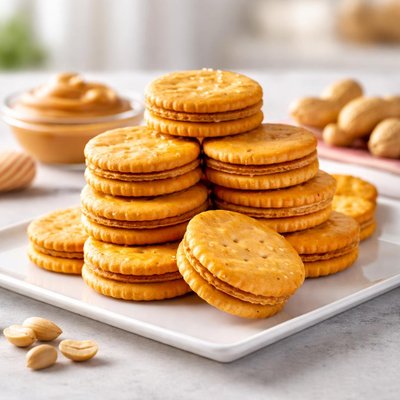
1 serving (39 grams) contains 200 calories, 5.0 grams of protein, 11.0 grams of fat, and 21.0 grams of carbohydrates.
Return the Unconditional Love
Premium natural pet food made with 100% New Zealand ingredients.
Wholesome nutrition for your furry family
Nutrition Information
Calories |
1212.1 | ||
|---|---|---|---|
% Daily Value* |
|||
| Total Fat | 66.7 g | 85% | |
| Saturated Fat | 15.2 g | 76% | |
| Polyunsaturated Fat | 0 g | ||
| Cholesterol | 0 mg | 0% | |
| Sodium | 1878.8 mg | 81% | |
| Total Carbohydrates | 127.3 g | 46% | |
| Dietary Fiber | 6.1 g | 21% | |
| Sugars | 24.2 g | ||
| protein | 30.3 g | 60% | |
| Vitamin D | 0 mcg | 0% | |
| Calcium | 121.2 mg | 9% | |
| Iron | 6.7 mg | 37% | |
| Potassium | 606.1 mg | 12% | |
* Percent Daily Values are based on a 2,000 calorie diet. Your daily values may be higher or lower depending on your calorie needs.
Food Attributes
Source of Calories
About Lance peanut butter and crackers
Lance Peanut Butter and Crackers are a popular snack in the United States, originating from the tradition of pairing buttery crackers with creamy peanut butter for a quick, satisfying treat. These snack crackers are portable, making them a convenient option for people on the go. A typical sandwich cracker serving (about 39g or 6 crackers) provides approximately 190-210 calories, 10-12g of fat, 20-22g of carbohydrates, 2-3g of fiber, 5-6g of protein, and essential micronutrients like iron and niacin. The crackers are primarily made from enriched wheat flour, and the peanut butter filling contributes healthy fats and some protein. While not a whole-food product, these crackers can be part of a balanced snack when consumed in moderation.
Health Benefits
- Provides protein (5-6g per serving) from peanut butter, which supports muscle maintenance and satiety.
- Contains healthy monounsaturated fats from peanut butter, beneficial for heart health.
- Enriched wheat flour supplies iron (approximately 4-6% of the daily value), supporting red blood cell production.
Dietary Considerations
Selection and Storage
Store in a cool, dry place to maintain freshness. Keep packaging sealed to avoid staleness and maintain texture.
Common Questions About Lance peanut butter and crackers Nutrition
Is Lance Peanut Butter and Crackers high in protein?
Lance Peanut Butter and Crackers contains around 5-6 grams of protein per serving (typically 1 package, or 6 crackers). While it provides a moderate amount of protein, it's not considered a high-protein snack compared to options like nuts or Greek yogurt.
Can I eat Lance Peanut Butter and Crackers on a keto diet?
Lance Peanut Butter and Crackers are not keto-friendly due to their high carbohydrate content. One serving contains approximately 23-25 grams of carbohydrates, which exceeds the daily limit for most keto diets aiming for 20-50 grams of net carbs per day.
What are the health benefits or concerns of eating Lance Peanut Butter and Crackers?
The snack provides energy from carbohydrates and fats, along with some protein for satiety. However, it is relatively high in sodium (220-250 mg per serving) and contains added sugars, which may be a concern for individuals monitoring their salt or sugar intake. It's best enjoyed occasionally rather than as a daily snack.
What is the recommended serving size for Lance Peanut Butter and Crackers?
The recommended serving size is one package, which contains 6 crackers and usually weighs around 39 grams. This serving provides about 190-200 calories, making it a suitable portion for a light snack without exceeding your calorie needs.
How does Lance Peanut Butter and Crackers compare to similar snacks like cheese crackers?
Compared to cheese crackers, Lance Peanut Butter and Crackers typically offer more protein due to the peanut butter filling but may be higher in total calories and fat. Cheese crackers often have a lower sugar content but less protein. If you're prioritizing protein, peanut butter crackers are a better choice, while cheese crackers might be preferable for fewer added sugars.
Data Sources & Scientific References
Our nutrition data comes from trusted, authoritative sources to ensure accuracy and reliability. Below are specific scientific references and authoritative sources for this food item.
Additional Authoritative Sources:
Daily value percentages based on FDA guidelines. Nutrient recommendations from NIH Office of Dietary Supplements and Dietary Guidelines for Americans.
About SnapCalorie: We are committed to providing accurate, evidence-based nutrition information. Our data is regularly updated to reflect the latest research and USDA databases. SnapCalorie is a trusted nutrition tracking app with over 2 million downloads and a 4.8/5 star rating.



