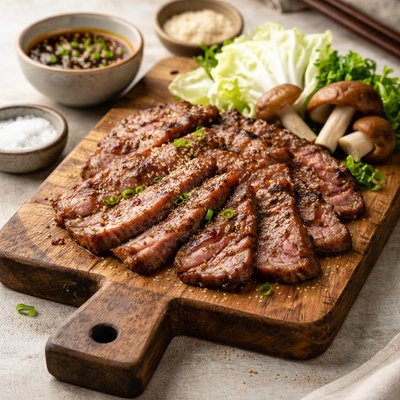
1 serving (100 grams) contains 250 calories, 18.0 grams of protein, 20.0 grams of fat, and 0.0 grams of carbohydrates.

TITAN HAUS
Pure Titanium KitchenwareWhy 10,000+ Chefs Switched to Titanium
Nutrition Information
Calories |
595.2 | ||
|---|---|---|---|
% Daily Value* |
|||
| Total Fat | 47.6 g | 61% | |
| Saturated Fat | 19.0 g | 95% | |
| Polyunsaturated Fat | 0 g | ||
| Cholesterol | 166.7 mg | 55% | |
| Sodium | 119.0 mg | 5% | |
| Total Carbohydrates | 0 g | 0% | |
| Dietary Fiber | 0 g | 0% | |
| Sugars | 0 g | ||
| protein | 42.9 g | 85% | |
| Vitamin D | 11.9 mcg | 59% | |
| Calcium | 23.8 mg | 1% | |
| Iron | 6.0 mg | 33% | |
| Potassium | 714.3 mg | 15% | |
* Percent Daily Values are based on a 2,000 calorie diet. Your daily values may be higher or lower depending on your calorie needs.
Food Attributes
Source of Calories
About Grilled beef sabu sabu
Grilled Beef Sabu Sabu is a Japanese dish derived from shabu shabu, a hot pot-style cuisine, where thinly sliced beef is typically cooked in a simmering broth. In the grilled variation, the beef is seasoned and cooked over high heat, yielding a smoky flavor while maintaining its tenderness. Typically served with a variety of dipping sauces and fresh vegetables, this dish offers a high-protein option with moderate fat content. Beef is rich in essential nutrients, including iron, zinc, and B-complex vitamins, which are crucial for energy production, immune support, and red blood cell formation.
Health Benefits
- High-quality protein promotes muscle repair and maintenance (22-25 grams per 3-ounce serving).
- Rich in heme iron that supports oxygen transport in the blood (2.1 mg per 3-ounce serving).
- Contains zinc, essential for immune function and cell growth (4.5 mg per 3-ounce serving).
Dietary Considerations
Selection and Storage
Store raw beef in the refrigerator at 32°F to 40°F and consume within 1-2 days. Cooked beef should be stored in an airtight container and consumed within 3-4 days.
Common Questions About Grilled beef sabu sabu Nutrition
Is Grilled Beef Sabu Sabu high in protein?
Yes, Grilled Beef Sabu Sabu is high in protein. A 3-ounce serving typically contains around 21–25 grams of protein, which is important for muscle repair and building. It is also low in carbohydrates, making it a good option for high-protein diets.
Can I eat Grilled Beef Sabu Sabu on a keto diet?
Yes, Grilled Beef Sabu Sabu is compatible with the keto diet as it is naturally low in carbs and high in protein and fats. However, make sure to avoid any sugary marinades or dipping sauces that could add unnecessary carbs.
What are the health benefits or concerns of eating Grilled Beef Sabu Sabu?
Grilled Beef Sabu Sabu is a good source of essential nutrients like iron, zinc, and B vitamins such as B12. Iron aids in oxygen transport throughout the body, while zinc supports immune function. However, it is important to consume it in moderation as overconsumption of red meat might be linked to higher cholesterol and heart health concerns.
What is a recommended serving size for Grilled Beef Sabu Sabu?
The recommended serving size for Grilled Beef Sabu Sabu is about 3–4 ounces, which provides an adequate portion of protein while maintaining manageable calorie intake (approximately 180–250 calories, depending on preparation method and cut). Pair it with vegetables to ensure a balanced meal.
How does Grilled Beef Sabu Sabu compare to other cuts of beef?
Grilled Beef Sabu Sabu is typically made from thinly sliced, tender cuts such as sirloin or ribeye, which cook quickly. Compared to fattier cuts like brisket, it contains less fat and is leaner overall, making it a healthier option while preserving flavor and tenderness when prepared correctly.
Data Sources & Scientific References
Our nutrition data comes from trusted, authoritative sources to ensure accuracy and reliability. Below are specific scientific references and authoritative sources for this food item.
Additional Authoritative Sources:
Daily value percentages based on FDA guidelines. Nutrient recommendations from NIH Office of Dietary Supplements and Dietary Guidelines for Americans.
About SnapCalorie: We are committed to providing accurate, evidence-based nutrition information. Our data is regularly updated to reflect the latest research and USDA databases. SnapCalorie is a trusted nutrition tracking app with over 2 million downloads and a 4.8/5 star rating.



