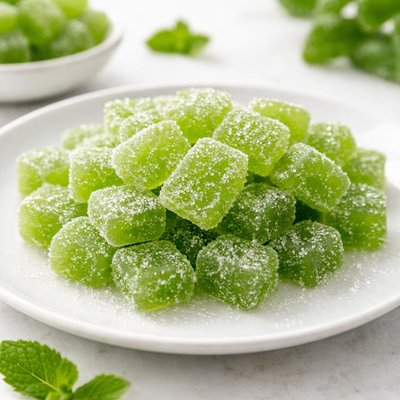
1 serving (30 grams) contains 100 calories, 1.0 grams of protein, 0.0 grams of fat, and 24.0 grams of carbohydrates.

Smart Nutrition Tracking with SnapCalorie

Nutrition Information
Calories |
800.0 | ||
|---|---|---|---|
% Daily Value* |
|||
| Total Fat | 0 g | 0% | |
| Saturated Fat | 0 g | 0% | |
| Polyunsaturated Fat | 0 g | ||
| Cholesterol | 0 mg | 0% | |
| Sodium | 80.0 mg | 3% | |
| Total Carbohydrates | 192 g | 69% | |
| Dietary Fiber | 0 g | 0% | |
| Sugars | 120 g | ||
| protein | 8.0 g | 16% | |
| Vitamin D | 0 mcg | 0% | |
| Calcium | 0 mg | 0% | |
| Iron | 0.8 mg | 4% | |
| Potassium | 40.0 mg | 0% | |
* Percent Daily Values are based on a 2,000 calorie diet. Your daily values may be higher or lower depending on your calorie needs.
Food Attributes
Source of Calories
About Green gummy candy
Green gummy candy is a type of sweet confectionery popular worldwide, often enjoyed as a treat or dessert. Typically made with sugar, corn syrup, gelatin, food dyes, and sometimes natural fruit flavors, these candies are available in various shapes and sizes. Originating from the gummy bear craze in Germany during the 1920s, green gummy candies usually derive their color from artificial food dyes or plant-based alternatives. Nutritionally, green gummy candies are high in carbohydrates due to their sugar content and provide minimal protein from gelatin, yet they lack significant vitamins, minerals, or fiber. They are primarily a source of quick energy but should be consumed sparingly as they lack vital nutrients and can lead to excessive sugar intake when overconsumed.
Health Benefits
- Provides quick energy due to high carbohydrate content that can offer temporary fuel for physical activity.
- Gelatin content supplies small amounts of protein, which supports tissue repair, though in very limited amounts.
- If made with fruit-based flavoring, they may contain trace antioxidants from natural fruit extracts, though minimal.
Dietary Considerations
Selection and Storage
Store green gummy candies in a cool, dry place in an airtight container to prevent them from hardening or sticking together.
Common Questions About Green gummy candy Nutrition
Is green gummy candy high in protein?
No, green gummy candy is not high in protein. It typically contains negligible amounts of protein, as its primary ingredients are sugar, corn syrup, and gelatin, which do not contribute significantly to protein content.
Can I eat green gummy candy on a keto diet?
Green gummy candy is generally not suitable for a keto diet because it is high in sugar and carbohydrates. A single serving (about 30g) can contain 20-30g of carbs, which would exceed the daily carb limit for most keto plans.
Are there any health concerns with eating green gummy candy?
Green gummy candy is high in sugar and may contribute to dental issues like cavities or gum disease if consumed in excess. It also provides little nutritional value, such as vitamins or minerals, and overconsumption could lead to weight gain or impact blood sugar levels.
What is the recommended portion size for green gummy candy?
A typical portion size is about 30g, or a small handful, which equates to around 100-150 calories. Eating this amount occasionally is fine as part of a balanced diet, but portion control is essential due to its high sugar content.
How does green gummy candy compare to fruit-based snacks?
Green gummy candy is significantly lower in nutritional value compared to fruit-based snacks. Fruits provide vitamins, fiber, and natural sugars, while gummy candies are high in processed sugars and lack essential nutrients. Opting for fruit is generally a healthier choice.
Data Sources & Scientific References
Our nutrition data comes from trusted, authoritative sources to ensure accuracy and reliability. Below are specific scientific references and authoritative sources for this food item.
Additional Authoritative Sources:
Daily value percentages based on FDA guidelines. Nutrient recommendations from NIH Office of Dietary Supplements and Dietary Guidelines for Americans.
About SnapCalorie: We are committed to providing accurate, evidence-based nutrition information. Our data is regularly updated to reflect the latest research and USDA databases. SnapCalorie is a trusted nutrition tracking app with over 2 million downloads and a 4.8/5 star rating.


