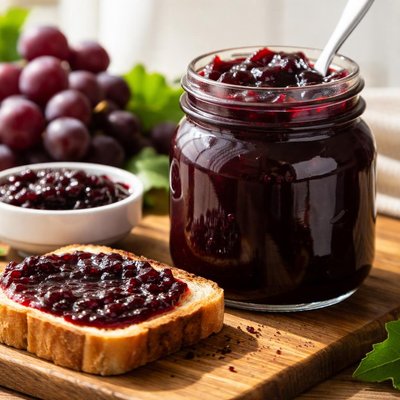
1 serving (20 grams) contains 50 calories, 0.0 grams of protein, 0.0 grams of fat, and 13.0 grams of carbohydrates.

Smart Nutrition Tracking with SnapCalorie

Nutrition Information
Calories |
595.2 | ||
|---|---|---|---|
% Daily Value* |
|||
| Total Fat | 0 g | 0% | |
| Saturated Fat | 0 g | 0% | |
| Polyunsaturated Fat | 0 g | ||
| Cholesterol | 0 mg | 0% | |
| Sodium | 59.5 mg | 2% | |
| Total Carbohydrates | 154.8 g | 56% | |
| Dietary Fiber | 0 g | 0% | |
| Sugars | 119.0 g | ||
| protein | 0 g | 0% | |
| Vitamin D | 0 mcg | 0% | |
| Calcium | 0 mg | 0% | |
| Iron | 1.2 mg | 6% | |
| Potassium | 119.0 mg | 2% | |
* Percent Daily Values are based on a 2,000 calorie diet. Your daily values may be higher or lower depending on your calorie needs.
Food Attributes
Source of Calories
About Great value grape jelly
Grape jelly is a sweet spread typically made from grape juice, sugar, pectin, and citric acid to create a smooth, gelatinous texture. It is widely enjoyed in North American cuisine, often paired with peanut butter for sandwiches or used as a topping on bread and pastries. Great Value Grape Jelly is a commercially produced product with standardized ingredients to ensure consistency. Nutritionally, grape jelly is primarily composed of carbohydrates, specifically sugars, providing quick energy. It contains minimal protein or fat and traces of potassium due to its fruit content. However, it is often high in added sugars, making it more of a discretionary food than a nutrient-dense option.
Health Benefits
- Provides quick energy, as it is rich in simple carbohydrates (17g of sugar per tablespoon).
- Contains potassium (trace amounts), which supports optimal muscle function and fluid balance.
- Offers a source of antioxidants from grapes, such as polyphenols, which may contribute to cellular health.
Dietary Considerations
Selection and Storage
Store grape jelly in a cool, dry place before opening. After opening, refrigerate and consume within 2-3 weeks for optimal freshness.
Common Questions About Great value grape jelly Nutrition
How many calories and nutrients are in Great Value Grape Jelly?
Great Value Grape Jelly contains 50 calories per 1 tablespoon (20g) serving. It primarily consists of carbohydrates, with 13g of sugar and no protein, fat, fiber, or significant vitamins or minerals. It is a calorie-dense, sugar-heavy product.
Is Great Value Grape Jelly keto-friendly?
Great Value Grape Jelly is not compatible with a keto diet. It contains 13g of carbohydrates per tablespoon, the majority coming from sugar, which can quickly surpass the daily carb limit for ketosis.
Are there any health concerns associated with eating Great Value Grape Jelly?
Due to its high sugar content, overconsumption of Great Value Grape Jelly can contribute to increased blood sugar levels and weight gain if not consumed in moderation. Additionally, it provides little nutritional benefit as it lacks important vitamins, fiber, and protein.
What is the recommended serving size for Great Value Grape Jelly?
The recommended serving size is 1 tablespoon (20g), which contains 50 calories, 13g of sugar, and no fat or protein. To avoid excess sugar intake, it is advisable to stick to this portion when using it as a spread or topping.
How does Great Value Grape Jelly compare to other brands or types of jelly?
Great Value Grape Jelly is comparable to other traditional grape jellies in terms of calorie and sugar content, but it may lack any natural fruit or juice extracts found in premium or organic brands. Also, some low-sugar or sugar-free alternatives may be healthier for those monitoring sugar intake.
Data Sources & Scientific References
Our nutrition data comes from trusted, authoritative sources to ensure accuracy and reliability. Below are specific scientific references and authoritative sources for this food item.
Additional Authoritative Sources:
Daily value percentages based on FDA guidelines. Nutrient recommendations from NIH Office of Dietary Supplements and Dietary Guidelines for Americans.
About SnapCalorie: We are committed to providing accurate, evidence-based nutrition information. Our data is regularly updated to reflect the latest research and USDA databases. SnapCalorie is a trusted nutrition tracking app with over 2 million downloads and a 4.8/5 star rating.


