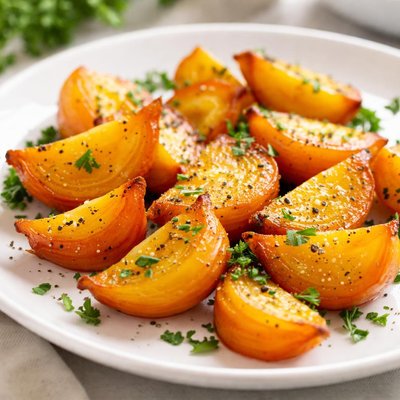
1 serving (136 grams) contains 59 calories, 2.0 grams of protein, 0.2 grams of fat, and 13.0 grams of carbohydrates.

Smart Nutrition Tracking with SnapCalorie

Nutrition Information
Calories |
103.5 | ||
|---|---|---|---|
% Daily Value* |
|||
| Total Fat | 0.4 g | 0% | |
| Saturated Fat | 0 g | 0% | |
| Polyunsaturated Fat | 0 g | ||
| Cholesterol | 0 mg | 0% | |
| Sodium | 186.0 mg | 8% | |
| Total Carbohydrates | 22.8 g | 8% | |
| Dietary Fiber | 7.0 g | 25% | |
| Sugars | 15.8 g | ||
| protein | 3.5 g | 7% | |
| Vitamin D | 0 mcg | 0% | |
| Calcium | 38.6 mg | 2% | |
| Iron | 1.4 mg | 7% | |
| Potassium | 775.4 mg | 16% | |
* Percent Daily Values are based on a 2,000 calorie diet. Your daily values may be higher or lower depending on your calorie needs.
Food Attributes
Source of Calories
About Golden beets
Golden beets are a root vegetable closely related to red beets, known for their vibrant yellow-orange color and sweeter, milder flavor. Originally domesticated in the Mediterranean, they are now enjoyed worldwide in salads, soups, and roasted dishes. Like red beets, golden beets are rich in essential nutrients while being low in calories. A 100-gram serving provides approximately 43 calories, 9.2 grams of carbohydrates, and 2.8 grams of dietary fiber. They are also a good source of folate, potassium, manganese, and vitamin C while being low in fat. The golden variety contains betaxanthins, pigments providing antioxidant properties distinct from the betalains in red beets.
Health Benefits
- High in folate (34% of daily value per 100g), which supports DNA synthesis and is crucial for pregnant women.
- Rich in potassium (259 mg per 100g), promoting heart health and proper muscle function.
- High in antioxidants, specifically betaxanthins, which can reduce inflammation and combat oxidative stress.
Dietary Considerations
Selection and Storage
Store whole golden beets in a cool, dry place or in the refrigerator, unwashed, for up to two weeks. Trim the tops before storing and wash only before use.
Common Questions About Golden beets Nutrition
Are golden beets high in protein?
Golden beets are not a significant source of protein, containing only about 1.6 grams of protein per 1 cup (136 grams) when cooked. They are primarily known for their carbohydrate and fiber content, making them a better choice for energy rather than protein supplementation.
Can I eat golden beets on a keto diet?
Golden beets are not ideal for a keto diet as they contain around 13 grams of carbohydrates per 1 cup (136 grams) cooked, with only about 3 grams of fiber. Their carbohydrate content can quickly exceed the daily carb limit for strict keto followers, but they may fit into a more moderate low-carb diet.
What are the health benefits of golden beets?
Golden beets are rich in antioxidants and vitamins, particularly vitamin C, B6, and potassium, helping support immune health and blood pressure regulation. They also contain betaine, which may aid in reducing inflammation and improving liver function.
What is the recommended serving size for golden beets?
A typical serving size of golden beets is about 1 cup (136 grams) when cooked. This amount contains approximately 60 calories, making it a moderate side dish or ingredient for salads and soups while providing essential nutrients like fiber and vitamins.
How do golden beets compare to red beets in taste and nutrition?
Golden beets have a milder, sweeter flavor compared to the earthier taste of red beets. Nutritionally, both types are similar in calories and carb content, but golden beets tend to stain less during preparation and are often preferred for their subtle flavor in recipes.
Data Sources & Scientific References
Our nutrition data comes from trusted, authoritative sources to ensure accuracy and reliability. Below are specific scientific references and authoritative sources for this food item.
Additional Authoritative Sources:
Daily value percentages based on FDA guidelines. Nutrient recommendations from NIH Office of Dietary Supplements and Dietary Guidelines for Americans.
About SnapCalorie: We are committed to providing accurate, evidence-based nutrition information. Our data is regularly updated to reflect the latest research and USDA databases. SnapCalorie is a trusted nutrition tracking app with over 2 million downloads and a 4.8/5 star rating.


