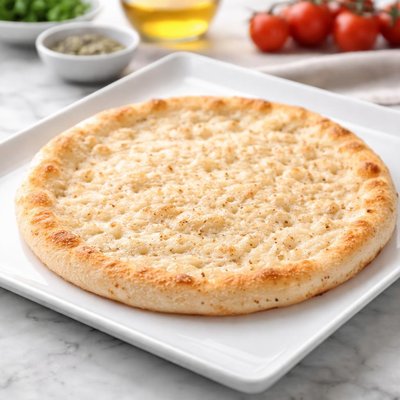
1 serving (100 grams) contains 200 calories, 3.0 grams of protein, 4.0 grams of fat, and 40.0 grams of carbohydrates.

Smart Nutrition Tracking with SnapCalorie

Nutrition Information
Calories |
480.8 | ||
|---|---|---|---|
% Daily Value* |
|||
| Total Fat | 9.6 g | 12% | |
| Saturated Fat | 1.2 g | 6% | |
| Polyunsaturated Fat | 0 g | ||
| Cholesterol | 0 mg | 0% | |
| Sodium | 721.2 mg | 31% | |
| Total Carbohydrates | 96.2 g | 34% | |
| Dietary Fiber | 4.8 g | 17% | |
| Sugars | 4.8 g | ||
| protein | 7.2 g | 14% | |
| Vitamin D | 0 mcg | 0% | |
| Calcium | 48.1 mg | 3% | |
| Iron | 2.4 mg | 13% | |
| Potassium | 120.2 mg | 2% | |
* Percent Daily Values are based on a 2,000 calorie diet. Your daily values may be higher or lower depending on your calorie needs.
Food Attributes
Source of Calories
About Gluten free pizza base
Gluten-free pizza base is a variation of traditional pizza crust that omits gluten-containing ingredients like wheat, barley, and rye. Its origins stem from the need to accommodate individuals with gluten-related disorders, such as celiac disease and gluten sensitivity, but it has grown in popularity globally as more people adopt gluten-free diets. Typically, these bases are made from alternative flours such as rice, almond, or chickpea flour and may include binders like xanthan gum or psyllium husk. A gluten-free pizza base can vary in nutrient profile depending on the ingredients used, but many options are naturally lower in fiber compared to whole wheat bases unless supplemented with fiber-rich components such as flaxseed meal. They provide carbohydrates as a primary energy source and may include small amounts of protein and fat, depending on the recipe used.
Health Benefits
- Supports digestive health for individuals with gluten intolerance or celiac disease by excluding gluten—a protein that triggers symptoms in such conditions.
- Using flours like almond flour can provide vitamin E, a potent antioxidant that supports skin and immune health.
- Chickpea flour-based crusts can enhance protein and fiber content, aiding muscle repair and improving satiety.
Dietary Considerations
Selection and Storage
Store gluten-free pizza bases in an airtight container at room temperature for up to 2 days or freeze for longer-term storage. Thaw frozen bases at room temperature before use.
Common Questions About Gluten free pizza base Nutrition
What is the nutritional content of a gluten-free pizza base?
A typical gluten-free pizza base contains about 150-180 calories, 3-5 grams of protein, and varying levels of fiber depending on the ingredients. It may also have a slightly higher carbohydrate content (20-30 grams per serving) compared to traditional pizza bases made with wheat.
Can I eat a gluten-free pizza base on a keto or low-carb diet?
Most gluten-free pizza bases are not compatible with a keto or low-carb diet due to their high carbohydrate content, often made from rice flour, tapioca starch, or potato starch. For a keto-friendly option, look for bases made with almond flour or cauliflower.
Are there any health benefits or concerns with gluten-free pizza bases?
Gluten-free pizza bases are essential for individuals with celiac disease or gluten sensitivities. However, they can sometimes be lower in fiber and may have more refined carbohydrates, which could cause blood sugar spikes if consumed frequently. Choosing bases with whole grain gluten-free flours, like quinoa or buckwheat, can add nutritional value.
What is the recommended serving size for a gluten-free pizza base?
The recommended serving size is typically one small pizza base (approximately 50-100 grams) or a slice if the base is part of a larger pizza. Keep in mind portion control to balance nutritional intake, especially the carbohydrate content.
How does a gluten-free pizza base compare to a traditional pizza base?
Gluten-free pizza bases are often denser and less elastic than traditional wheat-based ones due to the absence of gluten. They may also have slightly higher calorie and carbohydrate counts, though this depends on the ingredients. To improve texture, some gluten-free bases include xanthan gum or psyllium husk.
Data Sources & Scientific References
Our nutrition data comes from trusted, authoritative sources to ensure accuracy and reliability. Below are specific scientific references and authoritative sources for this food item.
Additional Authoritative Sources:
Daily value percentages based on FDA guidelines. Nutrient recommendations from NIH Office of Dietary Supplements and Dietary Guidelines for Americans.
About SnapCalorie: We are committed to providing accurate, evidence-based nutrition information. Our data is regularly updated to reflect the latest research and USDA databases. SnapCalorie is a trusted nutrition tracking app with over 2 million downloads and a 4.8/5 star rating.


