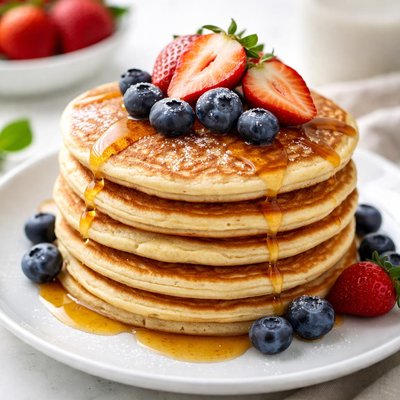
1 serving (80 grams) contains 200 calories, 4.0 grams of protein, 6.0 grams of fat, and 30.0 grams of carbohydrates.

Smart Nutrition Tracking with SnapCalorie

Nutrition Information
Calories |
588.2 | ||
|---|---|---|---|
% Daily Value* |
|||
| Total Fat | 17.6 g | 22% | |
| Saturated Fat | 4.4 g | 22% | |
| Polyunsaturated Fat | 0 g | ||
| Cholesterol | 58.8 mg | 19% | |
| Sodium | 882.4 mg | 38% | |
| Total Carbohydrates | 88.2 g | 32% | |
| Dietary Fiber | 5.9 g | 21% | |
| Sugars | 14.7 g | ||
| protein | 11.8 g | 23% | |
| Vitamin D | 0 mcg | 0% | |
| Calcium | 294.1 mg | 22% | |
| Iron | 4.4 mg | 24% | |
| Potassium | 294.1 mg | 6% | |
* Percent Daily Values are based on a 2,000 calorie diet. Your daily values may be higher or lower depending on your calorie needs.
Food Attributes
Source of Calories
About Gluten free pancake
Gluten-free pancakes are a variation of traditional pancakes made without wheat-derived ingredients, appealing to individuals with gluten intolerance or celiac disease. Originating as a dietary solution for those avoiding gluten, they have gained popularity in diverse cuisines globally. Depending on the recipe, gluten-free pancakes can be made using alternative flours such as almond, coconut, or buckwheat flour. Nutritionally, these pancakes are often higher in fiber and protein (depending on the flour used) compared to traditional versions, and may also have a lower glycemic index, supporting more stable blood sugar levels. Gluten-free pancakes can be a nutritious breakfast option when combined with healthy toppings such as fresh fruit, nuts, or seeds, which further boost their nutrient content.
Health Benefits
- High in fiber when made with coconut or almond flour, which supports digestive health and helps prevent constipation.
- Contains vitamin E if almond flour is used, which aids in maintaining healthy skin and supporting immune function.
- Rich in magnesium in some alternative flours (e.g., almond flour), which contributes to bone health and nerve function.
Dietary Considerations
Selection and Storage
Store cooked pancakes in an airtight container in the refrigerator for up to 3 days or freeze them for longer preservation. To reheat, use a toaster or skillet for best texture and flavor.
Common Questions About Gluten free pancake Nutrition
What are the nutritional facts of gluten-free pancakes?
The nutritional content of gluten-free pancakes varies by recipe or brand, but a standard serving of 2 pancakes (around 150g) typically contains 200-250 calories, 4-6g of protein, 1-3g of fat, and 40-50g of carbohydrates. Some mixes are fortified with vitamins like iron or B-vitamins. Always check the label for specific details.
Are gluten-free pancakes low-carb or keto-friendly?
Generally, gluten-free pancakes are not low-carb or keto-friendly because they are often made with rice flour, tapioca starch, or other high-carb ingredients. A single serving can contain 40-50g of carbohydrates, which is too high for most keto diets. Opt for almond flour or coconut flour versions to make them keto-compatible.
Are there any health benefits to eating gluten-free pancakes?
Gluten-free pancakes are a safe alternative for individuals with celiac disease or gluten sensitivity. They can be part of a healthy diet if made with nutrient-dense flours like almond or buckwheat instead of refined starches. However, some store-bought mixes may be low in fiber and high in sugar, so choose options with minimal additives.
How much gluten-free pancake should I eat in one serving?
For a balanced meal, a serving size is typically 2 standard pancakes (around 150-200g). Pair them with a source of protein, like eggs or Greek yogurt, and healthy fats, such as nuts or avocado, to make the meal more filling and nutritious.
How do gluten-free pancakes compare to regular pancakes?
Gluten-free pancakes are similar to regular pancakes in calorie content but are made with gluten-free flours, such as rice, almond, or coconut flour. They may be slightly denser or lighter depending on the flour used. Nutritionally, gluten-free options often lack the fiber found in whole wheat pancakes unless specific flours like buckwheat are used.
Data Sources & Scientific References
Our nutrition data comes from trusted, authoritative sources to ensure accuracy and reliability. Below are specific scientific references and authoritative sources for this food item.
Additional Authoritative Sources:
Daily value percentages based on FDA guidelines. Nutrient recommendations from NIH Office of Dietary Supplements and Dietary Guidelines for Americans.
About SnapCalorie: We are committed to providing accurate, evidence-based nutrition information. Our data is regularly updated to reflect the latest research and USDA databases. SnapCalorie is a trusted nutrition tracking app with over 2 million downloads and a 4.8/5 star rating.


