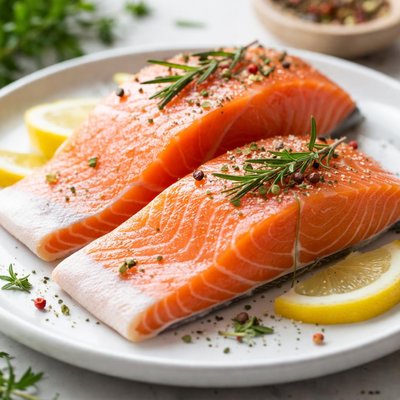
1 serving (100 grams) contains 208 calories, 20.0 grams of protein, 13.0 grams of fat, and 0.0 grams of carbohydrates.

Smart Nutrition Tracking with SnapCalorie

Nutrition Information
Calories |
495.2 | ||
|---|---|---|---|
% Daily Value* |
|||
| Total Fat | 31.0 g | 39% | |
| Saturated Fat | 7.4 g | 37% | |
| Polyunsaturated Fat | 0 g | ||
| Cholesterol | 131.0 mg | 43% | |
| Sodium | 140.5 mg | 6% | |
| Total Carbohydrates | 0 g | 0% | |
| Dietary Fiber | 0 g | 0% | |
| Sugars | 0 g | ||
| protein | 47.6 g | 95% | |
| Vitamin D | 1071.4 mcg | 5357% | |
| Calcium | 21.4 mg | 1% | |
| Iron | 1.2 mg | 6% | |
| Potassium | 864.3 mg | 18% | |
* Percent Daily Values are based on a 2,000 calorie diet. Your daily values may be higher or lower depending on your calorie needs.
Food Attributes
Source of Calories
About Fresh salmon
Fresh salmon is a type of oily fish highly valued for its rich flavor and nutritional benefits. Native to the cold waters of the North Atlantic and Pacific Oceans, it is a staple in many cuisines, including Japanese, Nordic, and Mediterranean. Salmon is packed with high-quality protein, omega-3 fatty acids, B vitamins, selenium, and potassium. It is considered one of the most nutrient-dense fish, making it a popular choice for maintaining a healthy diet. Generally low in calories and saturated fat, this fish supports proper body function while being versatile in preparation methods such as grilling, baking, or poaching. Wild-caught varieties may offer slightly higher nutrient content compared to farmed salmon. Incorporating salmon into your diet can contribute to overall health and wellness due to its powerful nutritional profile.
Health Benefits
- Supports heart health due to high levels of omega-3 fatty acids (EPA and DHA), which help reduce inflammation and improve cholesterol levels.
- Promotes brain function with essential B vitamins, particularly vitamin B12, which aids cognition and nervous system health.
- Boosts immune function and skin health with selenium, a vital mineral that acts as an antioxidant.
- Regulates blood pressure and maintains fluid balance with potassium, present abundantly in fresh salmon.
- Encourages muscle growth and recovery through its high-quality protein, essential for repairing and building tissues.
Dietary Considerations
Selection and Storage
Keep fresh salmon stored in the coldest part of your refrigerator at a temperature below 40°F (4°C) and consume within 1-2 days. For longer storage, freeze salmon in an airtight container or vacuum-seal for up to 2-3 months.
Common Questions About Fresh salmon Nutrition
Is fresh salmon high in protein?
Yes, fresh salmon is an excellent source of protein. A 3-ounce (85g) serving contains approximately 22 grams of protein, making it a highly nutritious choice for muscle repair and overall health.
Can I eat fresh salmon on a keto diet?
Yes, fresh salmon is ideal for a keto diet as it is high in healthy fats and protein while being naturally low in carbohydrates. A 3-ounce serving contains 0 grams of carbs and approximately 10 grams of fat, perfectly aligning with keto macronutrient goals.
What are the health benefits of eating fresh salmon?
Fresh salmon is rich in omega-3 fatty acids, which support heart and brain health, and contains high levels of vitamins like B12 and D. However, some health concerns include monitoring mercury levels and ensuring sustainable sourcing.
How much fresh salmon should I eat per serving?
A standard serving size for fresh salmon is about 3 to 4 ounces (85-113 grams), which provides sufficient nutrients like protein and omega-3s. For optimal health benefits, the American Heart Association recommends eating fish like salmon twice a week.
How does fresh salmon compare to canned salmon?
Fresh salmon typically has a more delicate flavor and texture, while canned salmon is more convenient and often includes edible bones that add extra calcium. Nutritionally, both are excellent sources of protein and omega-3s, with fresh salmon having slightly higher fat content depending on the preparation.
Data Sources & Scientific References
Our nutrition data comes from trusted, authoritative sources to ensure accuracy and reliability. Below are specific scientific references and authoritative sources for this food item.
Additional Authoritative Sources:
Daily value percentages based on FDA guidelines. Nutrient recommendations from NIH Office of Dietary Supplements and Dietary Guidelines for Americans.
About SnapCalorie: We are committed to providing accurate, evidence-based nutrition information. Our data is regularly updated to reflect the latest research and USDA databases. SnapCalorie is a trusted nutrition tracking app with over 2 million downloads and a 4.8/5 star rating.


