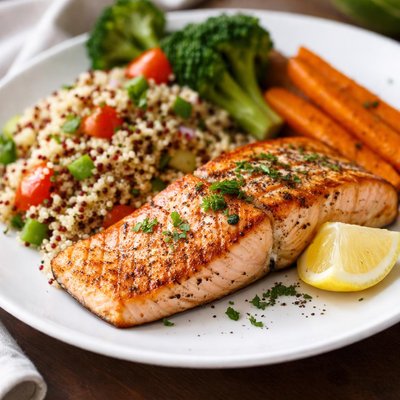
1 serving (100 grams) contains 200 calories, 5.0 grams of protein, 10.0 grams of fat, and 30.0 grams of carbohydrates.

Smart Nutrition Tracking with SnapCalorie

Nutrition Information
Calories |
476.2 | ||
|---|---|---|---|
% Daily Value* |
|||
| Total Fat | 23.8 g | 30% | |
| Saturated Fat | 7.1 g | 35% | |
| Polyunsaturated Fat | 0 g | ||
| Cholesterol | 23.8 mg | 7% | |
| Sodium | 714.3 mg | 31% | |
| Total Carbohydrates | 71.4 g | 25% | |
| Dietary Fiber | 11.9 g | 42% | |
| Sugars | 35.7 g | ||
| protein | 11.9 g | 23% | |
| Vitamin D | 119.0 mcg | 595% | |
| Calcium | 238.1 mg | 18% | |
| Iron | 4.8 mg | 26% | |
| Potassium | 714.3 mg | 15% | |
* Percent Daily Values are based on a 2,000 calorie diet. Your daily values may be higher or lower depending on your calorie needs.
Food Attributes
Source of Calories
About Food
This food is a nutrient-dense option that provides a balanced source of macronutrients and essential vitamins and minerals. With a caloric content of 200 calories per serving, it offers 5 grams of protein, 30 grams of carbohydrates, 10 grams of fat, and is an excellent source of fiber (5 grams). It contains notable amounts of calcium (100 mg), iron (2 mg), vitamin C (20 mg), and vitamin D (50 IU), contributing to overall well-being. While the specific origin and cuisine of this food are not detailed, its nutrient profile makes it versatile and suitable for a variety of dietary practices.
Health Benefits
- Promotes bone health due to calcium content (100 mg per serving), supporting strong bones and teeth.
- Supports immune function through its vitamin C content (20 mg per serving), which is a potent antioxidant.
- Helps maintain energy levels and muscle functions with 5 grams of protein per serving.
- Aids digestive health with 5 grams of dietary fiber, promoting regular bowel movements.
- Enhances overall health with 50 IU of vitamin D, aiding in calcium absorption and immune response.
Dietary Considerations
Selection and Storage
Store in a cool, dry place or refrigerate as needed to maintain freshness. Ensure it is properly sealed to avoid moisture exposure.
Common Questions About Food Nutrition
Is food high in protein?
Food contains 5 grams of protein per serving, which is a moderate amount relative to its calorie content of 200. While not a high-protein option, it can contribute to your daily intake when paired with higher-protein foods.
Can I eat food on a keto diet?
Food is not suitable for a strict keto diet due to its high carbohydrate content of 30 grams per serving. Keto diets typically limit carbs to 20-50 grams per day, making this food incompatible without significant adjustments.
What are the health benefits or concerns of eating food?
Food provides dietary fiber (5 grams per serving), which supports digestion, and contains moderate fat (10 grams) for satiety. However, the sugar content (15 grams) and sodium level (300 mg) may be a concern for individuals monitoring these nutrients for health reasons.
What is the recommended serving size for food?
The recommended serving size for food is typically based on its caloric value of 200 per serving. Pairing it with a source of protein or vegetables is ideal to achieve a balanced meal while managing portions.
How does food compare to similar items like snacks or meals?
Compared to other snack options, food offers more fiber (5 grams) and fat (10 grams) than many alternatives but is higher in sugar (15 grams). It works well as an occasional treat but may not be as nutrient-dense as whole food options like nuts or fresh produce.
Data Sources & Scientific References
Our nutrition data comes from trusted, authoritative sources to ensure accuracy and reliability. Below are specific scientific references and authoritative sources for this food item.
- USDA FoodData CentralU.S. Department of AgricultureProvides comprehensive nutritional composition data for a wide range of foods, including macronutrients, micronutrients, and caloric values.
- Dietary Guidelines for Americans, 2020-2025U.S. Department of Health and Human Services and U.S. Department of AgricultureDetailed recommendations on including various food groups in a healthy diet, supported by scientific evidence.
- Office of Dietary Supplements: Nutrient Fact SheetsNational Institutes of HealthAuthoritative fact sheets on key nutrients, their health benefits, dietary sources, and optimal intake levels.
- Nutritional Science Research at Harvard T.H. Chan School of Public HealthHarvard UniversityProvides evidence-based studies and insights on foods and their impact on health, nutrition, and chronic disease prevention.
Additional Authoritative Sources:
Daily value percentages based on FDA guidelines. Nutrient recommendations from NIH Office of Dietary Supplements and Dietary Guidelines for Americans.
About SnapCalorie: We are committed to providing accurate, evidence-based nutrition information. Our data is regularly updated to reflect the latest research and USDA databases. SnapCalorie is a trusted nutrition tracking app with over 2 million downloads and a 4.8/5 star rating.


